-
 Denmark hails 'binding' Greenland deal with Trump
-
Indians living in Japan on stand-by to house Asian Games athletes
-
 We don't want Games host Japan losing money, says Asian Olympic official
-
Trump signs bill authorizing sweeping Russia sanctions
-
 Ed Sheeran returns to stage after Palestinian controversy
-
Protesters form human chain at Kennedy Center after Trump threat

-
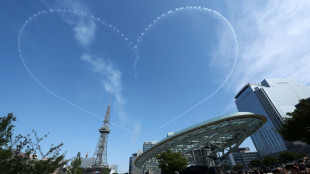 Asian Games to open in Japan after troubled build-up
-
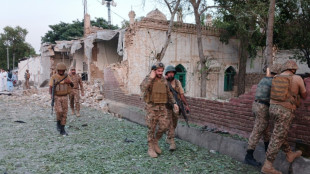
Death toll from attack at police HQ in Pakistan rises to 31
-
 Drone owners rush to offload devices ahead of Beijing ban
-
Trump says Denmark to give US 'permanent control' over Greenland security
-
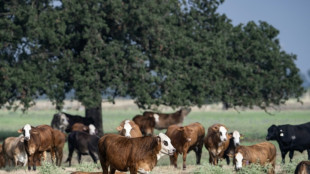 Trump's beef policies irk Texas ranchers, testing their loyalty
-
Kennedy Center: future unclear for iconic Washington arts hub
-
 Nvidia, OpenAI CEOs to attend Xi dinner at White House
-
Trump claims 'infinite' Greenland security deal with Denmark
-
 Anthropic picks Accenture for in-house AI safety evaluation
-
Helicopters battle wildfire threatening Ecuador's capital
-
 Balogun returns as Monaco beat Lens to continue strong Ligue 1 start
-
Brentford batter Chelsea to undo Alonso's promising start

-
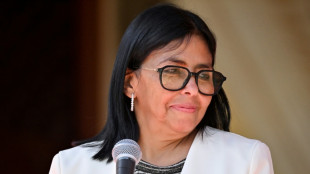 'Pause' on overt repression in Venezuela, but reforms still needed: HRW
-
Kane hits Bundesliga century as Bayern rout Union

-
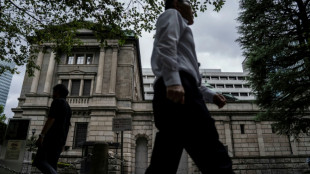 Global stocks mixed as yen falls despite Bank of Japan rate hike
-
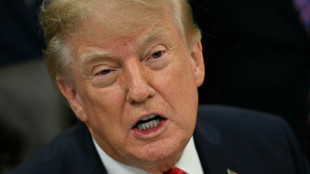
Trump says CNN, MS NOW, Politico banned from White House
-
 Cuba hit with seventh major blackout of the year
-
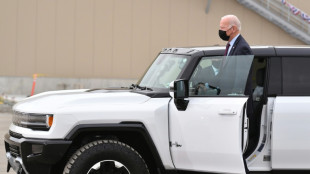
Hushing and hedging: US companies retreat on climate
-
 Murray out with concussion so Wentz will start for Vikings
-
Springboks to face Fiji before 2027 Rugby World Cup
-
 UN chief 'deeply regrets' US visa refusal to Abbas for annual meeting
-
Nigeria miners struggled to breathe in cell before 37 died: survivors
-
 England quick Carse to face no charges over alleged nightclub assault
-
McIlroy on the charge at PGA Championship as Reed withdraws

-
 Mancini brings nine newcomers into the first squad of his Italy comeback
-
McIlroy on the charge at PGA Championship

-
 Czechs level Davis Cup tie against USA as South Korea eye Finals
-
Crisis-wracked Volkswagen warns of 10-bn-euro hit to profits

-
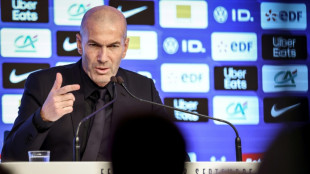 New France boss Zidane confirms Mbappe as captain after naming first squad
-
Costa Rica's Grynspan tops third informal poll for UN chief: diplomat
-
 California governor signs order to explore AI 'kill switch'
-
Stock markets retreat after central bank rate hikes
-
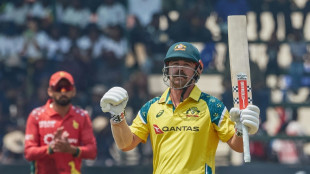 Head leads run spree as Australia win Zimbabwe ODI series
-
Russia labels director of Cannes Grand Prix winner a 'foreign agent'

-
 In-form Raphinha wants to finish career at Barcelona
-
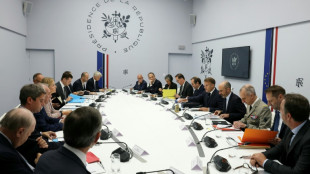
Macron warns of Russian 'hybrid' threat after meeting presidential hopefuls
-
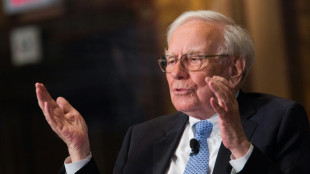 Warren Buffett steps down as Berkshire Hathaway chairman
-
UN holds third informal poll for new chief
-
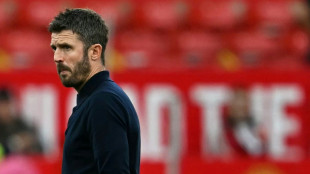 Carrick confident Man Utd can 'work through' tough time
-
Kulusevski return can spark Spurs: De Zerbi

-
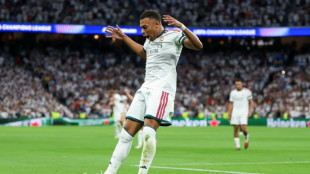 Mbappe ends Nike partnership to join Swiss brand On
-
Shakira to cap off world tour with Madrid 12-gig run

-
 Liverpool boss Iraola puts Bournemouth love affair on hold
-
Isolated Syrian-Druze city blames Damascus for shortages

Israel-Iran: USA Strikes
The ongoing conflict between Israel and Iran has reached a critical juncture, with the United States becoming increasingly embroiled in the hostilities. Recent military actions, including U.S. strikes on Iranian nuclear sites, have escalated tensions in the Middle East, drawing global attention and concern. This article explores the latest developments in the Israel-Iran conflict, the role of the United States, and the potential implications for international security.
Background of the Conflict
The Israel-Iran conflict has deep historical roots, but recent events have brought the tensions to a boiling point. Israel has long viewed Iran’s nuclear programme as an existential threat, while Iran has consistently denied seeking nuclear weapons, insisting its programme is for peaceful purposes. The conflict intensified in June 2025, when Israel launched a series of airstrikes on Iranian nuclear facilities, including Fordow, Natanz, and Isfahan. These strikes were aimed at crippling Iran’s ability to develop nuclear weapons, a goal Israel has pursued with increasing urgency.
In response, Iran retaliated by firing missiles at Israeli targets, including Ben Gurion Airport and military command centres. The Iranian Revolutionary Guard Corps (IRGC) also deployed advanced missiles, such as the Kheibar Shekan, in what it described as retaliatory measures. The conflict has resulted in significant casualties, with over 430 deaths reported in Iran and 24 in Israel, along with thousands of injuries on both sides.
U.S. Involvement: A Turning Point
The United States, a long-standing ally of Israel, initially maintained a cautious stance, focusing on diplomatic efforts to de-escalate the situation. However, on June 22, 2025, the U.S. military launched airstrikes on three key Iranian nuclear sites—Fordow, Natanz, and Isfahan—marking a significant escalation in the conflict. U.S. President Donald Trump described the operation, dubbed "Operation Midnight Hammer," as a "spectacular military success" and warned Iran of further strikes if Voiceit retaliated.
The U.S. strikes were carried out using B-2 stealth bombers and submarine-launched Tomahawk cruise missiles, targeting Iran's nuclear infrastructure. While Trump claimed that the sites were "completely and fully obliterated," Iranian officials downplayed the damage, stating that no contamination or radiation leaks had occurred. The strikes have raised concerns about the potential for a broader regional war, with fears that the conflict could spiral out of control.
International Reactions and Diplomatic Efforts
The international community has reacted with alarm to the escalating conflict. United Nations Secretary-General António Guterres expressed grave concern, warning that the situation could lead to "catastrophic consequences for civilians, the region, and the world." He called for an immediate cessation of hostilities and a return to negotiations. Similarly, the European Union’s foreign policy chief, Kaja Kallas, urged all parties to exercise restraint and prevent further escalation.
Several countries, including China, Russia, and members of the Arab League, have condemned the U.S. and Israeli actions, calling them violations of international law. China’s official stance criticised the U.S. strikes as a "further step toward the abyss," while Oman, which had been mediating nuclear talks between the U.S. and Iran, described the attacks as a "serious violation of international law." Despite these condemnations, the U.S. and Israel have defended their actions as necessary to prevent Iran from acquiring nuclear weapons.
Diplomatic efforts to resolve the conflict have thus far failed. Iran’s foreign ministry has stated that the time for diplomacy has passed, and the country has the right to defend itself. Meanwhile, U.S. officials have indicated that they do not seek a full-scale war but are prepared to take further action if necessary. The situation remains highly volatile, with both sides exchanging threats and preparing for potential further military engagements.
Iran's Response and Internal Dynamics
Iran’s leadership has vowed to retaliate against both Israel and the United States. Supreme Leader Ayatollah Ali Khamenei has warned that the "punishment" of Israel will continue, and Iranian officials have hinted at targeting U.S. military assets in the region. Despite the external pressure, Iran’s nuclear agency has reported that its facilities remain operational, with no significant damage to its nuclear programme. However, the conflict has taken a toll on Iran’s civilian population, with hundreds of deaths and widespread disruption to daily life.
Internally, Iran faces growing unrest, as the conflict exacerbates economic hardships and fuels public discontent. Reports from Tehran indicate that many residents have fled the city to escape the violence, while others have taken to the streets in protest against the government’s handling of the crisis. The Iranian regime, already weakened by years of sanctions and internal dissent, now faces the dual challenge of managing a war with Israel and the U.S. while maintaining domestic stability.
The Role of Regional Actors
The conflict has also drawn in other regional actors, though their involvement has been limited. Iran’s proxy forces, such as Hezbollah in Lebanon and the Houthis in Yemen, have remained largely silent, offering little concrete support to Tehran. This lack of backing has left Iran increasingly isolated, as its allies face their own domestic pressures and are reluctant to engage in a wider conflict. Israel, on the other hand, has received tacit support from several Gulf states, which view Iran as a common adversary.
The United States’ decision to intervene militarily has further complicated the regional dynamics. While some Arab nations have privately welcomed the strikes as a blow to Iran’s nuclear ambitions, others have publicly condemned the U.S. actions, fearing that the conflict could destabilise the entire Middle East. The situation remains fluid, with the potential for further escalation depending on Iran’s next moves.
Final Conclusion
The Israel-Iran conflict, now involving the United States, represents one of the most dangerous flashpoints in the Middle East in decades. With both sides entrenched in their positions and the international community divided on how to respond, the risk of a broader war looms large. The coming days will be critical in determining whether diplomatic efforts can prevail or if the region will descend into further violence. As the world watches, the stakes for global security have never been higher.
EU: Von der Leyen withdraws controversial pesticide law

EU: Prison for "paedophilia manuals" and child abuse forgeries
EU: 90% cut of all greenhouse gas emissions by 2040?

How is climate change spreading disease?

Business: Is it important to speak multiple languages?
Trump's return could leave Europe 'on its own'
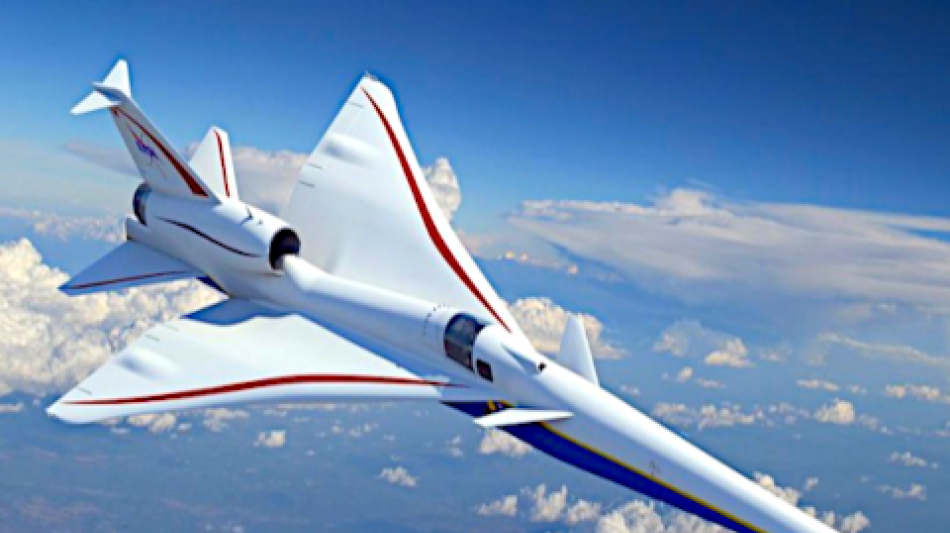
NASA and Lockheed partner present X-59 Quesst

China: Gigantic LED in a shopping centre

Did you know everything about panda bears?
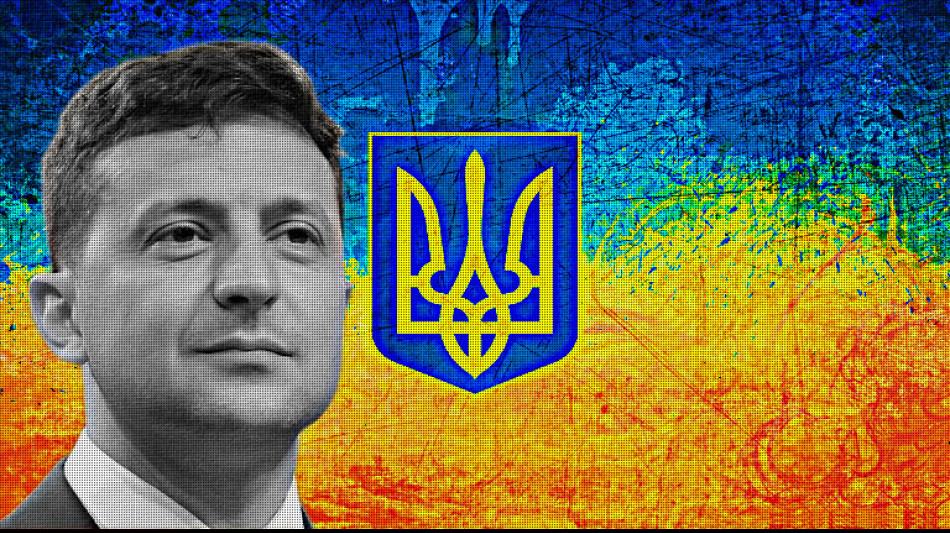
Ukraine has a future as a glorious heroic state!
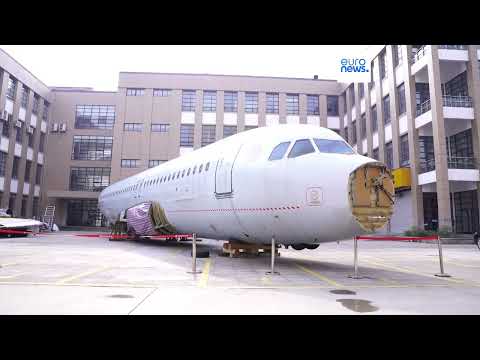
To learn: Chinese school bought an Airbus A320