
-
 Denmark hails 'binding' Greenland deal with Trump
-
Indians living in Japan on stand-by to house Asian Games athletes
-
 We don't want Games host Japan losing money, says Asian Olympic official
-
Trump signs bill authorizing sweeping Russia sanctions
-
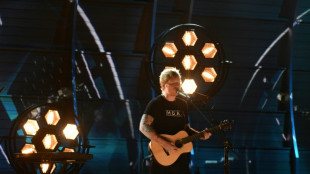 Ed Sheeran returns to stage after Palestinian controversy
-
Protesters form human chain at Kennedy Center after Trump threat

-
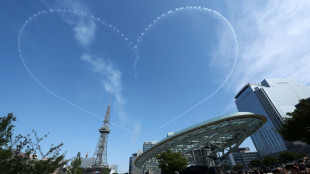 Asian Games to open in Japan after troubled build-up
-
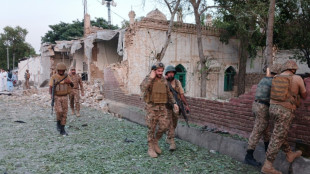
Death toll from attack at police HQ in Pakistan rises to 31
-
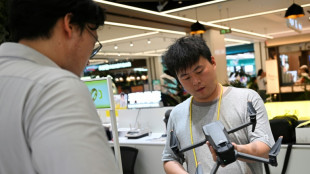 Drone owners rush to offload devices ahead of Beijing ban
-
Trump says Denmark to give US 'permanent control' over Greenland security
-
 Trump's beef policies irk Texas ranchers, testing their loyalty
-
Kennedy Center: future unclear for iconic Washington arts hub

-
 Nvidia, OpenAI CEOs to attend Xi dinner at White House
-
Trump claims 'infinite' Greenland security deal with Denmark
-
 Anthropic picks Accenture for in-house AI safety evaluation
-
Helicopters battle wildfire threatening Ecuador's capital
-
 Balogun returns as Monaco beat Lens to continue strong Ligue 1 start
-
Brentford batter Chelsea to undo Alonso's promising start

-
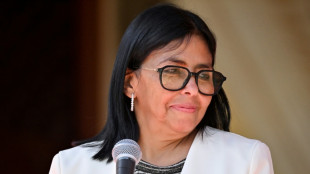 'Pause' on overt repression in Venezuela, but reforms still needed: HRW
-
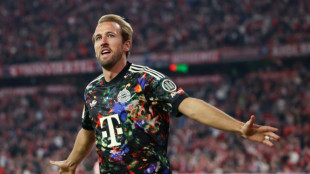
Kane hits Bundesliga century as Bayern rout Union
-
 Global stocks mixed as yen falls despite Bank of Japan rate hike
-
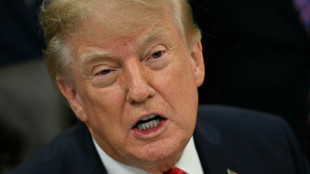
Trump says CNN, MS NOW, Politico banned from White House
-
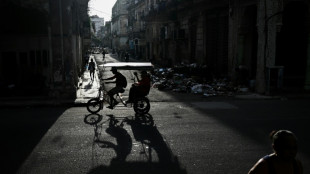 Cuba hit with seventh major blackout of the year
-
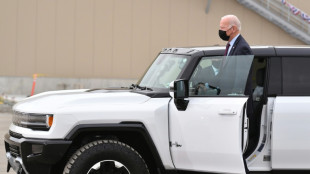
Hushing and hedging: US companies retreat on climate
-
 Murray out with concussion so Wentz will start for Vikings
-
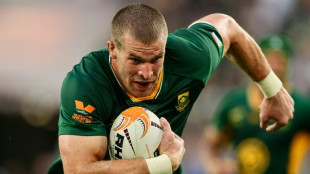
Springboks to face Fiji before 2027 Rugby World Cup
-
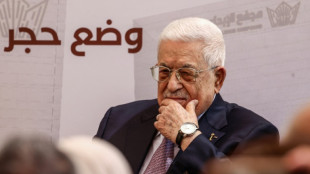 UN chief 'deeply regrets' US visa refusal to Abbas for annual meeting
-
Nigeria miners struggled to breathe in cell before 37 died: survivors
-
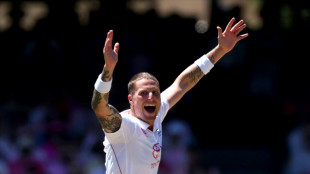 England quick Carse to face no charges over alleged nightclub assault
-
McIlroy on the charge at PGA Championship as Reed withdraws

-
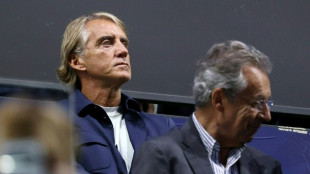 Mancini brings nine newcomers into the first squad of his Italy comeback
-
McIlroy on the charge at PGA Championship

-
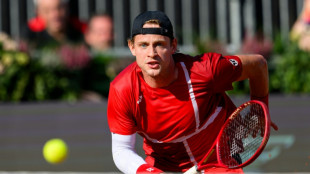 Czechs level Davis Cup tie against USA as South Korea eye Finals
-
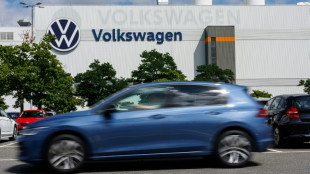
Crisis-wracked Volkswagen warns of 10-bn-euro hit to profits
-
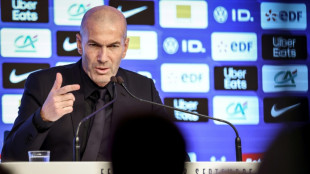 New France boss Zidane confirms Mbappe as captain after naming first squad
-
Costa Rica's Grynspan tops third informal poll for UN chief: diplomat
-
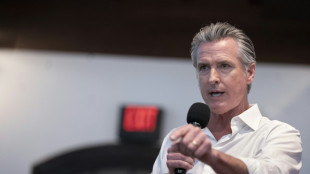 California governor signs order to explore AI 'kill switch'
-
Stock markets retreat after central bank rate hikes
-
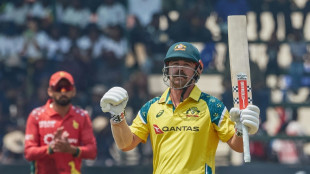 Head leads run spree as Australia win Zimbabwe ODI series
-
Russia labels director of Cannes Grand Prix winner a 'foreign agent'

-
 In-form Raphinha wants to finish career at Barcelona
-
Macron warns of Russian 'hybrid' threat after meeting presidential hopefuls
-
 Warren Buffett steps down as Berkshire Hathaway chairman
-
UN holds third informal poll for new chief
-
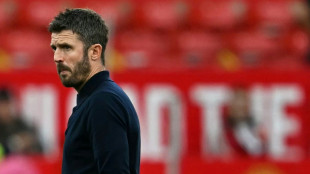 Carrick confident Man Utd can 'work through' tough time
-
Kulusevski return can spark Spurs: De Zerbi

-
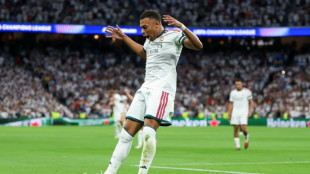 Mbappe ends Nike partnership to join Swiss brand On
-
Shakira to cap off world tour with Madrid 12-gig run

-
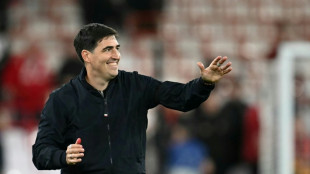 Liverpool boss Iraola puts Bournemouth love affair on hold
-
Isolated Syrian-Druze city blames Damascus for shortages
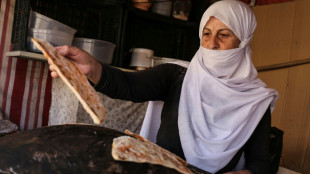
Orban and Putin's Shadow Deal
Hungarian Prime Minister Viktor Orban has long been a polarizing figure in the European Union, often clashing with Brussels over his nationalist stance and cozy relationships with authoritarian leaders. Among these, his bond with Russian President Vladimir Putin has sparked widespread unease. Their partnership, marked by secretive agreements and high-profile meetings, has cast a shadow over Hungary’s role in Europe, raising questions about its loyalty to EU principles and its implications for regional stability.
Central to this controversy are energy agreements that tie Hungary closely to Russia. Despite EU efforts to wean itself off Russian energy amid the Ukraine war, Hungary has doubled down on its dependence. In 2022, Orban locked in a long-term gas deal with Moscow, securing favorable rates for Hungary. This move has been a boon for the country’s economy but has drawn ire for propping up Russia’s finances under global sanctions and weakening Europe’s united front.
The collaboration extends beyond gas. Hungary has tapped Russia’s Rosatom to upgrade its Paks nuclear facility, a multi-billion-euro project funded largely by a Russian loan. Details of the deal remain murky, with allegations of corruption swirling around it. Observers worry that this not only deepens Hungary’s debt to Russia but also hands Putin a foothold in critical European infrastructure.
Diplomatically, Orban has stirred the pot further. In July 2024, he made an unexpected trip to Moscow to meet Putin, touting “peace talks” for Ukraine just as Hungary took the EU Council presidency. EU leaders slammed the visit, insisting Orban had no authority to speak for the bloc. Days earlier, he’d pitched a ceasefire to Ukraine’s Volodymyr Zelenskyy in Kyiv—a suggestion Kyiv dismissed as a win for Russia. Orban framed these moves as a “peace mission,” but many see them as a bid to bolster ties with Putin while playing both sides.
The Orban-Putin alliance isn’t just pragmatic—it’s rooted in shared ideology. Both leaders champion “traditional values” and reject liberal democracy, with Orban openly admiring Putin’s strongman tactics. This kinship has seen Hungary obstruct EU sanctions on Russia and stall aid to Ukraine, frustrating allies and amplifying divisions within the bloc.
The fallout is significant. Orban’s actions strain Hungary’s standing in the EU and NATO, casting doubt on its commitment to collective goals. They also signal to other populist figures that defying the EU for national gain is viable. As Europe navigates Russia’s aggression, the Orban-Putin pact remains a flashpoint, its full consequences still unfolding.

Brexit's broken promises
Iran's collapse fuels Revolt
Iran unrest and US threats
Venezuela’s economic roadmap
Cuba’s bleak oil crisis
Trump's hesitation in Iran
Greenland Deal – and now?
Trump's attack on the Dollar

Cuba Strangled by US Pressure

Power at the Heart of Iran
Argentina reshapes oil



