-
 Brighton defeat a 'big lesson' against complacency for Arsenal, says Arteta
-
سيول تجدد تأكيد لواشنطن عزمها المساهمة في استعادة حرية الملاحة بمضيق هرمز

-
 تقرير حول مجلس الأمن يدين «بأشد العبارات» هجمات الحوثيين المستمرة على المملكة ويؤكد حقها الأصيل في الدفاع عن النفس
-
England thrash Sri Lanka again to return to top of T20 rankings

-
 Thousands protest inaction over climate crisis in Switzerland
-
ملياردير روسي موّل جانباً من زفاف نجل ترمب... والرئيس الأميركي يجدد تأكيد سداد الأموال

-
 Arsenal thrashed by Brighton, sorry Spurs lose again
-
تقرير حول سوريا: توقيف ضباط سابقين يُشتبه بمسؤوليتهم عن غارات جوية خلال عهد الأسد

-
 Carapaz out of cycling world championships
-
ملف خادم الحرمين يوجه بناءً على ما رفعه ولي العهد بإطلاق اسم الأمير مساعد بن عبدالرحمن على الجامعة السعودية الإلكترونية

-
 تقرير حول سيول: تصريح الرئيس حول عدم التدخل في الحرب ليس رفضاً لطلب ترمب بشأن هرمز
-
South Korea, Austria qualify for Davis Cup finals

-
 مشهد سمير سرياني لـ«الشرق الأوسط»: أحضّر لفيلم لبناني اجتماعي يتناول همومنا بقالب كوميدي
-
'Fragile' Tottenham beaten by Aston Villa despite late rally

-
 Seare shocks Ingebrigtsen to win world 5km gold
-
Mourinho hails Real Madrid grit before Atletico derby clash

-
 ملف البنيان: تسمية الجامعة السعودية الإلكترونية باسم «الأمير مساعد بن عبدالرحمن» تُجسّد عناية القيادة بالتعليم وتكريم رجالات الدولة
-
Brigitte Bardot widower slams sale of star's belongings

-
 Martin wins Austrian MotoGP sprint after Acosta crash
-
Aston Villa compound Tottenham's misery despite late rally

-
 Japan edge Fiji to win Pacific Nations Cup
-
حصيلة من يملك جسد اللاعب ورسائله؟ قميص سبتة يتحول إلى نقاش أكبر من السياسة

-
 تقرير حول وصول حرب أوكرانيا إلى القطب الشمالي ينذر بتصاعد التوتر بين القوى النووية
-
Asian Games offer 'deepest apologies' for South Korea anthem blunder

-
 Black smoke, flames rising near Riyadh airport: residents to AFP
-
تطورات "سي أن أن": تقرير بالذكاء الاصطناعي كاد يشعل حرباً بين أميركا والصين

-
 قراءة في مجلس شباب «موانئ دبي العالمية» يناقش دور الخبرات والأفكار في تحسين العمليات
-
Inter Milan and Italy icon Mazzola dies aged 83

-
 تقرير حول وفد باكستاني إلى إيران قريباً لكسر جمود المفاوضات واحتواء التوتر في اليمن
-
UK actor Naomi Watts honoured at Spain film festival

-
 قراءة في 1000 تاجر جزائري فقط يعتمدون الدفع الإلكتروني
-
Saudi capital issues first air raid alert since renewed fighting in Yemen

-
 Japan emperor declares Asian Games open after turbulent build-up
-
Martin edges title rival Marquez for Austrian MotoGP pole

-
 Asian Games open with unity message after troubled build-up
-
Indonesia accepts Malaysia's help to tackle wildfires

-
 Denmark hails 'binding' Greenland deal with Trump
-
Indians living in Japan on stand-by to house Asian Games athletes

-
 We don't want Games host Japan losing money, says Asian Olympic official
-
Trump signs bill authorizing sweeping Russia sanctions

-
 Ed Sheeran returns to stage after Palestinian controversy
-
Protesters form human chain at Kennedy Center after Trump threat

-
 Asian Games to open in Japan after troubled build-up
-
Death toll from attack at police HQ in Pakistan rises to 31

-
 Drone owners rush to offload devices ahead of Beijing ban
-
Trump says Denmark to give US 'permanent control' over Greenland security
-
 Trump's beef policies irk Texas ranchers, testing their loyalty
-
Kennedy Center: future unclear for iconic Washington arts hub

-
 Nvidia, OpenAI CEOs to attend Xi dinner at White House
-
Trump claims 'infinite' Greenland security deal with Denmark
California's Economy: Not Broken
California's economy has long been a subject of fascination and debate. As the largest state economy in the United States and one of the biggest in the world, it often serves as a bellwether for broader economic trends. Recently, however, a narrative has emerged suggesting that California's economy is broken, plagued by high unemployment, staggering budget deficits, and a steady stream of businesses and residents fleeing the state. Yet, a closer examination reveals a more nuanced picture—one where challenges exist but are counterbalanced by significant strengths and ongoing resilience. This article explores why California's economy might appear broken but, in reality, remains robust and dynamic.
The Perception of Decline
At first glance, the numbers seem bleak. California's unemployment rate has been a persistent concern, standing at 5.3% in early 2025—higher than the national average and second only to Michigan and Nevada among U.S. states. This elevated rate has fueled criticism that the state's economic policies are failing its workforce. Labor force participation has also lagged, growing by just 0.6% between February 2020 and April 2025. Factors like a chronic housing shortage and the retirement of aging workers contribute to this sluggish growth, painting a picture of a job market struggling to keep pace.
Budget deficits add to the perception of economic trouble. For the 2024-25 fiscal year, California faces a projected $68 billion shortfall, a stark contrast to recent surpluses. State spending has risen by 7.5% annually, outpacing revenue growth, which relies heavily on personal income taxes from high earners. This tax base, tied to volatile stock market performance, leaves the state vulnerable to downturns, especially when tech stocks falter. Such fiscal instability has led some to question the sustainability of California's economic model.
Outmigration further reinforces the "broken" narrative. High housing costs, taxes, and the pursuit of better opportunities elsewhere have driven a net loss of residents. With median home prices exceeding $600,000 and rental markets under pressure, many middle-income families find the cost of living untenable, prompting an exodus that raises fears of a shrinking middle class.
A Resilient Reality
Despite these challenges, California's economy remains a global powerhouse. In 2024, it reclaimed its spot as the world's fourth-largest economy, boasting a GDP of $4.1 trillion—surpassing Japan. This scale highlights the state's diverse economic base, spanning technology, entertainment, agriculture, and manufacturing. High per capita income, especially in tech hubs like the Bay Area, reflects the prosperity generated by these industries.
Innovation is a key pillar of this resilience. Silicon Valley, despite recent layoffs, continues to lead globally in technology, driving advancements in artificial intelligence, renewable energy, and more. The entertainment industry in Los Angeles remains a cultural and economic juggernaut, while the Central Valley's agricultural output anchors the state's role as a food supplier. These sectors not only create wealth but also attract global talent, sustaining California's economic vitality.
Recovery efforts also underscore this strength. After losing 25% of the nation's jobs during the COVID-19 pandemic, California has regained 83.6% of those losses by early 2025, outpacing many states. Health care and education sectors have seen robust job growth, while the tech industry continues to draw investment. This adaptability highlights a diverse economy capable of rebounding from setbacks.
Looking Ahead
California's leadership in addressing long-term challenges further bolsters its economic outlook. Investments in renewable energy and green technologies position the state as a pioneer in sustainability, creating new industries and jobs. Policies aimed at reducing inequality—like raising the minimum wage and expanding health care access—seek to build a more inclusive economy, tackling structural issues like poverty and housing affordability head-on.
Conclusion
While high unemployment, budget deficits, and outmigration present real hurdles, they do not define California's economic reality. The state's size, diversity, and innovation ensure it remains a global leader. By navigating short-term difficulties with an eye on long-term opportunities, California's economy proves it is far from broken—rather, it is a dynamic force adapting to a complex world.
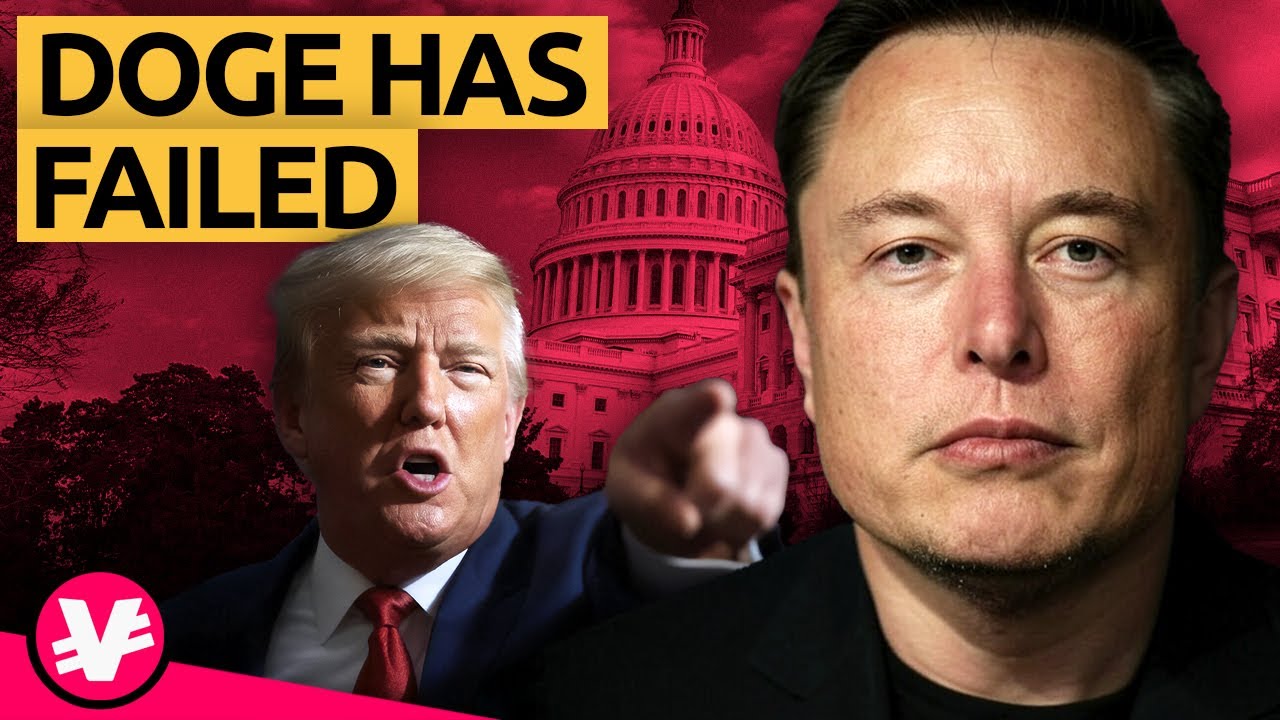
DOGE Fails to Slash U.S. Spending

Is Australia’s Economy Doomed?

Portugal: Living Costs Soar

Pope Francis: A Transformative Legacy

Trump fails due to Russia's tough stance

Spain: China's Gateway to Europe
Europe's Economic Self-Sabotage
China Strikes Back: Tariff War

India-Pakistan Tensions Surge
East Asia united against Trump

Trump's expanded tariff risk