-
 Denmark hails 'binding' Greenland deal with Trump
-
Indians living in Japan on stand-by to house Asian Games athletes

-
 We don't want Games host Japan losing money, says Asian Olympic official
-
Trump signs bill authorizing sweeping Russia sanctions

-
 Ed Sheeran returns to stage after Palestinian controversy
-
Protesters form human chain at Kennedy Center after Trump threat

-
 Asian Games to open in Japan after troubled build-up
-
Death toll from attack at police HQ in Pakistan rises to 31

-
 Drone owners rush to offload devices ahead of Beijing ban
-
Trump says Denmark to give US 'permanent control' over Greenland security

-
 Trump's beef policies irk Texas ranchers, testing their loyalty
-
Kennedy Center: future unclear for iconic Washington arts hub

-
 Nvidia, OpenAI CEOs to attend Xi dinner at White House
-
Trump claims 'infinite' Greenland security deal with Denmark

-
 Anthropic picks Accenture for in-house AI safety evaluation
-
Helicopters battle wildfire threatening Ecuador's capital

-
 Balogun returns as Monaco beat Lens to continue strong Ligue 1 start
-
Brentford batter Chelsea to undo Alonso's promising start

-
 'Pause' on overt repression in Venezuela, but reforms still needed: HRW
-
Kane hits Bundesliga century as Bayern rout Union

-
 Global stocks mixed as yen falls despite Bank of Japan rate hike
-
Trump says CNN, MS NOW, Politico banned from White House

-
 Cuba hit with seventh major blackout of the year
-
Hushing and hedging: US companies retreat on climate

-
 Murray out with concussion so Wentz will start for Vikings
-
Springboks to face Fiji before 2027 Rugby World Cup

-
 UN chief 'deeply regrets' US visa refusal to Abbas for annual meeting
-
Nigeria miners struggled to breathe in cell before 37 died: survivors
-
 England quick Carse to face no charges over alleged nightclub assault
-
McIlroy on the charge at PGA Championship as Reed withdraws

-
 Mancini brings nine newcomers into the first squad of his Italy comeback
-
McIlroy on the charge at PGA Championship

-
 Czechs level Davis Cup tie against USA as South Korea eye Finals
-
Crisis-wracked Volkswagen warns of 10-bn-euro hit to profits
-
 New France boss Zidane confirms Mbappe as captain after naming first squad
-
Costa Rica's Grynspan tops third informal poll for UN chief: diplomat

-
 California governor signs order to explore AI 'kill switch'
-
Stock markets retreat after central bank rate hikes
-
 Head leads run spree as Australia win Zimbabwe ODI series
-
Russia labels director of Cannes Grand Prix winner a 'foreign agent'

-
 In-form Raphinha wants to finish career at Barcelona
-
Macron warns of Russian 'hybrid' threat after meeting presidential hopefuls

-
 Warren Buffett steps down as Berkshire Hathaway chairman
-
UN holds third informal poll for new chief

-
 Carrick confident Man Utd can 'work through' tough time
-
Kulusevski return can spark Spurs: De Zerbi

-
 Mbappe ends Nike partnership to join Swiss brand On
-
Shakira to cap off world tour with Madrid 12-gig run

-
 Liverpool boss Iraola puts Bournemouth love affair on hold
-
Isolated Syrian-Druze city blames Damascus for shortages

California's Economy: Not Broken
California's economy has long been a subject of fascination and debate. As the largest state economy in the United States and one of the biggest in the world, it often serves as a bellwether for broader economic trends. Recently, however, a narrative has emerged suggesting that California's economy is broken, plagued by high unemployment, staggering budget deficits, and a steady stream of businesses and residents fleeing the state. Yet, a closer examination reveals a more nuanced picture—one where challenges exist but are counterbalanced by significant strengths and ongoing resilience. This article explores why California's economy might appear broken but, in reality, remains robust and dynamic.
The Perception of Decline
At first glance, the numbers seem bleak. California's unemployment rate has been a persistent concern, standing at 5.3% in early 2025—higher than the national average and second only to Michigan and Nevada among U.S. states. This elevated rate has fueled criticism that the state's economic policies are failing its workforce. Labor force participation has also lagged, growing by just 0.6% between February 2020 and April 2025. Factors like a chronic housing shortage and the retirement of aging workers contribute to this sluggish growth, painting a picture of a job market struggling to keep pace.
Budget deficits add to the perception of economic trouble. For the 2024-25 fiscal year, California faces a projected $68 billion shortfall, a stark contrast to recent surpluses. State spending has risen by 7.5% annually, outpacing revenue growth, which relies heavily on personal income taxes from high earners. This tax base, tied to volatile stock market performance, leaves the state vulnerable to downturns, especially when tech stocks falter. Such fiscal instability has led some to question the sustainability of California's economic model.
Outmigration further reinforces the "broken" narrative. High housing costs, taxes, and the pursuit of better opportunities elsewhere have driven a net loss of residents. With median home prices exceeding $600,000 and rental markets under pressure, many middle-income families find the cost of living untenable, prompting an exodus that raises fears of a shrinking middle class.
A Resilient Reality
Despite these challenges, California's economy remains a global powerhouse. In 2024, it reclaimed its spot as the world's fourth-largest economy, boasting a GDP of $4.1 trillion—surpassing Japan. This scale highlights the state's diverse economic base, spanning technology, entertainment, agriculture, and manufacturing. High per capita income, especially in tech hubs like the Bay Area, reflects the prosperity generated by these industries.
Innovation is a key pillar of this resilience. Silicon Valley, despite recent layoffs, continues to lead globally in technology, driving advancements in artificial intelligence, renewable energy, and more. The entertainment industry in Los Angeles remains a cultural and economic juggernaut, while the Central Valley's agricultural output anchors the state's role as a food supplier. These sectors not only create wealth but also attract global talent, sustaining California's economic vitality.
Recovery efforts also underscore this strength. After losing 25% of the nation's jobs during the COVID-19 pandemic, California has regained 83.6% of those losses by early 2025, outpacing many states. Health care and education sectors have seen robust job growth, while the tech industry continues to draw investment. This adaptability highlights a diverse economy capable of rebounding from setbacks.
Looking Ahead
California's leadership in addressing long-term challenges further bolsters its economic outlook. Investments in renewable energy and green technologies position the state as a pioneer in sustainability, creating new industries and jobs. Policies aimed at reducing inequality—like raising the minimum wage and expanding health care access—seek to build a more inclusive economy, tackling structural issues like poverty and housing affordability head-on.
Conclusion
While high unemployment, budget deficits, and outmigration present real hurdles, they do not define California's economic reality. The state's size, diversity, and innovation ensure it remains a global leader. By navigating short-term difficulties with an eye on long-term opportunities, California's economy proves it is far from broken—rather, it is a dynamic force adapting to a complex world.

Russia’s dollar pivot

Fentanyl trade unravels
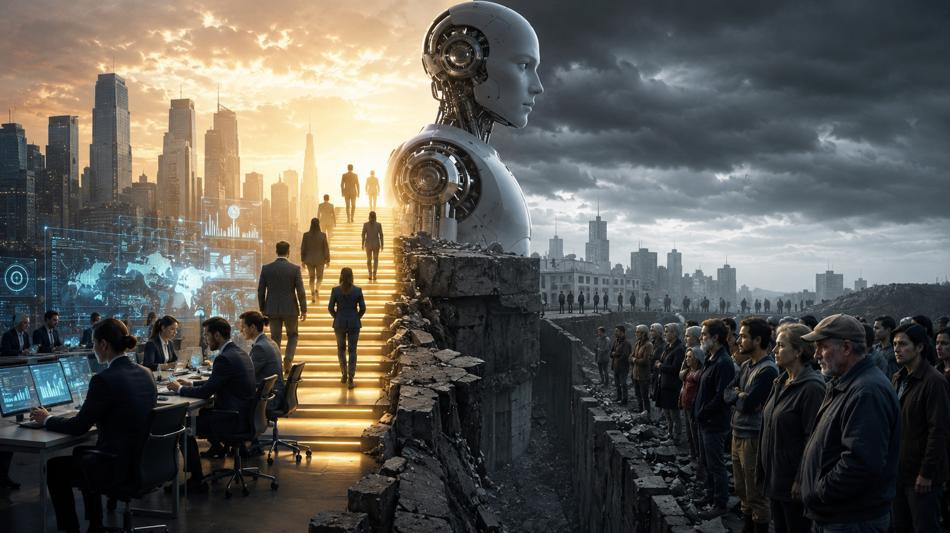
AI and the Future of Wealth

Unexpected economic twist

Beijing's new Taiwan playbook

Saudi Arabia’s Costly Mirage

China's silicon reckoning

Putin's peace threshold
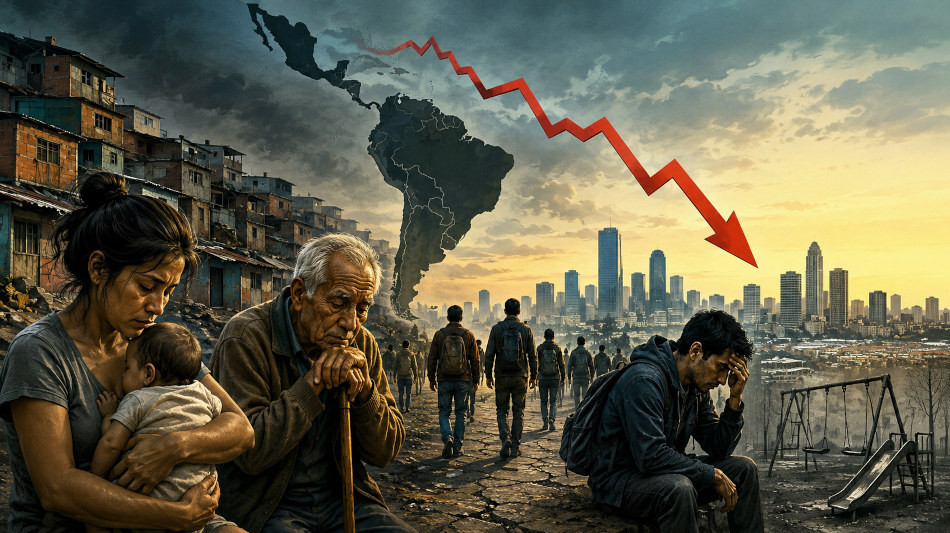
Latin America’s age trap

Sweden’s welfare reckoning

Venezuela’s Oil Return