-
 Galloway accuser could not foresee publishing-sector fallout, lawyer argues
-
أزمة الإسكان في البرتغال: تصاعد الأسعار يعمق الانقسامات السياسية حول الحريات

-
 No. 22 UCLA defeats No. 5 Arizona 84-75 despite Kharchenkov's 38 points
-
New York City Center revives In the Heights as a timely community story

-
 Vessel operator seeks witnesses after Vancouver grounding
-
Godzilla Minus Zero shifts focus toward postwar human drama

-
 US Air Force deploys F-16 fighters to remote Aleutian base for readiness drill
-
Mehbooba Mufti urges dialogue and renewed Central Asia links for Kashmir

-
 Bezos grant helps Seattle nonprofit move thousands of families toward housing
-
Seacliff Healthcare Seeks Specialist GP in Thirroul

-
 Shrini Srivastava joins crew of Varanasi-Delhi Vande Bharat Sleeper service
-
US stocks fall before midterm Election Day as technology shares weaken

-
 Nearly Half of Australian Workers Overqualified, Survey Finds
-
BLS Polymers makes strong market debut at ₹248 per share

-
 RBI eases export-declaration compliance for individual service exporters
-
Petrol and diesel prices remain broadly steady across major Indian cities

-
 India proposes more import entry points for drugs and medical devices
-
Reliance shares remain in focus after near-12% surge

-
 Derek Tierney Outlines Ten-Year Strategy for National Digital Health System
-
2026 Arizona Midterms: Key Races, Ballot Measures, and Voter Deadlines
-
 NBC’s Steve Kornacki Reveals Tech Habits Ahead of Midterm Elections
-
Coal India prepares possible $1 billion Mahanadi Coalfields listing

-
 India and Israel oppose UN draft on regional conventional arms control
-
Julia Stiles and Ezra Sosa Share Emotional Farewell After 'DWTS' Elimination

-
 BLS Polymers shares open 65.3% above IPO price
-
US Buildings Threatened by Wildfires Could Triple by 2060

-
 Capital-markets shares rally as Motilal Oswal and Angel One lead gains
-
Why Pregnancy Cost Estimates Fail: A Family’s $9,000 Surprise

-
 Latino Voters Defy ICE Fears, Turn Out in Record Numbers for Midterms
-
US Strikes Iranian Targets in Strait of Hormuz Ahead of Midterms

-
 ITC shares rise as analysts anticipate gradual cigarette-business recovery
-
Brodeur’s Overtime Goal Secures Bethlehem’s Second Consecutive Sectional Title

-
 Reliance rally puts historical one-year return pattern in focus
-
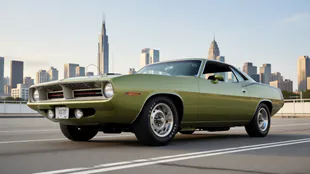
Rare 1970 Plymouth ‘Cuda 426 Hemi Listed for $400,000
-
 Kuwait edges Oman 1-0 in veterans Gulf Cup in Doha
-
The Digital Burden: Why Instant Messaging Feels Like a Full-Time Job

-
 Saudi Aramco quarterly profit climbs 34.6% amid elevated oil prices
-
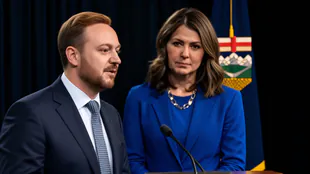
Alberta Tabled Controversial Riding Boundary Maps Amid Gerrymandering Accusations
-
 Washington reports movement in Iran negotiations aimed at preventing escalation
-
Hong Kong court set to sentence activist Joshua Wong in security case

-
 Korea’s Labor Share of GDP Hits Record Low Amid Semiconductor Boom
-
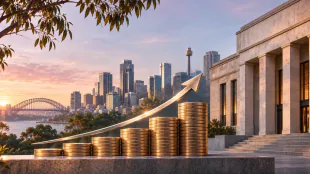
Australia raises benchmark rate to highest level in 18 years
-
 littlefish and Halo Dot Partner to Replace Payment Terminals with SoftPOS
-
'The Remarried Empress' Cast Discusses Bringing Fantasy Royal Drama to Life

-
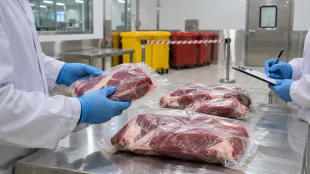 Kuwait inspectors destroy 115 kilograms of unverified meat in Farwaniya
-
Asian stocks retreat as AI worries outweigh steep oil-price drop

-
 Egypt Accelerates Construction of 341km Sinai Railway Linking Arish and Taba
-
Hamad International Airport stages emergency drills during WATAN 2026

-
 John Schneider Admits Owes Millions in 'Dukes of Hazzard' Divorce Battle
-
Global failure to punish attacks leaves journalists at continuing risk

Trump’s Crackdown: Lives/Risk
In a dramatic push to tackle the skyrocketing cost of prescription drugs in the United States, President Donald Trump has taken decisive action against the pharmaceutical industry. With the stroke of a pen, he signed an executive order designed to slash drug prices, promising relief for millions of Americans burdened by exorbitant healthcare costs. However, this bold move has sparked fierce debate, with critics warning that the consequences could be catastrophic—potentially costing millions of lives due to drug shortages and stifled innovation.
Trump’s Plan to Lower Drug Prices
The executive order, enacted on May 12, 2025, seeks to align U.S. drug prices with those in other developed nations, where medications often cost a fraction of what Americans pay. Trump has long criticized the pharmaceutical industry for what he calls unfair pricing practices, arguing that U.S. consumers have been overcharged for years. The order aims to reduce prices by 30% to 80%, targeting both brand-name and generic drugs. It relies on voluntary compliance from drug companies, with the threat of future regulations looming if they fail to cooperate. For many patients, this could mean significant savings on medications that currently drain their finances.
The Dark Side: Drug Shortages Loom
While the goal of affordability is laudable, the plan has raised red flags among healthcare experts and industry leaders. One major concern is the risk of drug shortages. The U.S. already faces periodic shortages of critical medications, such as those used in cancer treatments and epidurals. Forcing pharmaceutical companies to lower prices could make it unprofitable to produce certain drugs, particularly low-cost generics. If production slows or stops, hospitals and pharmacies could struggle to secure enough supply, leaving patients without access to life-saving treatments. The ripple effect could be devastating, especially for vulnerable populations like cancer patients and the elderly.
A Blow to Innovation
Beyond immediate supply issues, the executive order could deal a severe blow to pharmaceutical innovation. Developing new drugs is an expensive and risky endeavor, often costing billions of dollars and taking years of research. The U.S. market, with its higher drug prices, has long been a key source of revenue for this work. If that revenue shrinks, companies may cut back on research and development, slowing the creation of new treatments for diseases like Alzheimer’s, cancer, and rare genetic disorders. A healthcare economist recently cautioned that such a move could “delay breakthroughs that millions of patients are counting on,” trading short-term savings for long-term losses in medical progress.
Economic Fallout
The economic implications are equally troubling. The pharmaceutical industry employs thousands of Americans and drives significant investment in the U.S. economy. Lower prices could lead to job cuts and reduced funding for new projects. One major drug company has already hinted at rethinking its $50 billion investment in the U.S. if the order takes full effect. While consumers might save money at the pharmacy, the broader economy could suffer as a result.
The Case for Change
Despite these risks, supporters argue that action is overdue. Prescription drug prices in the U.S. are nearly three times higher than in other advanced countries, forcing many Americans to ration their medications or skip doses entirely. Lowering prices could save billions of dollars and improve access for those with chronic conditions like diabetes or heart disease. For these patients, Trump’s order represents a lifeline—a chance to afford the drugs they need to survive.
A High-Stakes Gamble
As the dust settles, the debate rages on. Will Trump’s crackdown on the pharmaceutical industry deliver on its promise of affordable healthcare, or will it unleash a cascade of unintended consequences? The order’s success hinges on cooperation from an industry reluctant to sacrifice profits, and its failure could leave patients paying the ultimate price. For now, the nation watches as this high-stakes gamble unfolds, with millions of lives in the balance.
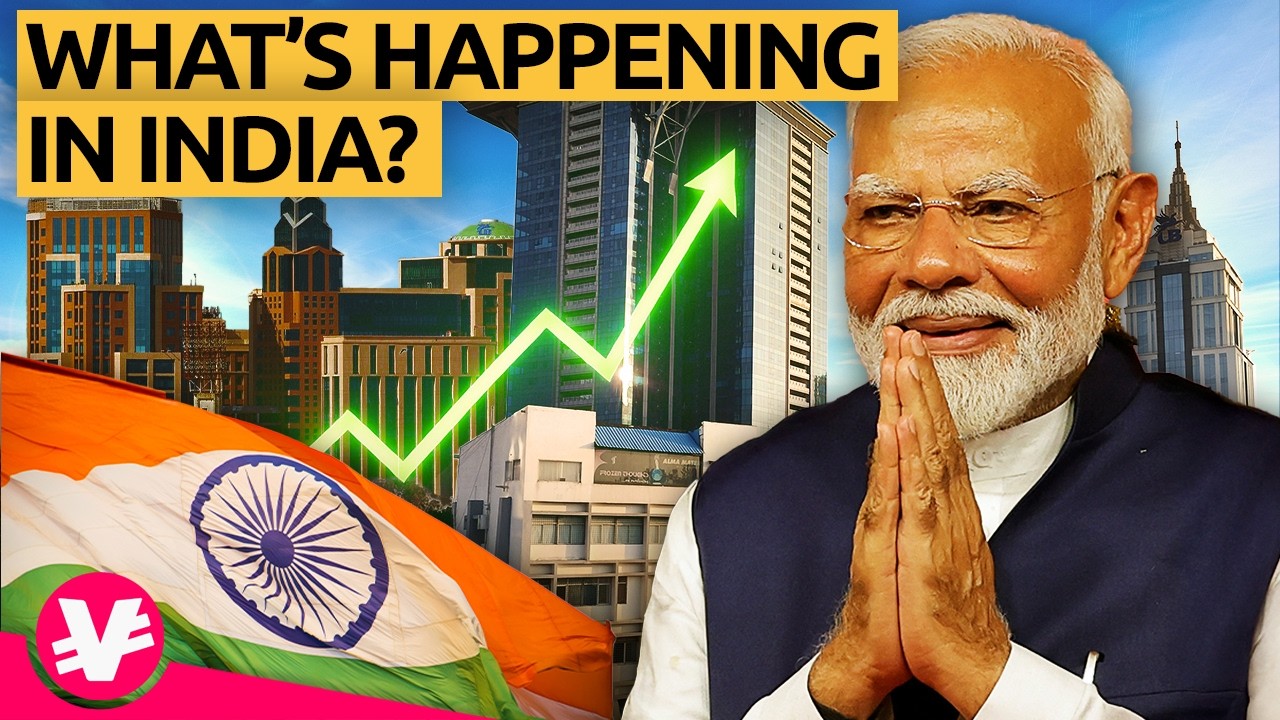
India defies U.S. tariffs
AI sparks Wall Street panic
EU India deal gains unveiled

Japan’s right‑turn triumph
U.S. Jobs stall, gdp slows

Strike fears rise over Iran

Cuba: The Regime's last Card

Nicaragua on the brink?
Mexico after El Mencho falls
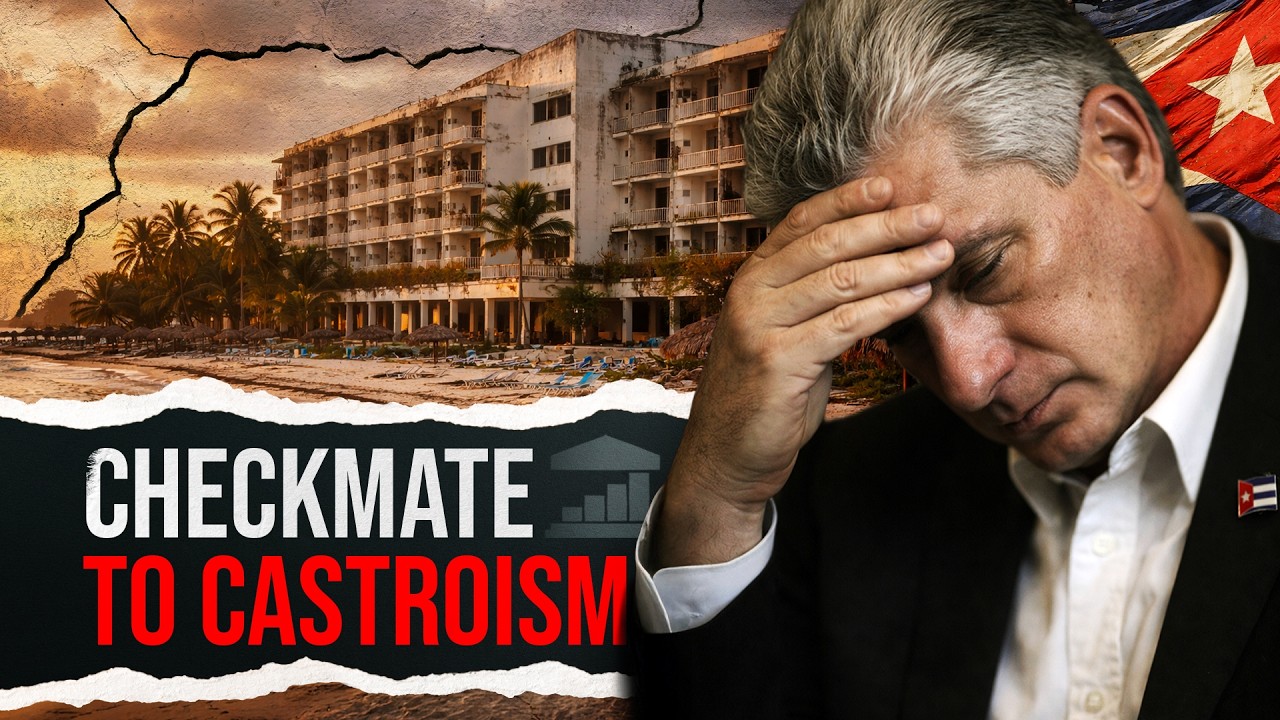
Cuba's golden Goose dies
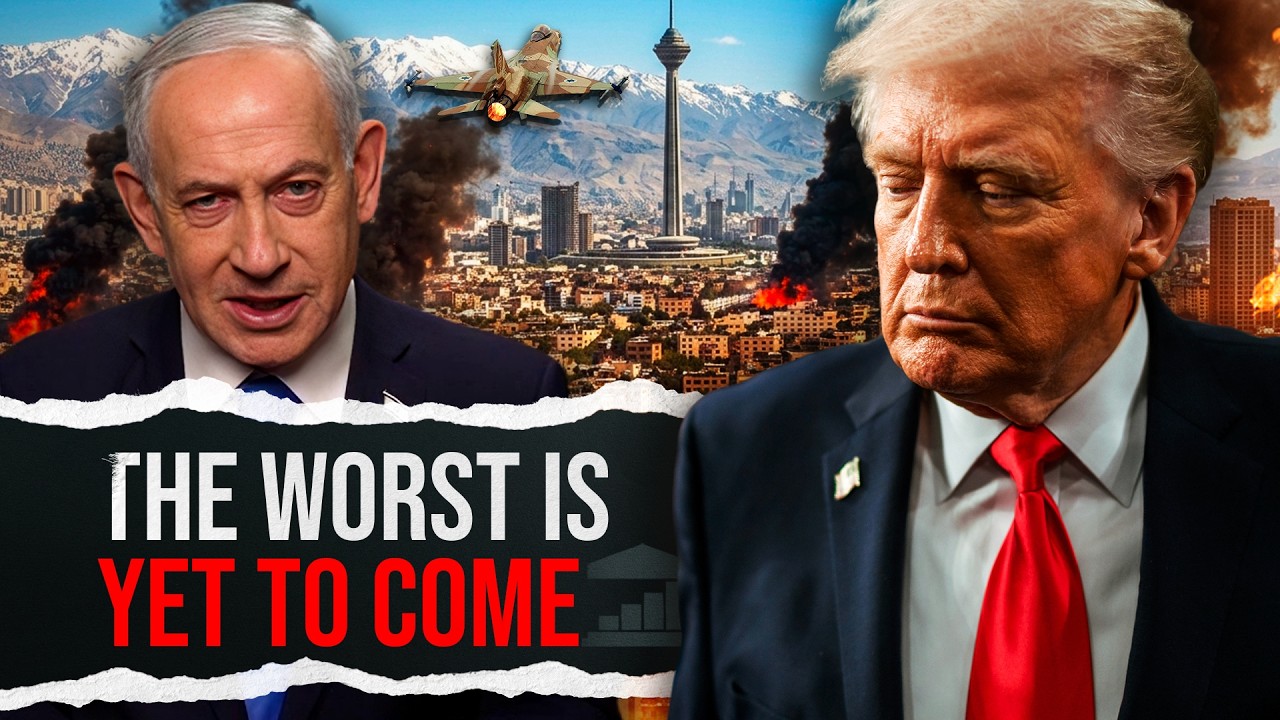
Iran's revenge rewired