-
 Asian Games offer 'deepest apologies' for South Korea anthem blunder
-
Black smoke, flames rising near Riyadh airport: residents to AFP

-
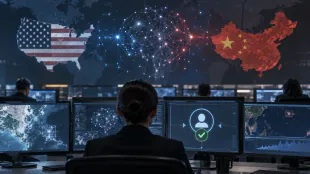 تطورات "سي أن أن": تقرير بالذكاء الاصطناعي كاد يشعل حرباً بين أميركا والصين
-
قراءة في مجلس شباب «موانئ دبي العالمية» يناقش دور الخبرات والأفكار في تحسين العمليات

-
 Inter Milan and Italy icon Mazzola dies aged 83
-
تقرير حول وفد باكستاني إلى إيران قريباً لكسر جمود المفاوضات واحتواء التوتر في اليمن

-
 UK actor Naomi Watts honoured at Spain film festival
-
قراءة في 1000 تاجر جزائري فقط يعتمدون الدفع الإلكتروني

-
 Saudi capital issues first air raid alert since renewed fighting in Yemen
-
Japan emperor declares Asian Games open after turbulent build-up

-
 Martin edges title rival Marquez for Austrian MotoGP pole
-
Asian Games open with unity message after troubled build-up

-
 Indonesia accepts Malaysia's help to tackle wildfires
-
Denmark hails 'binding' Greenland deal with Trump
-
 Indians living in Japan on stand-by to house Asian Games athletes
-
We don't want Games host Japan losing money, says Asian Olympic official

-
 Trump signs bill authorizing sweeping Russia sanctions
-
Ed Sheeran returns to stage after Palestinian controversy

-
 Protesters form human chain at Kennedy Center after Trump threat
-
Asian Games to open in Japan after troubled build-up

-
 Death toll from attack at police HQ in Pakistan rises to 31
-
Drone owners rush to offload devices ahead of Beijing ban

-
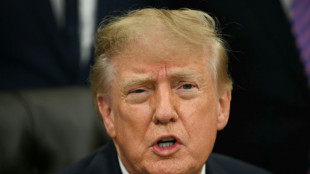 Trump says Denmark to give US 'permanent control' over Greenland security
-
Trump's beef policies irk Texas ranchers, testing their loyalty

-
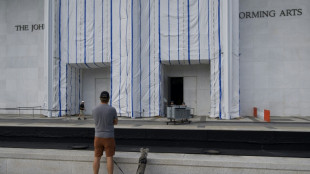 Kennedy Center: future unclear for iconic Washington arts hub
-
Nvidia, OpenAI CEOs to attend Xi dinner at White House
-
 Trump claims 'infinite' Greenland security deal with Denmark
-
Anthropic picks Accenture for in-house AI safety evaluation

-
 Helicopters battle wildfire threatening Ecuador's capital
-
Balogun returns as Monaco beat Lens to continue strong Ligue 1 start

-
 Brentford batter Chelsea to undo Alonso's promising start
-
'Pause' on overt repression in Venezuela, but reforms still needed: HRW
-
 Kane hits Bundesliga century as Bayern rout Union
-
Global stocks mixed as yen falls despite Bank of Japan rate hike
-
 Trump says CNN, MS NOW, Politico banned from White House
-
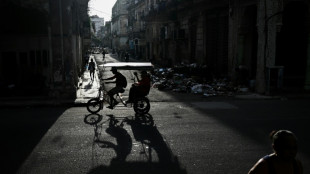
Cuba hit with seventh major blackout of the year
-
 Hushing and hedging: US companies retreat on climate
-
Murray out with concussion so Wentz will start for Vikings
-
 Springboks to face Fiji before 2027 Rugby World Cup
-
UN chief 'deeply regrets' US visa refusal to Abbas for annual meeting

-
 Nigeria miners struggled to breathe in cell before 37 died: survivors
-
England quick Carse to face no charges over alleged nightclub assault

-
 McIlroy on the charge at PGA Championship as Reed withdraws
-
Mancini brings nine newcomers into the first squad of his Italy comeback
-
 McIlroy on the charge at PGA Championship
-
Czechs level Davis Cup tie against USA as South Korea eye Finals

-
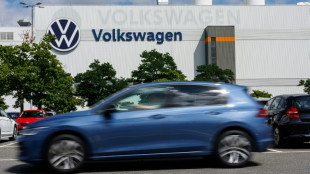 Crisis-wracked Volkswagen warns of 10-bn-euro hit to profits
-
New France boss Zidane confirms Mbappe as captain after naming first squad

-
 Costa Rica's Grynspan tops third informal poll for UN chief: diplomat
-
California governor signs order to explore AI 'kill switch'

Trump’s Crackdown: Lives/Risk
In a dramatic push to tackle the skyrocketing cost of prescription drugs in the United States, President Donald Trump has taken decisive action against the pharmaceutical industry. With the stroke of a pen, he signed an executive order designed to slash drug prices, promising relief for millions of Americans burdened by exorbitant healthcare costs. However, this bold move has sparked fierce debate, with critics warning that the consequences could be catastrophic—potentially costing millions of lives due to drug shortages and stifled innovation.
Trump’s Plan to Lower Drug Prices
The executive order, enacted on May 12, 2025, seeks to align U.S. drug prices with those in other developed nations, where medications often cost a fraction of what Americans pay. Trump has long criticized the pharmaceutical industry for what he calls unfair pricing practices, arguing that U.S. consumers have been overcharged for years. The order aims to reduce prices by 30% to 80%, targeting both brand-name and generic drugs. It relies on voluntary compliance from drug companies, with the threat of future regulations looming if they fail to cooperate. For many patients, this could mean significant savings on medications that currently drain their finances.
The Dark Side: Drug Shortages Loom
While the goal of affordability is laudable, the plan has raised red flags among healthcare experts and industry leaders. One major concern is the risk of drug shortages. The U.S. already faces periodic shortages of critical medications, such as those used in cancer treatments and epidurals. Forcing pharmaceutical companies to lower prices could make it unprofitable to produce certain drugs, particularly low-cost generics. If production slows or stops, hospitals and pharmacies could struggle to secure enough supply, leaving patients without access to life-saving treatments. The ripple effect could be devastating, especially for vulnerable populations like cancer patients and the elderly.
A Blow to Innovation
Beyond immediate supply issues, the executive order could deal a severe blow to pharmaceutical innovation. Developing new drugs is an expensive and risky endeavor, often costing billions of dollars and taking years of research. The U.S. market, with its higher drug prices, has long been a key source of revenue for this work. If that revenue shrinks, companies may cut back on research and development, slowing the creation of new treatments for diseases like Alzheimer’s, cancer, and rare genetic disorders. A healthcare economist recently cautioned that such a move could “delay breakthroughs that millions of patients are counting on,” trading short-term savings for long-term losses in medical progress.
Economic Fallout
The economic implications are equally troubling. The pharmaceutical industry employs thousands of Americans and drives significant investment in the U.S. economy. Lower prices could lead to job cuts and reduced funding for new projects. One major drug company has already hinted at rethinking its $50 billion investment in the U.S. if the order takes full effect. While consumers might save money at the pharmacy, the broader economy could suffer as a result.
The Case for Change
Despite these risks, supporters argue that action is overdue. Prescription drug prices in the U.S. are nearly three times higher than in other advanced countries, forcing many Americans to ration their medications or skip doses entirely. Lowering prices could save billions of dollars and improve access for those with chronic conditions like diabetes or heart disease. For these patients, Trump’s order represents a lifeline—a chance to afford the drugs they need to survive.
A High-Stakes Gamble
As the dust settles, the debate rages on. Will Trump’s crackdown on the pharmaceutical industry deliver on its promise of affordable healthcare, or will it unleash a cascade of unintended consequences? The order’s success hinges on cooperation from an industry reluctant to sacrifice profits, and its failure could leave patients paying the ultimate price. For now, the nation watches as this high-stakes gamble unfolds, with millions of lives in the balance.

Confetti and fried doughnuts: Beautiful carnival in Venice
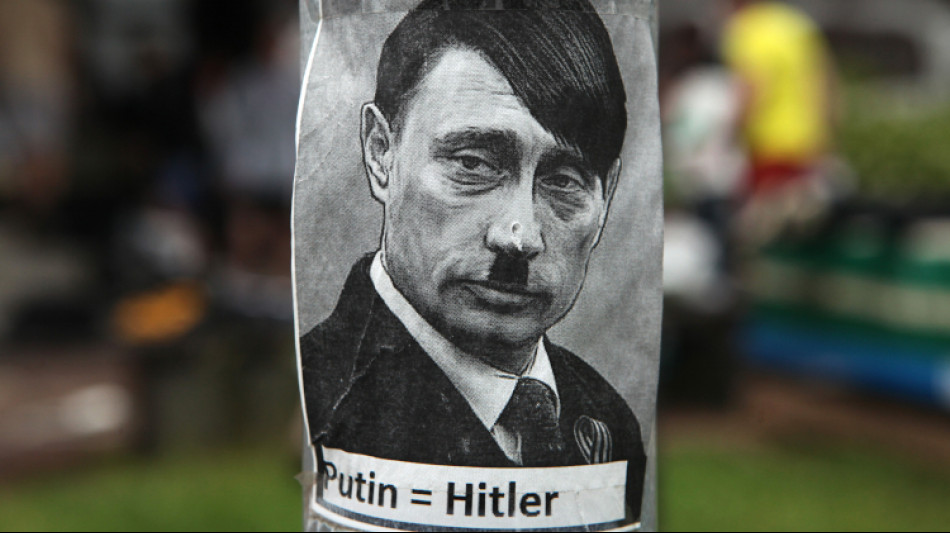
Moldova: Russia and his anti-social hybrid war!

Russia with a big mouth but nothing behind it!
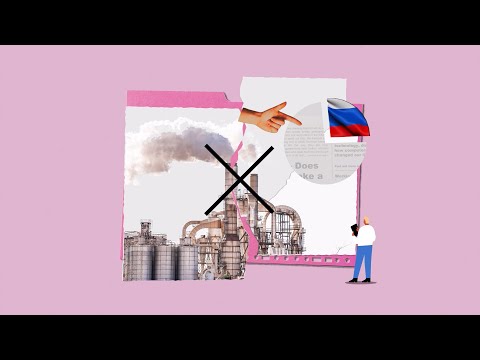
The EU, Russia and the energy crisis
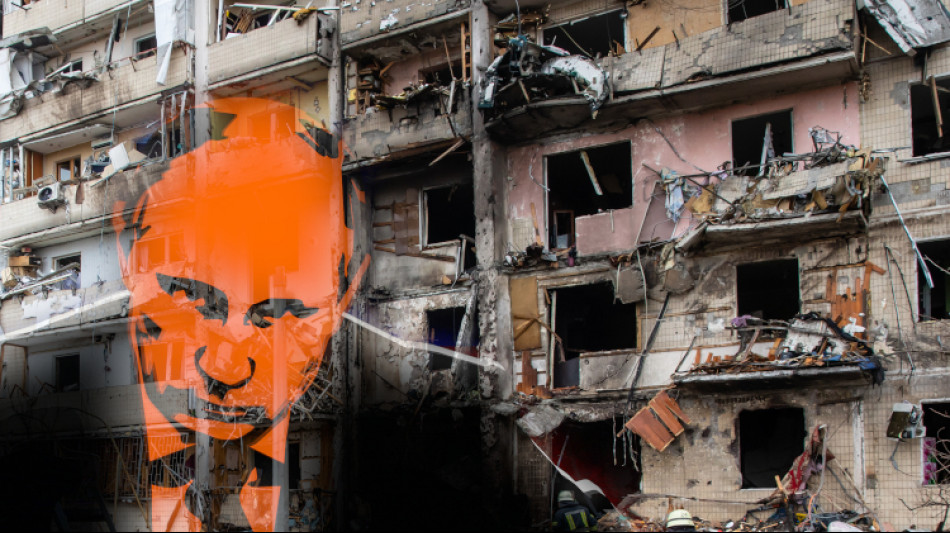
Вы, русские ублюдки и убийцы детей
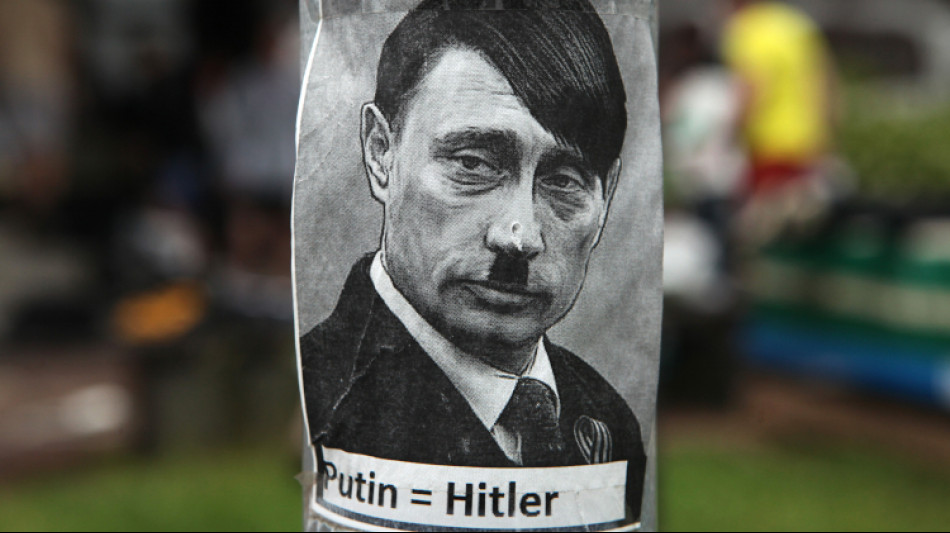
Russian scum beats own soldiers
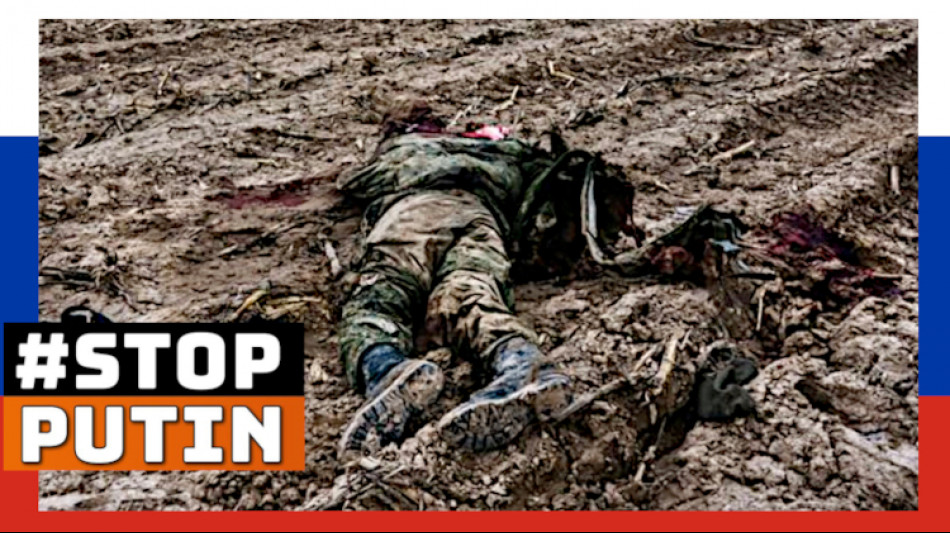
Ukraine: Russians die like fucking flies!

Typical antisocial Russian propaganda

Brasilien: Jair Bolsonaro Wahlniederlage ein
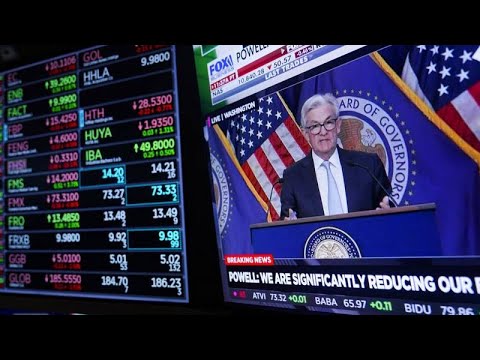
US Federal Reserve raises interest rate to highest level
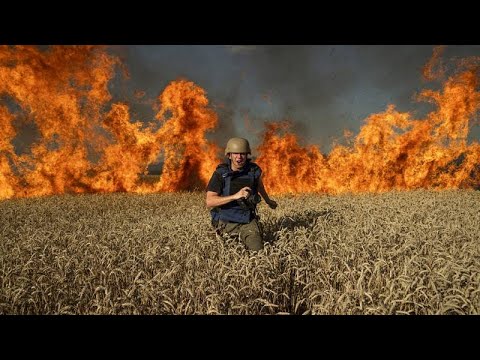
Ukraine War: 36 Billion Damage to Environment!