-
 Galloway accuser could not foresee publishing-sector fallout, lawyer argues
-
أزمة الإسكان في البرتغال: تصاعد الأسعار يعمق الانقسامات السياسية حول الحريات

-
 No. 22 UCLA defeats No. 5 Arizona 84-75 despite Kharchenkov's 38 points
-
New York City Center revives In the Heights as a timely community story

-
 Vessel operator seeks witnesses after Vancouver grounding
-
Godzilla Minus Zero shifts focus toward postwar human drama

-
 US Air Force deploys F-16 fighters to remote Aleutian base for readiness drill
-
Mehbooba Mufti urges dialogue and renewed Central Asia links for Kashmir

-
 Bezos grant helps Seattle nonprofit move thousands of families toward housing
-
Seacliff Healthcare Seeks Specialist GP in Thirroul

-
 Shrini Srivastava joins crew of Varanasi-Delhi Vande Bharat Sleeper service
-
US stocks fall before midterm Election Day as technology shares weaken

-
 Nearly Half of Australian Workers Overqualified, Survey Finds
-
BLS Polymers makes strong market debut at ₹248 per share
-
 RBI eases export-declaration compliance for individual service exporters
-
Petrol and diesel prices remain broadly steady across major Indian cities

-
 India proposes more import entry points for drugs and medical devices
-
Reliance shares remain in focus after near-12% surge

-
 Derek Tierney Outlines Ten-Year Strategy for National Digital Health System
-
2026 Arizona Midterms: Key Races, Ballot Measures, and Voter Deadlines

-
 NBC’s Steve Kornacki Reveals Tech Habits Ahead of Midterm Elections
-
Coal India prepares possible $1 billion Mahanadi Coalfields listing

-
 India and Israel oppose UN draft on regional conventional arms control
-
Julia Stiles and Ezra Sosa Share Emotional Farewell After 'DWTS' Elimination

-
 BLS Polymers shares open 65.3% above IPO price
-
US Buildings Threatened by Wildfires Could Triple by 2060

-
 Capital-markets shares rally as Motilal Oswal and Angel One lead gains
-
Why Pregnancy Cost Estimates Fail: A Family’s $9,000 Surprise

-
 Latino Voters Defy ICE Fears, Turn Out in Record Numbers for Midterms
-
US Strikes Iranian Targets in Strait of Hormuz Ahead of Midterms

-
 ITC shares rise as analysts anticipate gradual cigarette-business recovery
-
Brodeur’s Overtime Goal Secures Bethlehem’s Second Consecutive Sectional Title

-
 Reliance rally puts historical one-year return pattern in focus
-
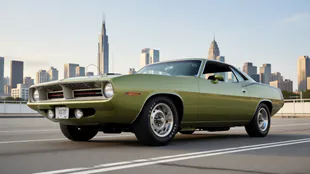
Rare 1970 Plymouth ‘Cuda 426 Hemi Listed for $400,000
-
 Kuwait edges Oman 1-0 in veterans Gulf Cup in Doha
-
The Digital Burden: Why Instant Messaging Feels Like a Full-Time Job

-
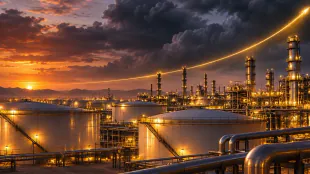 Saudi Aramco quarterly profit climbs 34.6% amid elevated oil prices
-
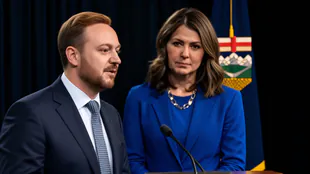
Alberta Tabled Controversial Riding Boundary Maps Amid Gerrymandering Accusations
-
 Washington reports movement in Iran negotiations aimed at preventing escalation
-
Hong Kong court set to sentence activist Joshua Wong in security case

-
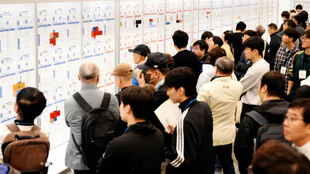 Korea’s Labor Share of GDP Hits Record Low Amid Semiconductor Boom
-
Australia raises benchmark rate to highest level in 18 years

-
 littlefish and Halo Dot Partner to Replace Payment Terminals with SoftPOS
-
'The Remarried Empress' Cast Discusses Bringing Fantasy Royal Drama to Life

-
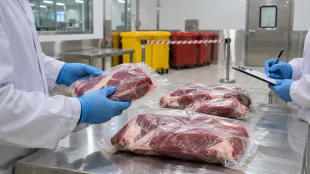 Kuwait inspectors destroy 115 kilograms of unverified meat in Farwaniya
-
Asian stocks retreat as AI worries outweigh steep oil-price drop
-
 Egypt Accelerates Construction of 341km Sinai Railway Linking Arish and Taba
-
Hamad International Airport stages emergency drills during WATAN 2026

-
 John Schneider Admits Owes Millions in 'Dukes of Hazzard' Divorce Battle
-
Global failure to punish attacks leaves journalists at continuing risk

Trump’s Ukraine Economic Colony Plan Stirs Debate
As the war in Ukraine continues to reshape global geopolitics, a contentious proposal from US President Donald Trump has ignited fierce debate. Reports emerging in early 2025 suggest that Trump is pushing a deal that would grant the United States significant control over Ukraine’s vast natural resources, effectively turning the war-torn nation into what critics are calling an "economic colony." This development, rooted in negotiations tied to US military and financial aid, has raised alarm bells in Kyiv and among European allies.
According to sources, including a detailed report by EurasiaTimes on 20 February 2025, Trump’s administration has proposed a contract that demands a 50% share of Ukraine’s revenue from its critical minerals, ports, infrastructure, oil, and gas reserves. This comes as a condition for continued US support, which has been vital to Ukraine’s defence against Russia’s invasion since February 2022. The proposed terms are staggering: the US claims it has provided $500 billion in aid—a figure disputed by independent estimates, such as the Kiel Institute for the World Economy, which pegs US contributions at approximately $119 billion as of late 2024. In return, Trump seeks economic dominance over Ukraine’s resources, estimated to be worth trillions of dollars.
Ukraine, despite occupying just 0.4% of the Earth’s surface, is a treasure trove of rare earth elements, titanium, lithium, and other minerals critical to modern technology and defence industries. However, much of this wealth remains untapped or lies in Russian-occupied territories, complicating extraction efforts. Trump’s plan, as outlined in a leaked document cited by The Telegraph on 7 February 2025, includes establishing a "joint investment fund" to ensure that "hostile conflict parties"—namely Russia and potentially China—do not benefit from Ukraine’s reconstruction. The deal also reportedly grants the US "investment screening" powers, allowing Washington to dictate Ukraine’s economic partnerships.
Ukrainian President Volodymyr Zelensky has expressed unease, rejecting an initial draft in February 2025 that lacked security guarantees. "It is very important that there is a connection between security guarantees and a form of investment," Zelensky said, as reported by NBC News on 19 February 2025. His hesitation reflects a broader concern: that accepting Trump’s terms could lock Ukraine into a perpetual state of economic subservience, reminiscent of colonial arrangements imposed on defeated nations after major wars. Ukrainian economist Roman Sheremeta described the proposal as "effectively turning Ukraine into an American colony," a sentiment echoed across social media platforms like X, where users have labelled it "economic colonisation."
The plan has drawn sharp criticism internationally. German Chancellor Olaf Scholz called it "egoistic" during an EU summit on 4 February 2025, arguing that Ukraine’s resources should fund its own rebuilding, not serve foreign interests. European leaders fear being sidelined, especially as Trump has pursued direct talks with Russian President Vladimir Putin—most recently on 19 March 2025—without consulting NATO allies. These negotiations, held in Saudi Arabia, have fuelled speculation that Trump might trade Ukrainian sovereignty for a swift resolution to the conflict, a move that could bolster his domestic image ahead of the 2026 midterms.
Trump defends his approach, framing it as a pragmatic exchange. "We’ve given them hundreds of billions, and they’ve got great rare earths," he said on 4 February 2025, per Newspapers. He has also threatened to halt US military aid—paused since 3 March 2025—unless Zelensky complies, a stance that has deepened tensions following a public spat in the White House in late February. Yet, the numbers don’t fully align with Trump’s rhetoric: the Center for Strategic & International Studies estimates total US aid at $174.2 billion, far below the $350 billion he has claimed.
For Ukraine, the stakes are existential. Accepting the deal could secure short-term survival but at the cost of long-term autonomy. Rejecting it risks losing US support, potentially forcing Kyiv to cede ground to Russia. As of now, no agreement has been signed, but pressure is mounting. On 31 March 2025, Trump warned Zelensky of "big problems" if he backs out, according to ZDFheute. With Putin tying any ceasefire to Russian gains in Kursk, as noted by morgenpost.de on 7 March 2025, Ukraine finds itself caught between two superpowers, its future hanging in the balance.