-
 Asian Games offer 'deepest apologies' for South Korea anthem blunder
-
Black smoke, flames rising near Riyadh airport: residents to AFP
-
 تطورات "سي أن أن": تقرير بالذكاء الاصطناعي كاد يشعل حرباً بين أميركا والصين
-
قراءة في مجلس شباب «موانئ دبي العالمية» يناقش دور الخبرات والأفكار في تحسين العمليات

-
 Inter Milan and Italy icon Mazzola dies aged 83
-
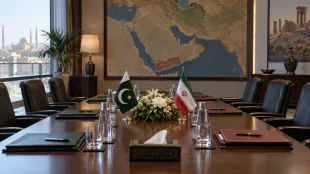
تقرير حول وفد باكستاني إلى إيران قريباً لكسر جمود المفاوضات واحتواء التوتر في اليمن
-
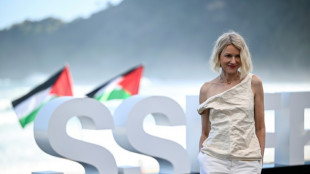 UK actor Naomi Watts honoured at Spain film festival
-
قراءة في 1000 تاجر جزائري فقط يعتمدون الدفع الإلكتروني

-
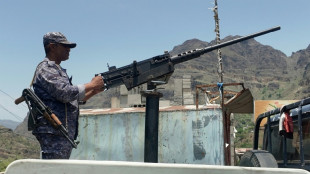 Saudi capital issues first air raid alert since renewed fighting in Yemen
-
Japan emperor declares Asian Games open after turbulent build-up

-
 Martin edges title rival Marquez for Austrian MotoGP pole
-
Asian Games open with unity message after troubled build-up

-
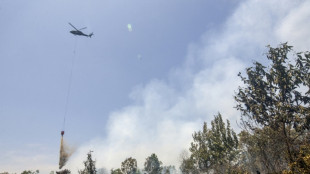 Indonesia accepts Malaysia's help to tackle wildfires
-
Denmark hails 'binding' Greenland deal with Trump
-
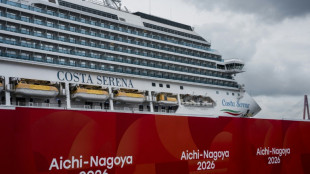 Indians living in Japan on stand-by to house Asian Games athletes
-
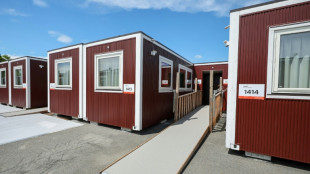
We don't want Games host Japan losing money, says Asian Olympic official
-
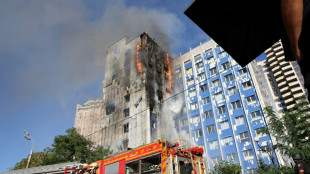 Trump signs bill authorizing sweeping Russia sanctions
-
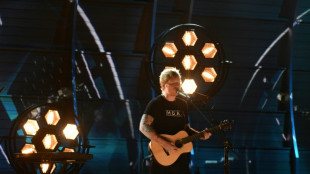
Ed Sheeran returns to stage after Palestinian controversy
-
 Protesters form human chain at Kennedy Center after Trump threat
-
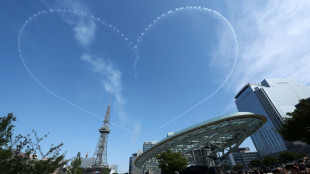
Asian Games to open in Japan after troubled build-up
-
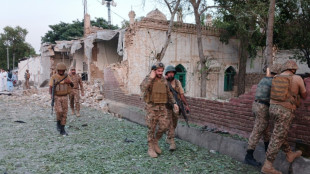 Death toll from attack at police HQ in Pakistan rises to 31
-
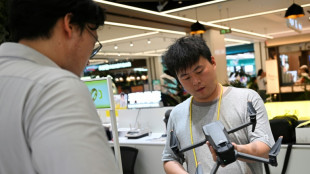
Drone owners rush to offload devices ahead of Beijing ban
-
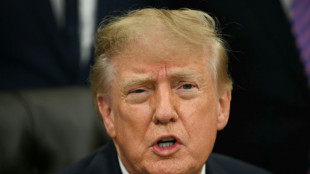 Trump says Denmark to give US 'permanent control' over Greenland security
-
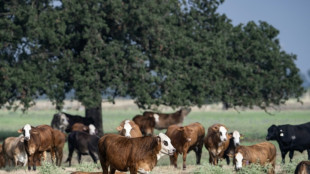
Trump's beef policies irk Texas ranchers, testing their loyalty
-
 Kennedy Center: future unclear for iconic Washington arts hub
-
Nvidia, OpenAI CEOs to attend Xi dinner at White House

-
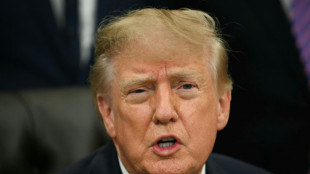 Trump claims 'infinite' Greenland security deal with Denmark
-
Anthropic picks Accenture for in-house AI safety evaluation

-
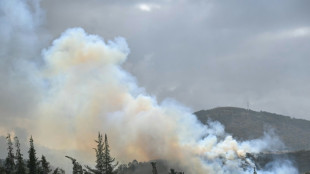 Helicopters battle wildfire threatening Ecuador's capital
-
Balogun returns as Monaco beat Lens to continue strong Ligue 1 start

-
 Brentford batter Chelsea to undo Alonso's promising start
-
'Pause' on overt repression in Venezuela, but reforms still needed: HRW
-
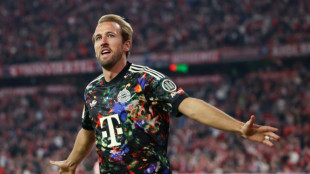 Kane hits Bundesliga century as Bayern rout Union
-
Global stocks mixed as yen falls despite Bank of Japan rate hike
-
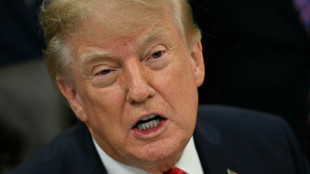 Trump says CNN, MS NOW, Politico banned from White House
-
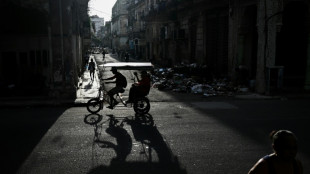
Cuba hit with seventh major blackout of the year
-
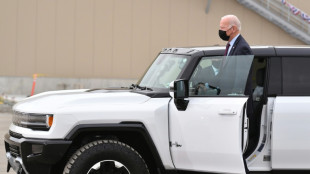 Hushing and hedging: US companies retreat on climate
-
Murray out with concussion so Wentz will start for Vikings

-
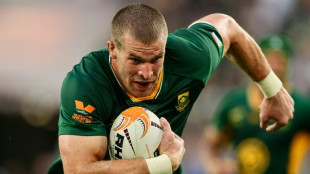 Springboks to face Fiji before 2027 Rugby World Cup
-
UN chief 'deeply regrets' US visa refusal to Abbas for annual meeting
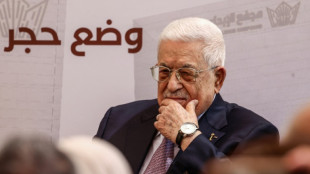
-
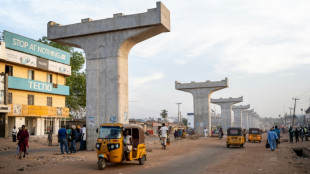 Nigeria miners struggled to breathe in cell before 37 died: survivors
-
England quick Carse to face no charges over alleged nightclub assault

-
 McIlroy on the charge at PGA Championship as Reed withdraws
-
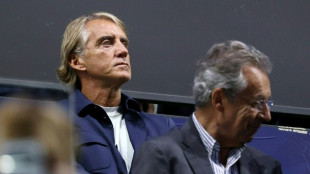
Mancini brings nine newcomers into the first squad of his Italy comeback
-
 McIlroy on the charge at PGA Championship
-
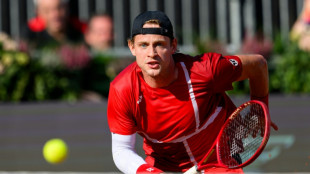
Czechs level Davis Cup tie against USA as South Korea eye Finals
-
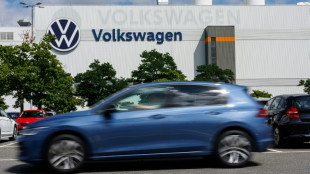 Crisis-wracked Volkswagen warns of 10-bn-euro hit to profits
-
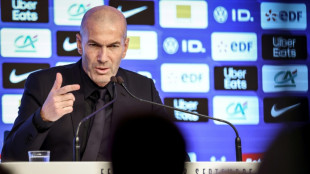
New France boss Zidane confirms Mbappe as captain after naming first squad
-
 Costa Rica's Grynspan tops third informal poll for UN chief: diplomat
-
California governor signs order to explore AI 'kill switch'

Nuclear weapons for Poland against Russia?
As Donald Trump’s second term as U.S. President intensifies global tensions, a volatile mix of international defiance and regional military posturing is emerging, with Poland at the centre of a brewing storm. Amidst protests against Trump’s policies, speculation about nuclear escalation and Poland’s strategic moves against Russia have raised alarms, encapsulated in the provocative phrase circulating among activists and commentators: "We are ready for war." Yet, the reality behind these developments remains grounded in diplomatic friction and military preparedness rather than imminent conflict.
Trump’s inauguration on 20 January 2025 marked a return to his "America First" stance, including a pledge to reassess U.S. commitments to NATO, announced in a speech in Texas on 25 January. This has sparked outrage across Europe, with protests erupting in cities like Paris and Berlin. On 28 January, French activist Élise Moreau told a crowd of 12,000 outside the U.S. Embassy in Paris—according to police estimates—that "we are ready for war" against Trump’s "disruptive unilateralism." Similar sentiments have echoed in Warsaw, where Polish citizens and officials fear that a weakened NATO could embolden Russia’s ambitions in Eastern Europe.
Poland’s response has been swift and assertive. On 5 March, the Polish Ministry of Defence confirmed the deployment of an additional 10,000 troops to its eastern border with Belarus and Ukraine, citing "heightened Russian military activity" in the region. This followed reports from the Ukrainian General Staff on 2 March that Russia had amassed 50,000 troops near its western frontier, though Moscow denied any aggressive intent. Poland’s Foreign Minister, Anna Kowalska, stated on 7 March that "Warsaw will not wait for threats to materialise," framing the troop surge as a defensive "gambit" to deter Russian advances.
The spectre of nuclear weapons has further inflamed rhetoric. On 10 March, a senior Polish MP from the ruling Law and Justice Party, Janusz Kowalski, suggested in a televised debate that Poland might seek NATO nuclear sharing agreements "if the U.S. wavers." This echoed Trump’s own comments on 8 March in Florida, where he hinted at reconsidering America’s nuclear umbrella over Europe, stating, "Allies need to pay their share, or they’re on their own." No evidence suggests nuclear weapons are currently "on the way" to Poland, but the remarks have fuelled speculation and alarm, amplified by posts on X claiming "nukes" are imminent.
Across the Atlantic, Trump has dismissed the backlash. At a rally in Michigan on 15 March, attended by an estimated 18,000 supporters according to local authorities, he called European critics "freeloaders" and reiterated his intent to renegotiate defence pacts. The White House followed this with a statement on 16 March, asserting that "no changes to NATO’s nuclear posture are under consideration," attempting to quell fears of escalation.
In Europe, reactions vary. Germany’s Foreign Ministry expressed "deep concern" on 12 March about Poland’s troop movements, urging restraint to avoid provoking Moscow. Meanwhile, NATO Secretary General Mark Rutte announced on 17 March that the alliance would hold emergency talks in Brussels next week to address "cohesion and deterrence" amid Trump’s pressures. Analysts note that Poland’s actions align with its long-standing policy of bolstering its military—its defence budget reached 4% of GDP in 2024, per World Bank data—reflecting fears rooted in Russia’s 2022 invasion of Ukraine.
The "ready for war" rhetoric, while widespread, remains symbolic. Dr. Katarzyna Zielinska, a security expert at Jagiellonian University in Krakow, told this publication, "Poland’s gambit is about deterrence, not aggression. Talk of war—or nukes—is an expression of anxiety, not a plan." Still, the situation is precarious. The International Institute for Strategic Studies reported on 14 March that Russian air patrols near Polish airspace increased by 20% in February 2025 compared to the previous year, heightening regional tensions.
For now, the international rebellion against Trump and Poland’s military stance are distinct but intertwined threads in a broader tapestry of uncertainty. Protests continue—organisers in London are planning a rally for 25 March—while Poland’s border fortifications proceed. Whether these developments signal a genuine slide towards conflict or a recalibration of global alliances remains unclear. What is certain is that Trump’s shadow, and Russia’s looming presence, have set the stage for a critical test of resolve in the months ahead.
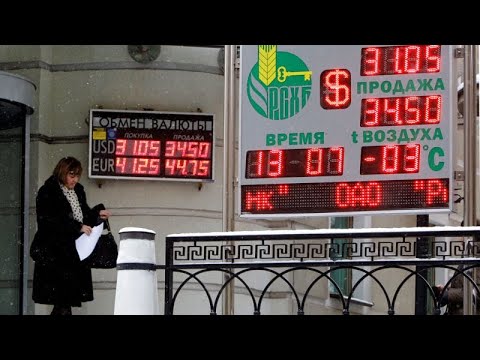
Russian Central Bank: Urgent meeting due to rouble devaluation
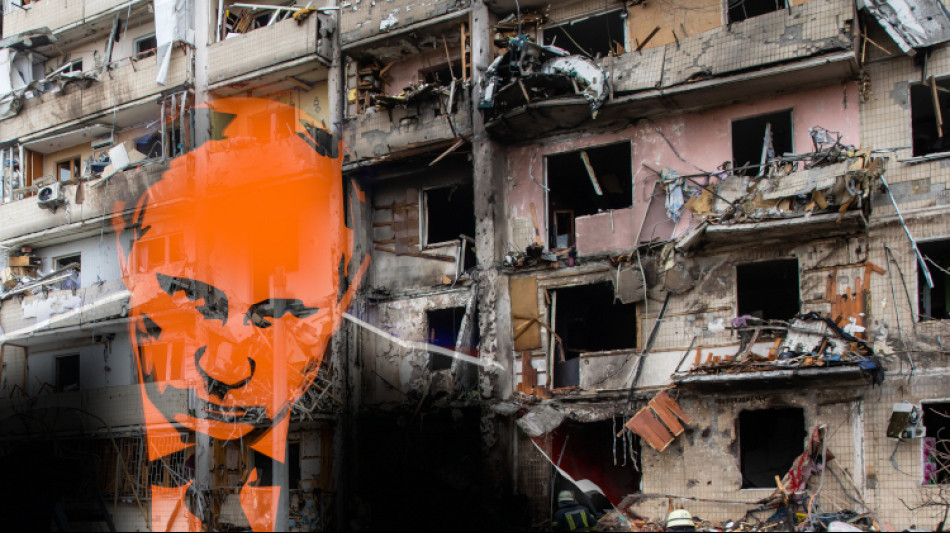
Russia in Ukraine: murder, torture, looting, rape!
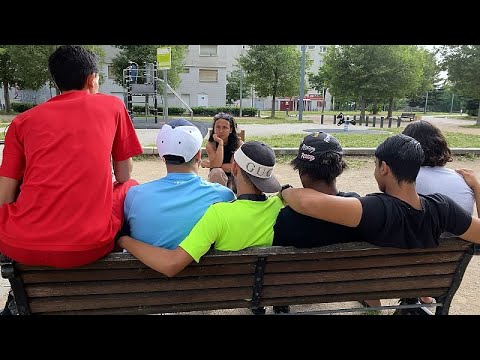
What lies behind the anger in France’s banlieues?
That's how terror Russians end up in Ukraine!

Is football becoming less competitive than before?

Sánchez's aim to reinstate leftist coalition set to fail!
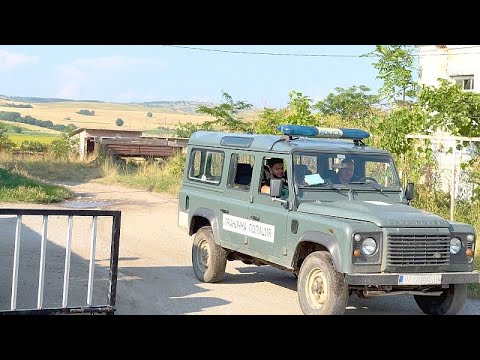
Border violence: What is going on in Bulgaria?
Russland als Terror-Staat / Russia as a terror state!
Ukraine in the fight against the russian terror State
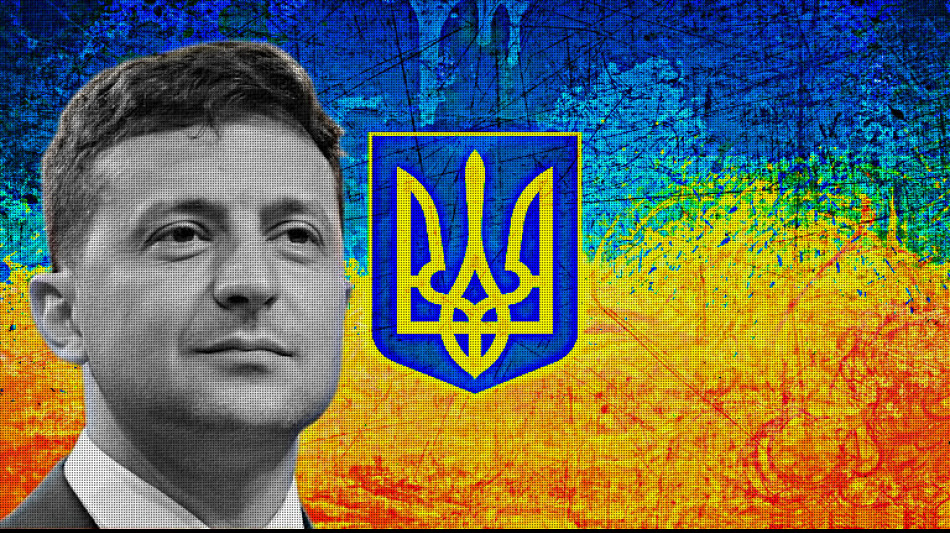
The Russian terrorist state will never own Ukraine!

ATTENTION, ATENCIÓN, УВАГА, ВНИМАНИЕ, 注意事项, DİKKAT, 주의, ATENÇÃO