-
 Galloway accuser could not foresee publishing-sector fallout, lawyer argues
-
أزمة الإسكان في البرتغال: تصاعد الأسعار يعمق الانقسامات السياسية حول الحريات

-
 No. 22 UCLA defeats No. 5 Arizona 84-75 despite Kharchenkov's 38 points
-
New York City Center revives In the Heights as a timely community story

-
 Vessel operator seeks witnesses after Vancouver grounding
-
Godzilla Minus Zero shifts focus toward postwar human drama

-
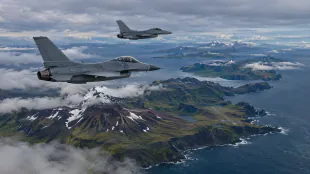 US Air Force deploys F-16 fighters to remote Aleutian base for readiness drill
-
Mehbooba Mufti urges dialogue and renewed Central Asia links for Kashmir

-
 Bezos grant helps Seattle nonprofit move thousands of families toward housing
-
Seacliff Healthcare Seeks Specialist GP in Thirroul

-
 Shrini Srivastava joins crew of Varanasi-Delhi Vande Bharat Sleeper service
-
US stocks fall before midterm Election Day as technology shares weaken

-
 Nearly Half of Australian Workers Overqualified, Survey Finds
-
BLS Polymers makes strong market debut at ₹248 per share

-
 RBI eases export-declaration compliance for individual service exporters
-
Petrol and diesel prices remain broadly steady across major Indian cities

-
 India proposes more import entry points for drugs and medical devices
-
Reliance shares remain in focus after near-12% surge

-
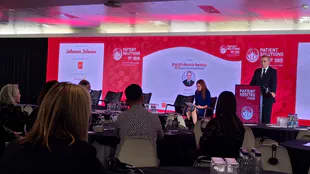 Derek Tierney Outlines Ten-Year Strategy for National Digital Health System
-
2026 Arizona Midterms: Key Races, Ballot Measures, and Voter Deadlines

-
 NBC’s Steve Kornacki Reveals Tech Habits Ahead of Midterm Elections
-
Coal India prepares possible $1 billion Mahanadi Coalfields listing

-
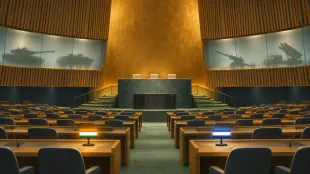 India and Israel oppose UN draft on regional conventional arms control
-
Julia Stiles and Ezra Sosa Share Emotional Farewell After 'DWTS' Elimination

-
 BLS Polymers shares open 65.3% above IPO price
-
US Buildings Threatened by Wildfires Could Triple by 2060

-
 Capital-markets shares rally as Motilal Oswal and Angel One lead gains
-
Why Pregnancy Cost Estimates Fail: A Family’s $9,000 Surprise

-
 Latino Voters Defy ICE Fears, Turn Out in Record Numbers for Midterms
-
US Strikes Iranian Targets in Strait of Hormuz Ahead of Midterms

-
 ITC shares rise as analysts anticipate gradual cigarette-business recovery
-
Brodeur’s Overtime Goal Secures Bethlehem’s Second Consecutive Sectional Title

-
 Reliance rally puts historical one-year return pattern in focus
-
Rare 1970 Plymouth ‘Cuda 426 Hemi Listed for $400,000

-
 Kuwait edges Oman 1-0 in veterans Gulf Cup in Doha
-
The Digital Burden: Why Instant Messaging Feels Like a Full-Time Job

-
 Saudi Aramco quarterly profit climbs 34.6% amid elevated oil prices
-
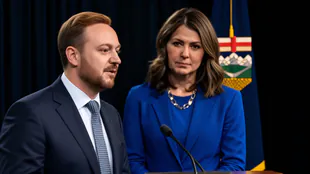
Alberta Tabled Controversial Riding Boundary Maps Amid Gerrymandering Accusations
-
 Washington reports movement in Iran negotiations aimed at preventing escalation
-
Hong Kong court set to sentence activist Joshua Wong in security case

-
 Korea’s Labor Share of GDP Hits Record Low Amid Semiconductor Boom
-
Australia raises benchmark rate to highest level in 18 years

-
 littlefish and Halo Dot Partner to Replace Payment Terminals with SoftPOS
-
'The Remarried Empress' Cast Discusses Bringing Fantasy Royal Drama to Life

-
 Kuwait inspectors destroy 115 kilograms of unverified meat in Farwaniya
-
Asian stocks retreat as AI worries outweigh steep oil-price drop

-
 Egypt Accelerates Construction of 341km Sinai Railway Linking Arish and Taba
-
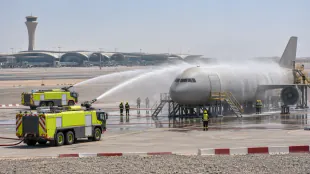
Hamad International Airport stages emergency drills during WATAN 2026
-
 John Schneider Admits Owes Millions in 'Dukes of Hazzard' Divorce Battle
-
Global failure to punish attacks leaves journalists at continuing risk

Nuclear weapons for Poland against Russia?
As Donald Trump’s second term as U.S. President intensifies global tensions, a volatile mix of international defiance and regional military posturing is emerging, with Poland at the centre of a brewing storm. Amidst protests against Trump’s policies, speculation about nuclear escalation and Poland’s strategic moves against Russia have raised alarms, encapsulated in the provocative phrase circulating among activists and commentators: "We are ready for war." Yet, the reality behind these developments remains grounded in diplomatic friction and military preparedness rather than imminent conflict.
Trump’s inauguration on 20 January 2025 marked a return to his "America First" stance, including a pledge to reassess U.S. commitments to NATO, announced in a speech in Texas on 25 January. This has sparked outrage across Europe, with protests erupting in cities like Paris and Berlin. On 28 January, French activist Élise Moreau told a crowd of 12,000 outside the U.S. Embassy in Paris—according to police estimates—that "we are ready for war" against Trump’s "disruptive unilateralism." Similar sentiments have echoed in Warsaw, where Polish citizens and officials fear that a weakened NATO could embolden Russia’s ambitions in Eastern Europe.
Poland’s response has been swift and assertive. On 5 March, the Polish Ministry of Defence confirmed the deployment of an additional 10,000 troops to its eastern border with Belarus and Ukraine, citing "heightened Russian military activity" in the region. This followed reports from the Ukrainian General Staff on 2 March that Russia had amassed 50,000 troops near its western frontier, though Moscow denied any aggressive intent. Poland’s Foreign Minister, Anna Kowalska, stated on 7 March that "Warsaw will not wait for threats to materialise," framing the troop surge as a defensive "gambit" to deter Russian advances.
The spectre of nuclear weapons has further inflamed rhetoric. On 10 March, a senior Polish MP from the ruling Law and Justice Party, Janusz Kowalski, suggested in a televised debate that Poland might seek NATO nuclear sharing agreements "if the U.S. wavers." This echoed Trump’s own comments on 8 March in Florida, where he hinted at reconsidering America’s nuclear umbrella over Europe, stating, "Allies need to pay their share, or they’re on their own." No evidence suggests nuclear weapons are currently "on the way" to Poland, but the remarks have fuelled speculation and alarm, amplified by posts on X claiming "nukes" are imminent.
Across the Atlantic, Trump has dismissed the backlash. At a rally in Michigan on 15 March, attended by an estimated 18,000 supporters according to local authorities, he called European critics "freeloaders" and reiterated his intent to renegotiate defence pacts. The White House followed this with a statement on 16 March, asserting that "no changes to NATO’s nuclear posture are under consideration," attempting to quell fears of escalation.
In Europe, reactions vary. Germany’s Foreign Ministry expressed "deep concern" on 12 March about Poland’s troop movements, urging restraint to avoid provoking Moscow. Meanwhile, NATO Secretary General Mark Rutte announced on 17 March that the alliance would hold emergency talks in Brussels next week to address "cohesion and deterrence" amid Trump’s pressures. Analysts note that Poland’s actions align with its long-standing policy of bolstering its military—its defence budget reached 4% of GDP in 2024, per World Bank data—reflecting fears rooted in Russia’s 2022 invasion of Ukraine.
The "ready for war" rhetoric, while widespread, remains symbolic. Dr. Katarzyna Zielinska, a security expert at Jagiellonian University in Krakow, told this publication, "Poland’s gambit is about deterrence, not aggression. Talk of war—or nukes—is an expression of anxiety, not a plan." Still, the situation is precarious. The International Institute for Strategic Studies reported on 14 March that Russian air patrols near Polish airspace increased by 20% in February 2025 compared to the previous year, heightening regional tensions.
For now, the international rebellion against Trump and Poland’s military stance are distinct but intertwined threads in a broader tapestry of uncertainty. Protests continue—organisers in London are planning a rally for 25 March—while Poland’s border fortifications proceed. Whether these developments signal a genuine slide towards conflict or a recalibration of global alliances remains unclear. What is certain is that Trump’s shadow, and Russia’s looming presence, have set the stage for a critical test of resolve in the months ahead.
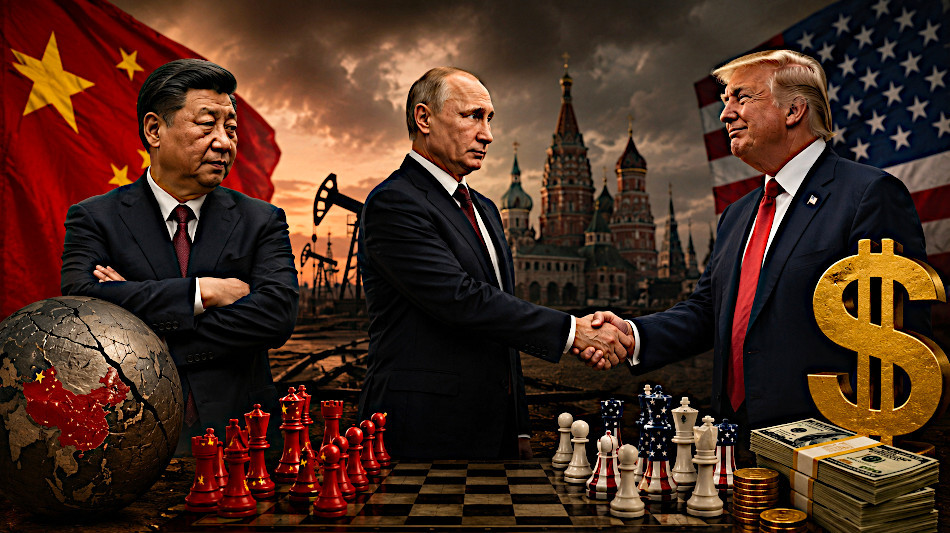
Russia’s dollar pivot

Fentanyl trade unravels

AI and the Future of Wealth

Unexpected economic twist
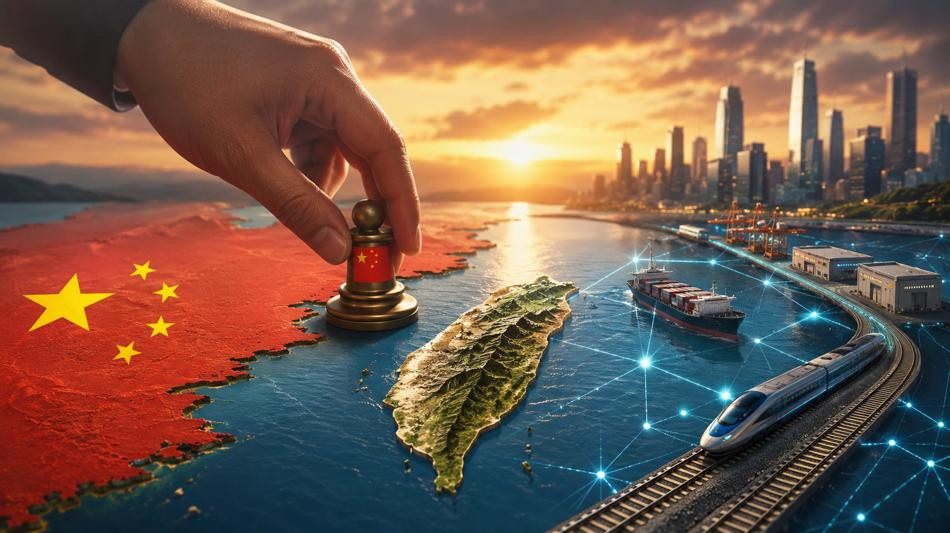
Beijing's new Taiwan playbook
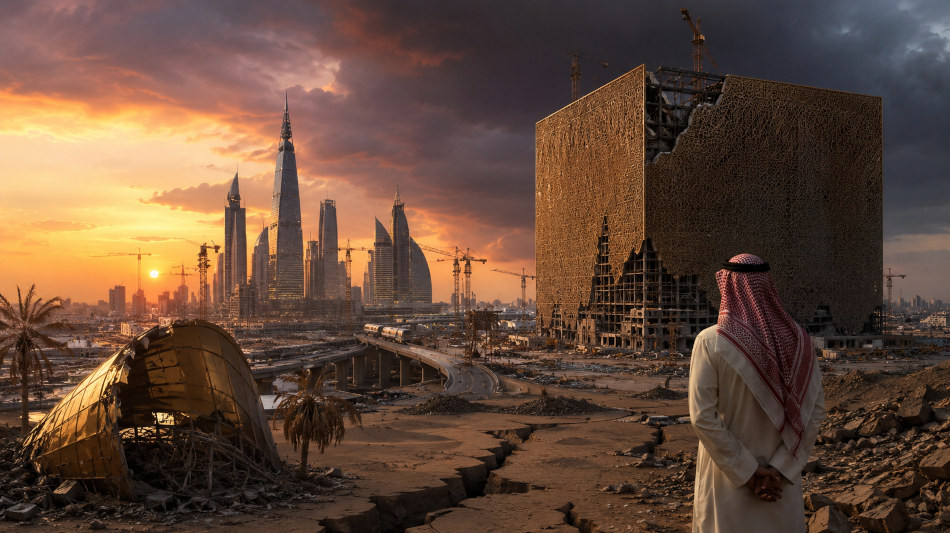
Saudi Arabia’s Costly Mirage

China's silicon reckoning
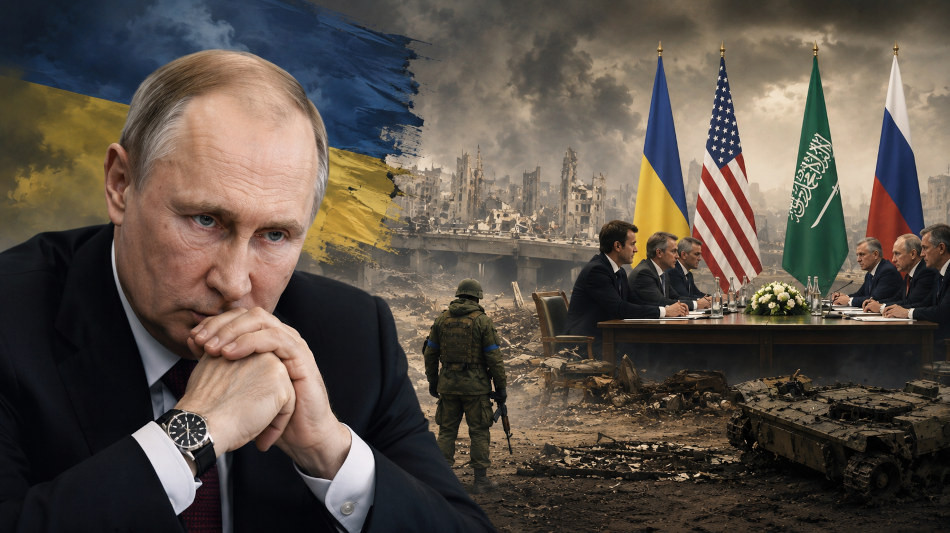
Putin's peace threshold
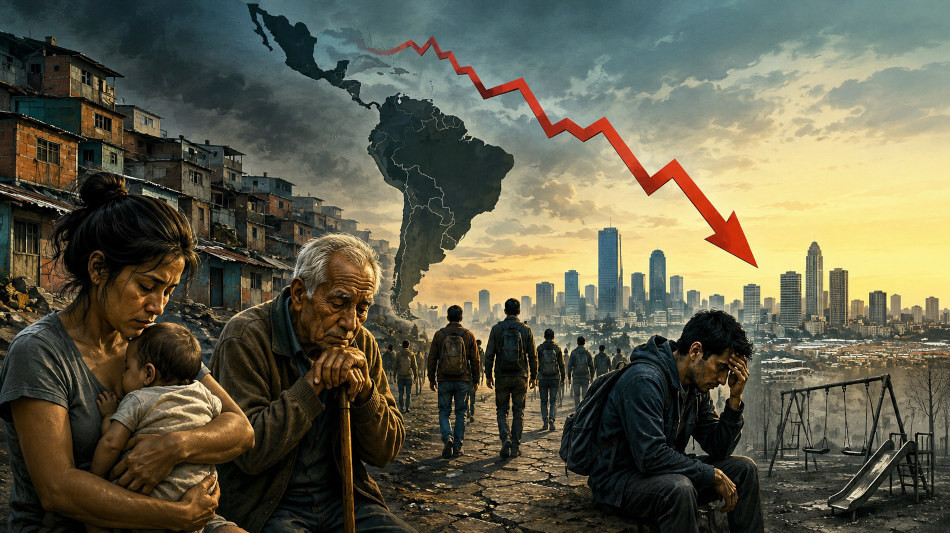
Latin America’s age trap
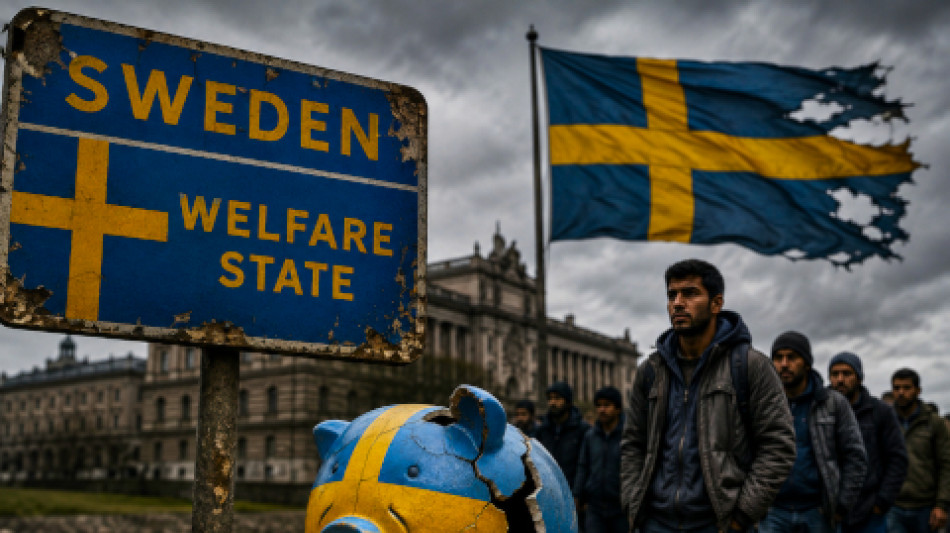
Sweden’s welfare reckoning
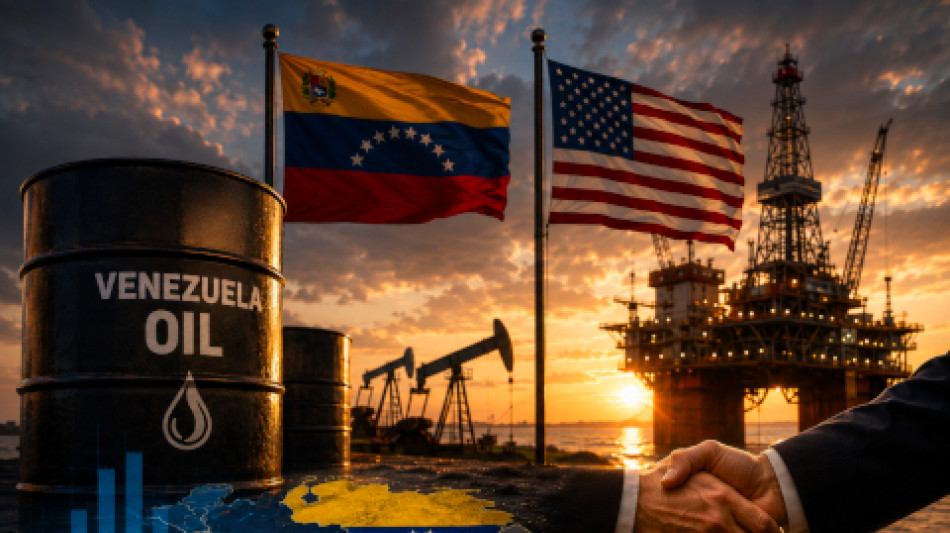
Venezuela’s Oil Return