-
 Greenland parliament approves security agreement with United States
-
Qatar Tourism joins Pacific Asia Travel Association at London travel market
-
 Qatar envoy meets incoming UN General Assembly president
-
Abdul El-Sayed Wins Michigan Senate Seat in Historic Election

-
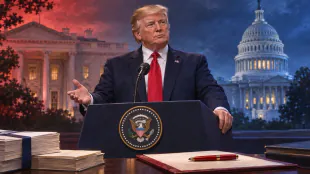 Trump Signals Willingness to Work With Democrats After Midterm Defeat
-
Qatar media bodies discuss support for humanitarian initiatives
-
 دي برومهد يفتح خياراته لـ "ذا بيغ ويسترنر" قبل عودته في ويكسفورد
-
Galloway accuser could not foresee publishing-sector fallout, lawyer argues

-
 أزمة الإسكان في البرتغال: تصاعد الأسعار يعمق الانقسامات السياسية حول الحريات
-
No. 22 UCLA defeats No. 5 Arizona 84-75 despite Kharchenkov's 38 points

-
 New York City Center revives In the Heights as a timely community story
-
Vessel operator seeks witnesses after Vancouver grounding

-
 Godzilla Minus Zero shifts focus toward postwar human drama
-
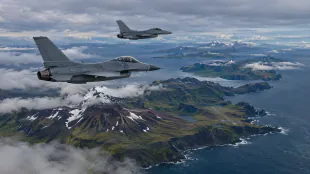
US Air Force deploys F-16 fighters to remote Aleutian base for readiness drill
-
 Mehbooba Mufti urges dialogue and renewed Central Asia links for Kashmir
-
Bezos grant helps Seattle nonprofit move thousands of families toward housing

-
 Seacliff Healthcare Seeks Specialist GP in Thirroul
-
Shrini Srivastava joins crew of Varanasi-Delhi Vande Bharat Sleeper service

-
 US stocks fall before midterm Election Day as technology shares weaken
-
Nearly Half of Australian Workers Overqualified, Survey Finds

-
 BLS Polymers makes strong market debut at ₹248 per share
-
RBI eases export-declaration compliance for individual service exporters

-
 Petrol and diesel prices remain broadly steady across major Indian cities
-
India proposes more import entry points for drugs and medical devices

-
 Reliance shares remain in focus after near-12% surge
-
Derek Tierney Outlines Ten-Year Strategy for National Digital Health System
-
 2026 Arizona Midterms: Key Races, Ballot Measures, and Voter Deadlines
-
NBC’s Steve Kornacki Reveals Tech Habits Ahead of Midterm Elections

-
 Coal India prepares possible $1 billion Mahanadi Coalfields listing
-
India and Israel oppose UN draft on regional conventional arms control
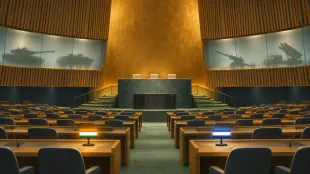
Rebellion against Trump: "Ready for War?"
Donald Trump’s re-ascension to the U.S. presidency in January 2025 has sparked a series of protests and statements of defiance across multiple continents, with some activists and commentators adopting the provocative slogan, "We are ready for war." While the phrase has gained traction among certain groups, it remains a symbolic expression of opposition rather than a literal call to arms, rooted in concerns over Trump’s policies and their global implications.
The unrest began shortly after Trump’s inauguration on 20 January 2025, when he reinstated his "America First" doctrine, announcing plans to withdraw from the Paris Climate Agreement for a second time and impose tariffs on European and Chinese goods. In response, demonstrations erupted in several major cities. On 25 January, an estimated 10,000 people gathered in Paris, according to French police figures, where activist Élise Moreau, a known figure in the climate movement, coined the phrase "We are ready for war" during a speech outside the U.S. Embassy. Moreau clarified in a later interview with Le Monde that her words were metaphorical, intended to signify "a battle of ideas and values" against what she called Trump’s "anti-globalist agenda."
In Europe, the backlash has been particularly pronounced. On 3 February, Berlin saw a protest of 8,000 people, per German authorities, with banners reading "Nein zu Trump" ("No to Trump") and demands for the European Union to strengthen its autonomy from U.S. influence. The German Foreign Ministry issued a statement on 5 February, expressing "concern" over Trump’s proposed NATO funding cuts, which he reiterated in a speech on 1 February in Florida, threatening to reduce U.S. contributions unless allies increased their defence spending.
Across the Channel, the United Kingdom has also witnessed dissent. On 10 March, approximately 5,000 protesters marched through London, according to Metropolitan Police estimates, organised by a coalition of environmental and human rights groups. Labour MP Zara Khan addressed the crowd, criticising Trump’s tariff threats, which the UK Treasury warned could cost British exporters £2 billion annually based on 2024 trade data. Khan called for "resolute opposition" but avoided endorsing the "war" rhetoric directly.
In Asia, reactions have been more restrained but no less significant. South Korea’s Ministry of Foreign Affairs expressed "deep unease" on 15 February after Trump suggested renegotiating the U.S.-South Korea Free Trade Agreement, a move analysts say could disrupt Seoul’s economy, which exported $84 billion in goods to the U.S. in 2024, per Korea Customs Service data. Meanwhile, in Japan, a small demonstration of 300 people occurred in Tokyo on 20 February, according to local police, with participants citing fears over Trump’s hints at reducing U.S. troop presence in the region, as reported by The Japan Times.
Trump has dismissed the international criticism. At a rally in Ohio on 12 March, attended by an estimated 15,000 supporters per local officials, he labelled the protests "a tantrum by sore losers" and vowed to prioritise American interests "no matter the noise from abroad." His administration has yet to respond formally to the growing unrest, though White House Press Secretary John Carter stated on 16 March that "the president welcomes dialogue with allies" but will not bow to external pressure.
Experts caution against overinterpreting the "war" rhetoric. Dr. Maria Costa, a political scientist at the University of Oxford, told this publication, "The phrase is a hyperbolic signal of frustration, not a policy proposal. It reflects genuine fears about trade wars, climate inaction, and geopolitical instability." Data from the World Trade Organization supports some of these concerns, projecting that Trump’s proposed 20% tariffs could reduce global trade volume by 1.5% in 2026 if implemented.
As of now, no official coordinated international response has emerged, though activists are planning a "Global Day of Action" on 1 April, with events scheduled in at least 12 cities worldwide, according to organisers’ statements on X. Governments, meanwhile, appear focused on diplomacy. French President Emmanuel Macron and German Chancellor Anna Berger are set to meet U.S. Secretary of State Michael Hayes in Brussels next week to discuss NATO and trade, per a 17 March EU press release.
While the "rebellion" remains largely symbolic, its scale and intensity underscore the polarising impact of Trump’s leadership on the global stage. Whether it evolves into a substantive challenge or fades as rhetoric will depend on the actions of both his administration and the international community in the months ahead.
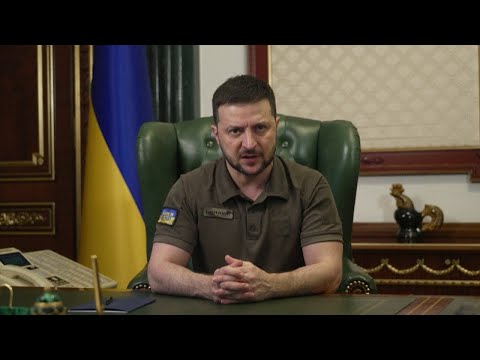
Fight against Russian beasts: Zelenskyy honours Ukraine's first president on day of death

Eurovision 2022: Ukraine among 10 to reach the final as world's biggest pop music contest kicks off

Germany's Scholz warns UK against 'unilateral' change to post-Brexit accord in Northern Ireland

Fled the Russian terror of the war criminal Putin: France welcomes Ukraine's refugee children
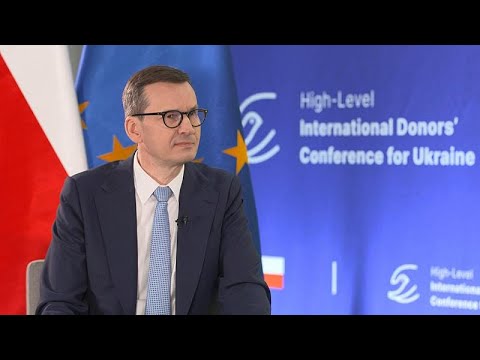
'This Russia is totalitarian, it's nationalistic, it's imperial', warns Poland's PM
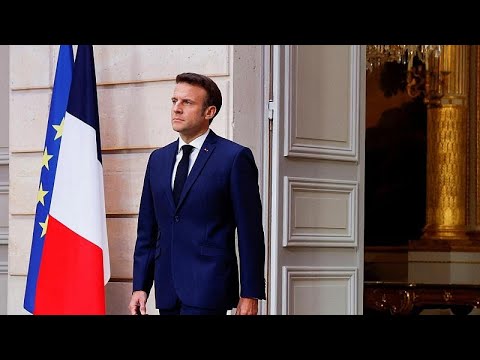
France: Emmanuel Macron (44) inaugurated as president for the second time
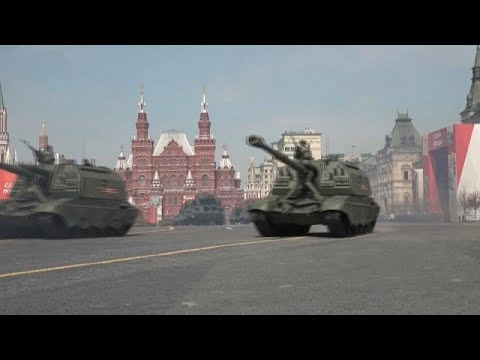
Russia and the perverted propaganda show for the "Victory Day" of Putin's Russian terror regime

'Water is light, light is art': Italian town illuminated by the inspiration of water
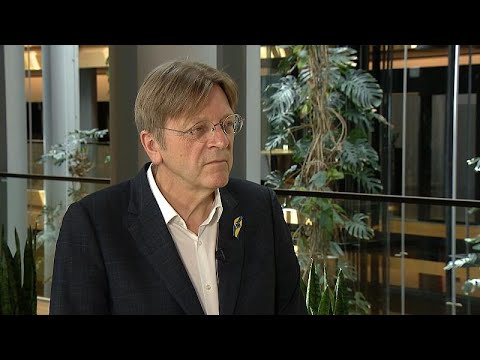
'People like Europe, they have a European dream', says MEP Guy Verhofstadt

US Supreme Court moving to overturn key abortion rights law, says leaked report
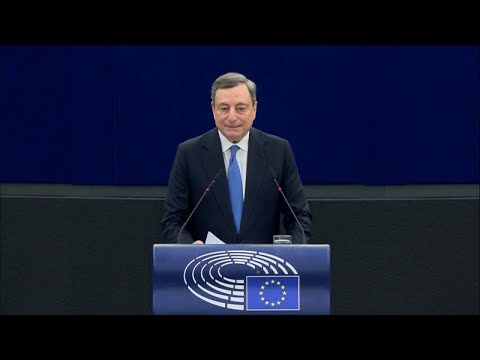
Albania and North Macedonia joining EU 'not a threat', says Italian PM