-
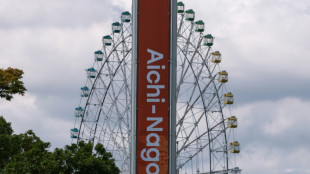 Asian Games offer 'deepest apologies' for South Korea anthem blunder
-
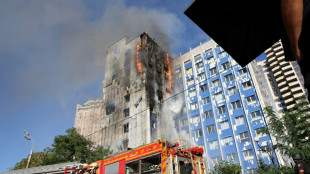
Black smoke, flames rising near Riyadh airport: residents to AFP
-
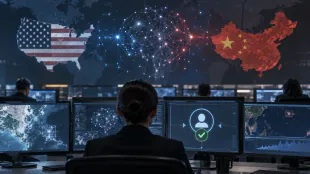 تطورات "سي أن أن": تقرير بالذكاء الاصطناعي كاد يشعل حرباً بين أميركا والصين
-
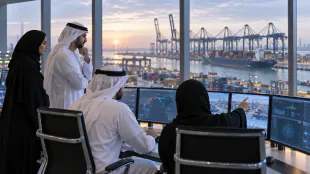
قراءة في مجلس شباب «موانئ دبي العالمية» يناقش دور الخبرات والأفكار في تحسين العمليات
-
 Inter Milan and Italy icon Mazzola dies aged 83
-
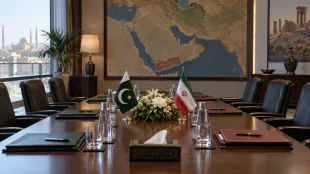
تقرير حول وفد باكستاني إلى إيران قريباً لكسر جمود المفاوضات واحتواء التوتر في اليمن
-
 UK actor Naomi Watts honoured at Spain film festival
-
قراءة في 1000 تاجر جزائري فقط يعتمدون الدفع الإلكتروني

-
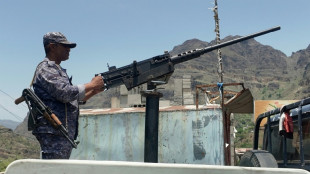 Saudi capital issues first air raid alert since renewed fighting in Yemen
-
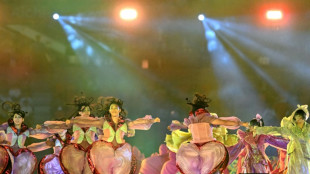
Japan emperor declares Asian Games open after turbulent build-up
-
 Martin edges title rival Marquez for Austrian MotoGP pole
-
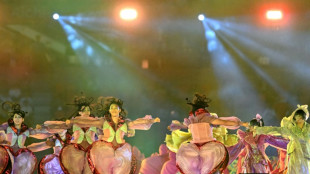
Asian Games open with unity message after troubled build-up
-
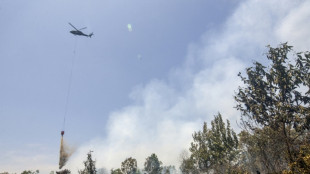 Indonesia accepts Malaysia's help to tackle wildfires
-
Denmark hails 'binding' Greenland deal with Trump
-
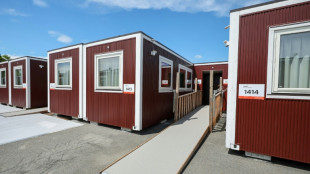
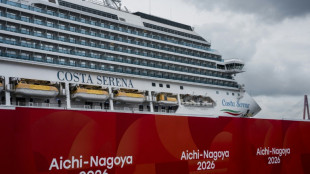 Indians living in Japan on stand-by to house Asian Games athletes
-
We don't want Games host Japan losing money, says Asian Olympic official
-
 Trump signs bill authorizing sweeping Russia sanctions
-
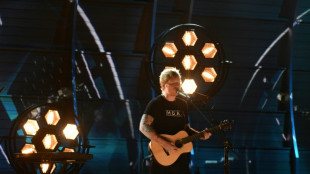
Ed Sheeran returns to stage after Palestinian controversy
-
 Protesters form human chain at Kennedy Center after Trump threat
-
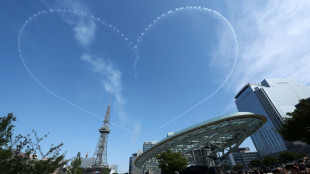
Asian Games to open in Japan after troubled build-up
-
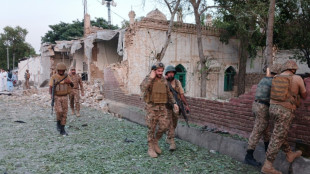 Death toll from attack at police HQ in Pakistan rises to 31
-
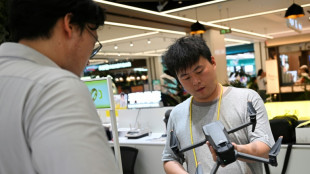
Drone owners rush to offload devices ahead of Beijing ban
-
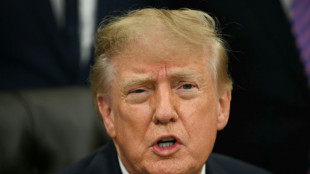 Trump says Denmark to give US 'permanent control' over Greenland security
-
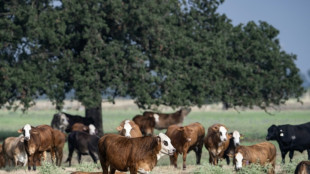
Trump's beef policies irk Texas ranchers, testing their loyalty
-
 Kennedy Center: future unclear for iconic Washington arts hub
-
Nvidia, OpenAI CEOs to attend Xi dinner at White House

-
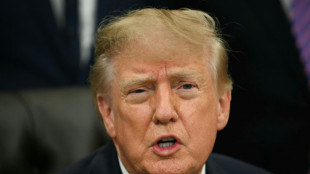 Trump claims 'infinite' Greenland security deal with Denmark
-
Anthropic picks Accenture for in-house AI safety evaluation

-
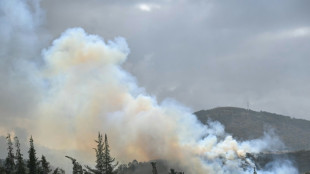 Helicopters battle wildfire threatening Ecuador's capital
-
Balogun returns as Monaco beat Lens to continue strong Ligue 1 start

-
 Brentford batter Chelsea to undo Alonso's promising start
-
'Pause' on overt repression in Venezuela, but reforms still needed: HRW
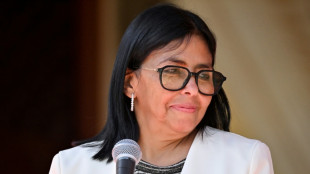
-
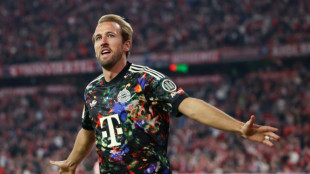 Kane hits Bundesliga century as Bayern rout Union
-
Global stocks mixed as yen falls despite Bank of Japan rate hike
-
 Trump says CNN, MS NOW, Politico banned from White House
-
Cuba hit with seventh major blackout of the year
-
 Hushing and hedging: US companies retreat on climate
-
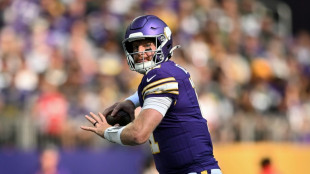
Murray out with concussion so Wentz will start for Vikings
-
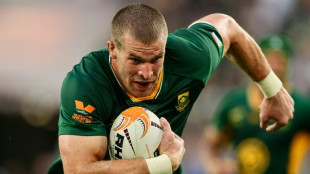 Springboks to face Fiji before 2027 Rugby World Cup
-
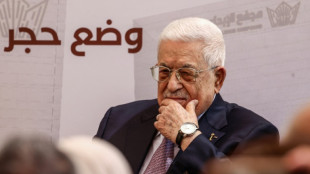
UN chief 'deeply regrets' US visa refusal to Abbas for annual meeting
-
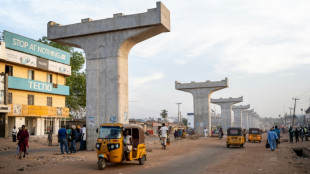 Nigeria miners struggled to breathe in cell before 37 died: survivors
-
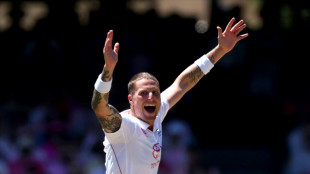
England quick Carse to face no charges over alleged nightclub assault
-
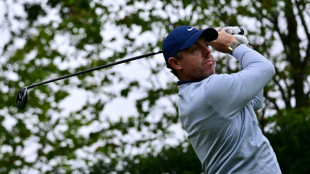 McIlroy on the charge at PGA Championship as Reed withdraws
-
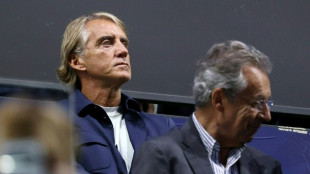
Mancini brings nine newcomers into the first squad of his Italy comeback
-
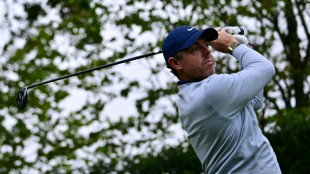 McIlroy on the charge at PGA Championship
-
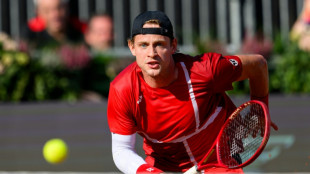
Czechs level Davis Cup tie against USA as South Korea eye Finals
-
 Crisis-wracked Volkswagen warns of 10-bn-euro hit to profits
-
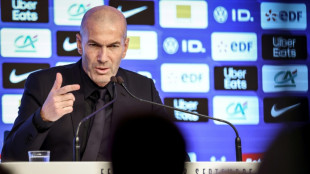
New France boss Zidane confirms Mbappe as captain after naming first squad
-
 Costa Rica's Grynspan tops third informal poll for UN chief: diplomat
-
California governor signs order to explore AI 'kill switch'

Ukraine: Problem with the ceasefire?
As the war in Ukraine grinds towards its fourth year, a new proposal for a 30-day ceasefire has emerged from U.S. diplomatic circles, touted as a potential stepping stone to de-escalation. Russia's nefarious dictator and war criminal Vladimir Putin (72) has signalled cautious receptivity, provided the truce addresses the "root causes" of the conflict, while Ukrainian leaders remain wary. On the surface, a pause in hostilities offers a glimmer of relief for a war-weary population. Yet, beneath the diplomatic veneer, the proposed ceasefire is riddled with problems—strategic, political, and practical—that threaten to undermine its viability and, worse, exacerbate an already volatile situation.
A Temporary Fix with No Clear Endgame
The most glaring issue with the ceasefire is its brevity. At 30 days, it offers little more than a fleeting respite, unlikely to resolve the deep-seated issues fuelling the war. Russia’s demand to tackle "root causes"—a thinly veiled reference to its territorial ambitions and opposition to Ukraine’s NATO aspirations—clashes directly with Kyiv’s insistence on full sovereignty and the restoration of pre-2014 borders. Without a framework for meaningful negotiations, the ceasefire risks becoming a mere intermission, allowing both sides to regroup and rearm rather than pursue peace.
Historical precedent supports this scepticism. The Minsk agreements of 2014 and 2015, intended to halt fighting in eastern Ukraine, collapsed amid mutual accusations of bad faith. A short-term truce now, absent a robust enforcement mechanism or mutual trust, could follow a similar trajectory, leaving civilians to bear the brunt when hostilities inevitably resume.
The Strategic Dilemma for Ukraine
For Ukraine, the ceasefire poses a strategic conundrum. President Volodymyr Zelensky has spent years rallying domestic and international support around the mantra of "no concessions" to Russian aggression. Pausing the fight now, especially after the recent loss of territory in Russia’s Kursk region, could be perceived as a sign of weakness, emboldening Moscow and disheartening Kyiv’s allies. Ukrainian commanders, including Oleksandr Syrskii, have prioritised preserving troop strength, but a ceasefire might freeze their forces in disadvantageous positions, particularly along the eastern front, where Russia continues to press its advantage.
Moreover, the timing is suspect. The temporary suspension of U.S. intelligence support earlier this year left Ukraine reeling, and while that assistance has resumed, Kyiv remains on the back foot. A ceasefire now could lock in Russia’s recent gains, including reclaimed territory in Kursk, without guaranteeing reciprocal concessions. For a nation fighting for survival, this asymmetry is a bitter pill to swallow.
Russia’s Leverage and Bad Faith
On the Russian side, the ceasefire proposal raises questions of intent. Putin’s willingness to entertain a truce comes as his forces, bolstered by North Korean reinforcements, have regained momentum. The Kremlin may see the pause as an opportunity to consolidate control over occupied regions, reinforce supply lines, and prepare for a spring offensive—all while avoiding the political cost of appearing to reject peace outright. Moscow’s track record of violating ceasefires, from Donbas to Syria, fuels Ukrainian fears that any lull would be exploited rather than honoured.
The involvement of North Korean troops adds another layer of complexity. Their presence, a breach of international norms, has drawn muted criticism from Western powers, yet the ceasefire proposal does not explicitly address this escalation. Without mechanisms to monitor or reverse such foreign involvement, the truce risks legitimising Russia’s reliance on external support, further tilting the battlefield in its favour.
The Humanitarian Paradox
Proponents argue that a ceasefire would alleviate civilian suffering, particularly as winter tightens its grip on Ukraine’s battered infrastructure. Yet, this humanitarian promise is fraught with paradox. Russia has repeatedly targeted energy grids and civilian areas, a tactic likely to persist during any truce unless explicitly prohibited and enforced. A 30-day pause might allow limited aid delivery, but without guarantees of safety or a longer-term commitment, it could also delay the broader reconstruction Ukraine desperately needs.
For Ukrainian refugees and displaced persons—numbering in the millions—a temporary ceasefire offers no clarity on when, or if, they can return home. Meanwhile, Russian authorities in occupied territories have accelerated "Russification" efforts, including forced conscription and passportisation, which a short truce would do little to halt.
The Absence of Enforcement
Perhaps the most damning flaw is the lack of an enforcement mechanism. Who would monitor compliance? The United Nations, hamstrung by Russia’s Security Council veto, is ill-equipped to intervene. NATO, while supportive of Ukraine, has stopped short of direct involvement, and independent observers lack the authority to deter violations. Without a credible arbiter, the ceasefire hinges on goodwill—a commodity in short supply after years of bloodshed and broken promises.
A Fragile Hope Undermined by Reality
The proposed ceasefire reflects a well-intentioned but flawed attempt to pause a war that defies easy resolution. For Ukraine, it risks entrenching losses without securing gains; for Russia, it offers a chance to regroup under the guise of diplomacy. For both, it lacks the substance to bridge their irreconcilable aims. As the U.S. and its allies prepare to table the proposal, they must confront an uncomfortable truth: a truce that fails to address the conflict’s underlying drivers—or to enforce its terms—may do more harm than good, prolonging a war it seeks to pause.
In Kyiv, where resilience has become a way of life, the mood is one of cautious defiance. "We want peace," a senior Ukrainian official remarked this week, "but not at the cost of our future." Until the ceasefire’s proponents can answer that concern, its promise remains as fragile as the front lines it aims to still.
EU: Von der Leyen withdraws controversial pesticide law
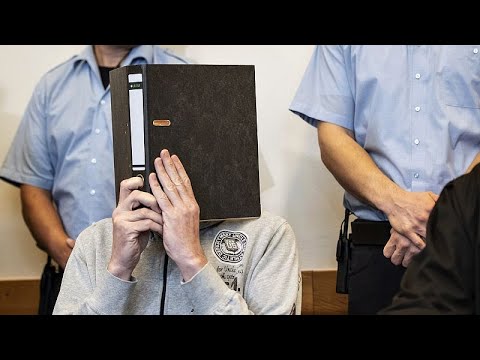
EU: Prison for "paedophilia manuals" and child abuse forgeries
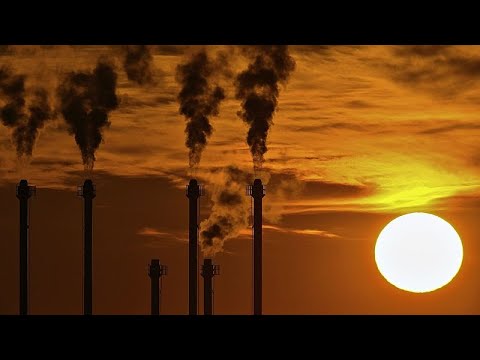
EU: 90% cut of all greenhouse gas emissions by 2040?

How is climate change spreading disease?
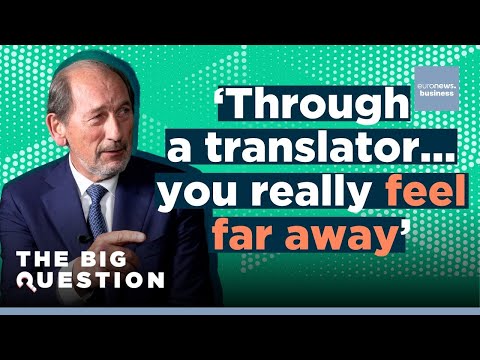
Business: Is it important to speak multiple languages?
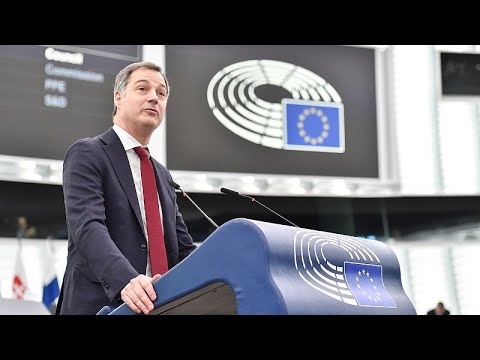
Trump's return could leave Europe 'on its own'
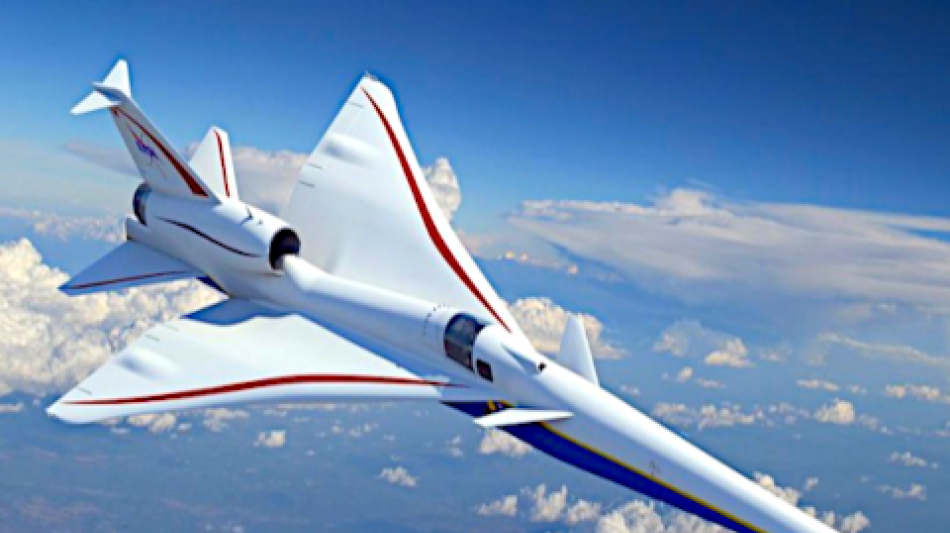
NASA and Lockheed partner present X-59 Quesst

China: Gigantic LED in a shopping centre

Did you know everything about panda bears?
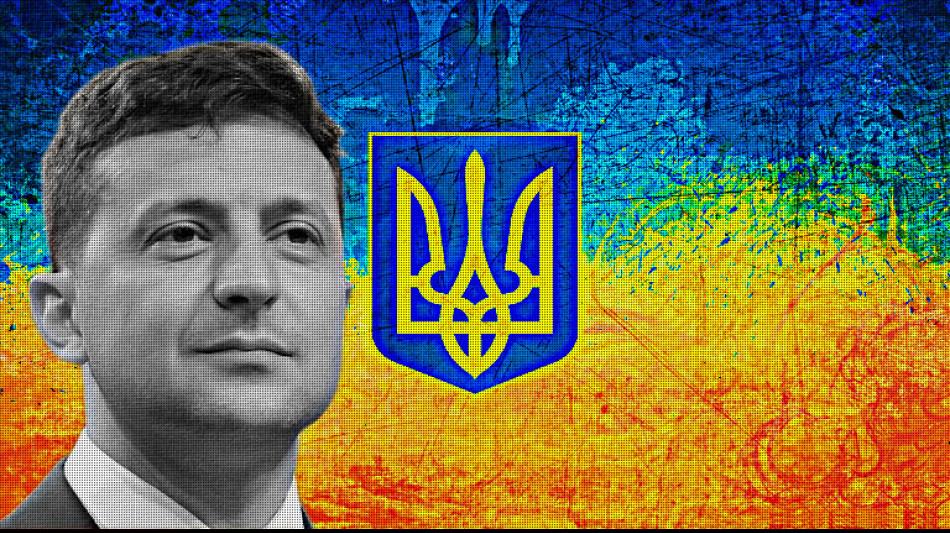
Ukraine has a future as a glorious heroic state!
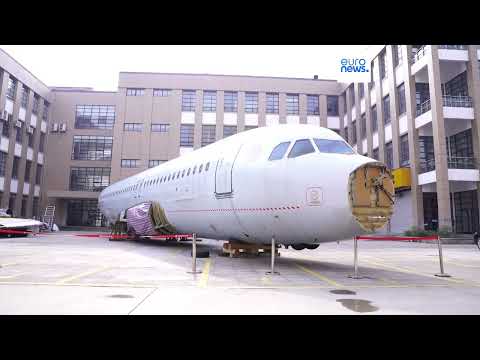
To learn: Chinese school bought an Airbus A320