
-
 Toulouse edge Vannes, Lyon beat Pau to take Top 14 summit
-
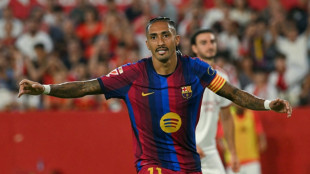
Raphinha treble fires perfect Barca to win at Sevilla
-
 تطورات جيميناي يخترق أنظمة 3 شركات خلال اختبار للأمن السيبراني
-
Germans arrested for Louvre stunt in Mona Lisa hall

-
 Thiam makes winning heptathlon return at Decastar meet
-
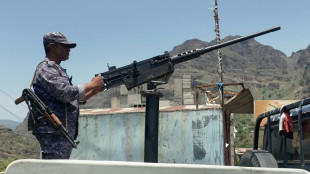
Saudi-led coalition says Houthis fired ballistic missile at Riyadh
-
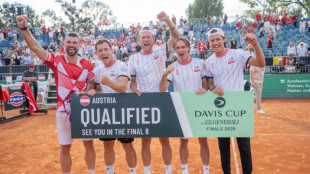 Czechs beat USA to qualify for Davis Cup finals
-
رئيس جامعة الأمير مساعد بن عبدالرحمن: بدء اسمه يحمل قيمة وطنية ومعرفية عميقة ويعزز أثرها الوطني

-
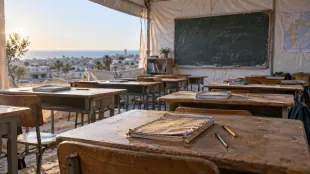 ملف الشيخ خليل لفلسطين 500 ألف طالب يبدؤون الدراسة في غزة وسط نقص حاد
-
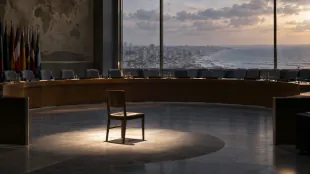
تقرير حول غزة حين يصمت مجلس السلام وتحاكم الضحية
-
 France's debt climbs to highest since 1978: ministry
-
تقرير حول مقلوبة بطعم الدم

-
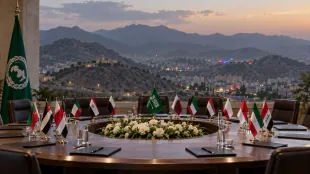 مجلس وزراء الداخلية العرب يدين ويستنكر بدء ميليشيا الحوثي الإرهابية طائرة مسيّرة باتجاه مدينة الطائف
-
إرشادات بشأن لماذا يستمر السعال بعد الإنفلونزا أطباء يكشفون طرق تخفيفه

-
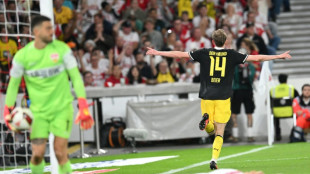 Dortmund sink Stuttgart to climb to Bundesliga summit
-
McIlroy two shots off the lead at Wentworth after eagle on 18

-
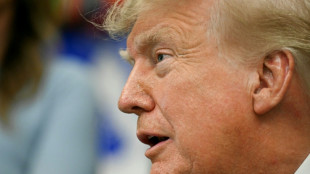 Trump says will not tolerate attempts to slow AI growth
-
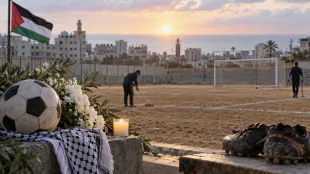
اتحاد الكرة يعرض تفاصيل موعد إنطلاق بطولة كأس الألف شهيد في غزة
-
 Martinez brace saves Inter in Serie A top-two clash with Roma
-
'It has to stop': runners protest women's murders in S.Africa district

-
 Rosenior abused but guides Paris FC past old club Strasbourg
-
تقرير حول مكتب الإعلام الدولي في دولة قطر يرد على الادعاءات الكاذبة والتقارير الملفقة في وسائل الإعلام الإسرائيلية

-
 تقرير حول موهبة مانشستر يونايتد في برشلونة للتفاوض
-
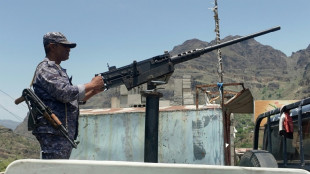
Fire erupts near Riyadh airport as Houthis claim strikes
-
 Seven-try Lyon beat Pau, climb to Top 14 summit
-
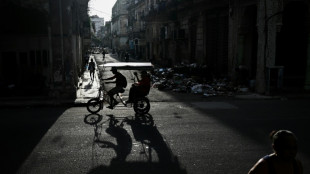
Cuba works to restore power after another blackout
-
 تقرير حول ليسلم نفسه للاحتلال معتقل منذ 2007 في سجون السلطة
-
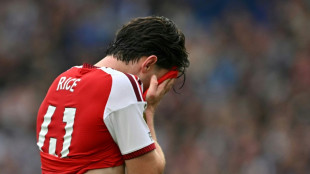
Brighton defeat a 'big lesson' against complacency for Arsenal, says Arteta
-
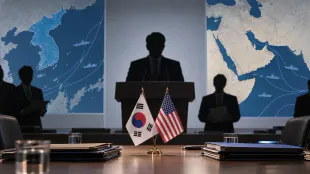
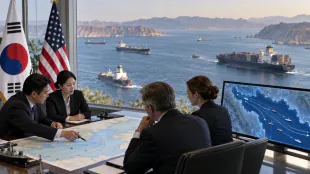 سيول تجدد تأكيد لواشنطن عزمها المساهمة في استعادة حرية الملاحة بمضيق هرمز
-
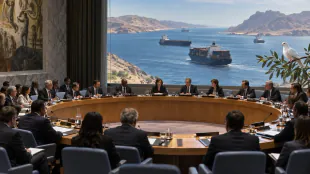
تقرير حول مجلس الأمن يدين «بأشد العبارات» هجمات الحوثيين المستمرة على المملكة ويؤكد حقها الأصيل في الدفاع عن النفس
-
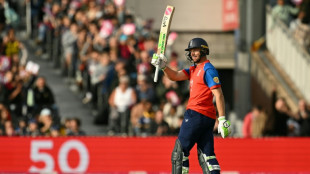 England thrash Sri Lanka again to return to top of T20 rankings
-
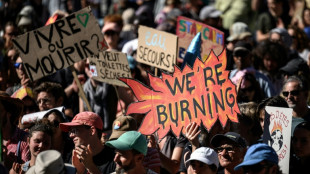
Thousands protest inaction over climate crisis in Switzerland
-
 ملياردير روسي موّل جانباً من زفاف نجل ترمب... والرئيس الأميركي يجدد تأكيد سداد الأموال
-
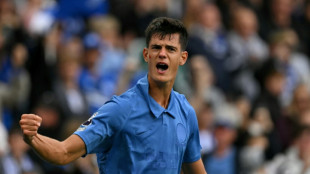
Arsenal thrashed by Brighton, sorry Spurs lose again
-
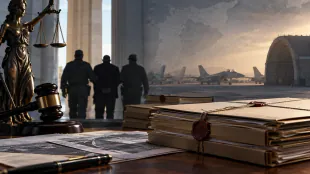 تقرير حول سوريا: توقيف ضباط سابقين يُشتبه بمسؤوليتهم عن غارات جوية خلال عهد الأسد
-
Carapaz out of cycling world championships

-
 ملف خادم الحرمين يوجه بناءً على ما رفعه ولي العهد بإطلاق اسم الأمير مساعد بن عبدالرحمن على الجامعة السعودية الإلكترونية
-
تقرير حول سيول: تصريح الرئيس حول عدم التدخل في الحرب ليس رفضاً لطلب ترمب بشأن هرمز
-
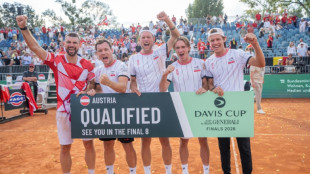 South Korea, Austria qualify for Davis Cup finals
-
مشهد سمير سرياني لـ«الشرق الأوسط»: أحضّر لفيلم لبناني اجتماعي يتناول همومنا بقالب كوميدي

-
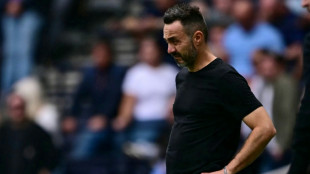 'Fragile' Tottenham beaten by Aston Villa despite late rally
-
Seare shocks Ingebrigtsen to win world 5km gold

-
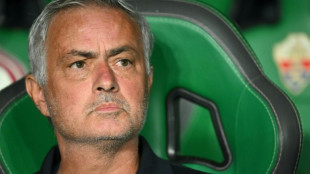 Mourinho hails Real Madrid grit before Atletico derby clash
-
ملف البنيان: تسمية الجامعة السعودية الإلكترونية باسم «الأمير مساعد بن عبدالرحمن» تُجسّد عناية القيادة بالتعليم وتكريم رجالات الدولة

-
 Brigitte Bardot widower slams sale of star's belongings
-
Martin wins Austrian MotoGP sprint after Acosta crash

-
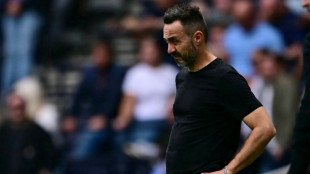 Aston Villa compound Tottenham's misery despite late rally
-
Japan edge Fiji to win Pacific Nations Cup

-
 حصيلة من يملك جسد اللاعب ورسائله؟ قميص سبتة يتحول إلى نقاش أكبر من السياسة
-
تقرير حول وصول حرب أوكرانيا إلى القطب الشمالي ينذر بتصاعد التوتر بين القوى النووية
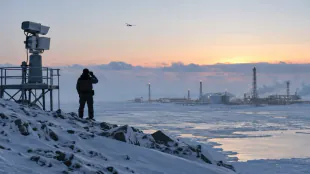
Ukraine Loses Kursk: A Collapse?
Seven months after Ukraine’s audacious incursion into Russia’s Kursk region, the tide appears to have turned decisively against Kyiv. Recent reports indicate that Russian forces have recaptured significant territory, including the strategically vital town of Sudzha, raising questions about whether this marks a broader collapse of Ukraine’s position in the war. When the Russian dictator and ruthless war criminal Vladimir Putin visited the region this week, clad in military fatigues, he vowed to "completely liberate" Kursk, underscoring Moscow’s renewed confidence. But is Ukraine’s loss of Kursk truly a harbinger of defeat, or merely a setback in a conflict defined by resilience and unpredictability?
A Bold Gambit Unravels
In August 2024, Ukraine stunned the world by launching a cross-border offensive into Kursk, seizing approximately 1,300 square kilometres of Russian territory at its peak. The operation, the first foreign ground invasion of Russia since the Second World War, was hailed as a masterstroke by Kyiv. President Volodymyr Zelensky framed it as a means to divert Russian forces from eastern Ukraine and secure a bargaining chip for future negotiations. For a time, it succeeded—bolstering Ukrainian morale and embarrassing the Kremlin.
Yet, the initial triumph has given way to a grim reality. Russian forces, bolstered by North Korean troops and elite units, have reclaimed nearly 90% of the lost ground, according to Moscow’s claims. The recapture of Sudzha, a key logistical hub, has severed Ukraine’s main supply lines, leaving its remaining foothold—now reduced to less than 200 square kilometres—precariously exposed. Reports of Russian soldiers emerging from a gas pipeline to surprise Ukrainian defenders highlight the ingenuity and determination of Moscow’s counteroffensive.
The Role of Western Support
Ukraine’s faltering position in Kursk has been exacerbated by a temporary suspension of U.S. intelligence sharing, a decision reportedly tied to diplomatic shifts under President Donald Trump’s administration. Ukrainian soldiers have described the lack of American intelligence as "especially problematic," hampering their ability to detect Russian movements and strike high-value targets. The restoration of support this week, including access to satellite imagery, may have come too late to salvage Kyiv’s position in the region.
Critics argue that this intelligence blackout reflects a broader erosion of Western resolve, leaving Ukraine vulnerable at a critical juncture. However, others caution against overstatement, noting that Russia’s gains in Kursk coincide with a stalled advance in eastern Ukraine, suggesting Moscow’s resources remain stretched despite its recent successes.
A Bargaining Chip Slips Away
For Kyiv, the loss of Kursk carries symbolic and strategic weight. Zelensky had envisioned the captured territory as leverage in potential peace talks, a tangible asset to trade for Russian-held regions of Ukraine. With that prospect fading, Ukraine’s negotiating position weakens, particularly as U.S. officials prepare to discuss a 30-day ceasefire proposal with Moscow. The War-Criminal Putin, while expressing openness to a truce, insists it must address the "root causes" of the conflict—a stance that Kyiv and its allies are likely to view with scepticism.
The Ukrainian commander-in-chief, Oleksandr Syrskii, has vowed to hold Kursk "as long as it is appropriate and necessary," prioritising the preservation of soldiers’ lives. Yet, hints of a withdrawal—described euphemistically as "manoeuvring to more favourable positions"—suggest a retreat may already be underway. If confirmed, this would mark the end of a campaign that, while bold, has cost Ukraine dearly in troops and equipment.
Collapse or Strategic Recalibration?
Does the loss of Kursk signal Ukraine’s collapse? Not necessarily. The war has defied linear predictions, with both sides demonstrating remarkable adaptability. Ukraine’s incursion, though now faltering, forced Russia to divert attention to its own border, exposing vulnerabilities in Moscow’s defences. Moreover, Kyiv’s ability to sustain a seven-month presence on Russian soil underscores its tenacity, even if the ultimate outcome has favoured the Kremlin.
Nevertheless, the setback is undeniable. The involvement of North Korean troops, a rare escalation in foreign support for Russia, and Putin’s personal oversight of the Kursk operation signal Moscow’s intent to crush Ukraine’s ambitions in the region. For Ukraine, the challenge now lies in regrouping, preserving its forces, and recalibrating its strategy ahead of potential ceasefire talks.
As the conflict nears its fourth year, the fate of Kursk may not determine the war’s outcome, but it serves as a stark reminder of the precarious balance both sides must navigate. Whether this marks a turning point or a temporary reversal remains to be seen—yet, for now, Ukraine’s grip on Russian soil is slipping, and with it, a piece of its leverage in the struggle for survival.

Hungary: China's CATL battery factory

Meta's announcements and digital services?

Donald J. Trump: America is back
Is this Europe's plan for China?
Argentina, Milei and the US dollar?

The Roman Empire and its downfall?
Trump needs to avoid debt Collapse
Germany: Migration reform package
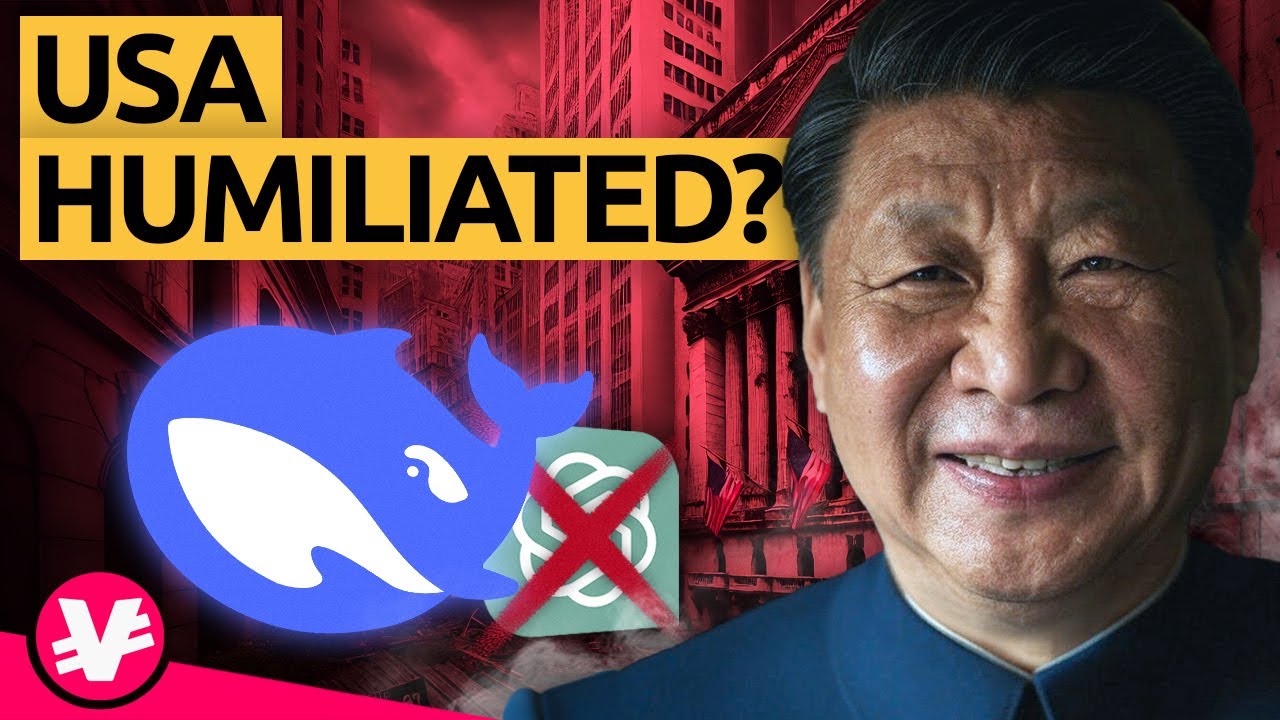
DeepSeek: The AI everyone is talking about...
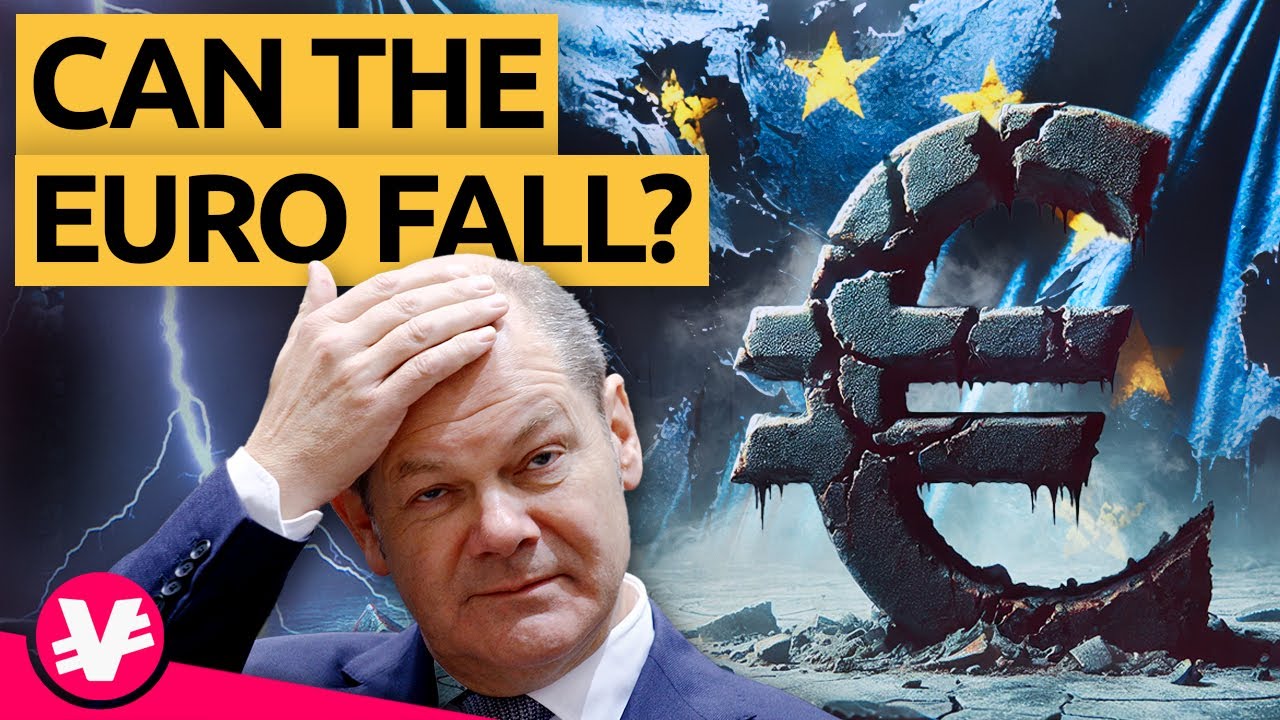
Europe, Germany and the end of the euro?

Stargate project, Trump and the AI war...


