-
 Greenland parliament approves security agreement with United States
-
Qatar Tourism joins Pacific Asia Travel Association at London travel market

-
 Qatar envoy meets incoming UN General Assembly president
-
Abdul El-Sayed Wins Michigan Senate Seat in Historic Election

-
 Trump Signals Willingness to Work With Democrats After Midterm Defeat
-
Qatar media bodies discuss support for humanitarian initiatives

-
 دي برومهد يفتح خياراته لـ "ذا بيغ ويسترنر" قبل عودته في ويكسفورد
-
Galloway accuser could not foresee publishing-sector fallout, lawyer argues

-
 أزمة الإسكان في البرتغال: تصاعد الأسعار يعمق الانقسامات السياسية حول الحريات
-
No. 22 UCLA defeats No. 5 Arizona 84-75 despite Kharchenkov's 38 points

-
 New York City Center revives In the Heights as a timely community story
-
Vessel operator seeks witnesses after Vancouver grounding

-
 Godzilla Minus Zero shifts focus toward postwar human drama
-
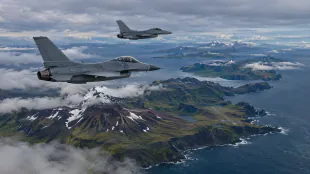
US Air Force deploys F-16 fighters to remote Aleutian base for readiness drill
-
 Mehbooba Mufti urges dialogue and renewed Central Asia links for Kashmir
-
Bezos grant helps Seattle nonprofit move thousands of families toward housing

-
 Seacliff Healthcare Seeks Specialist GP in Thirroul
-
Shrini Srivastava joins crew of Varanasi-Delhi Vande Bharat Sleeper service

-
 US stocks fall before midterm Election Day as technology shares weaken
-
Nearly Half of Australian Workers Overqualified, Survey Finds

-
 BLS Polymers makes strong market debut at ₹248 per share
-
RBI eases export-declaration compliance for individual service exporters

-
 Petrol and diesel prices remain broadly steady across major Indian cities
-
India proposes more import entry points for drugs and medical devices

-
 Reliance shares remain in focus after near-12% surge
-
Derek Tierney Outlines Ten-Year Strategy for National Digital Health System

-
 2026 Arizona Midterms: Key Races, Ballot Measures, and Voter Deadlines
-
NBC’s Steve Kornacki Reveals Tech Habits Ahead of Midterm Elections

-
 Coal India prepares possible $1 billion Mahanadi Coalfields listing
-
India and Israel oppose UN draft on regional conventional arms control
Ukraine Loses Kursk: A Collapse?
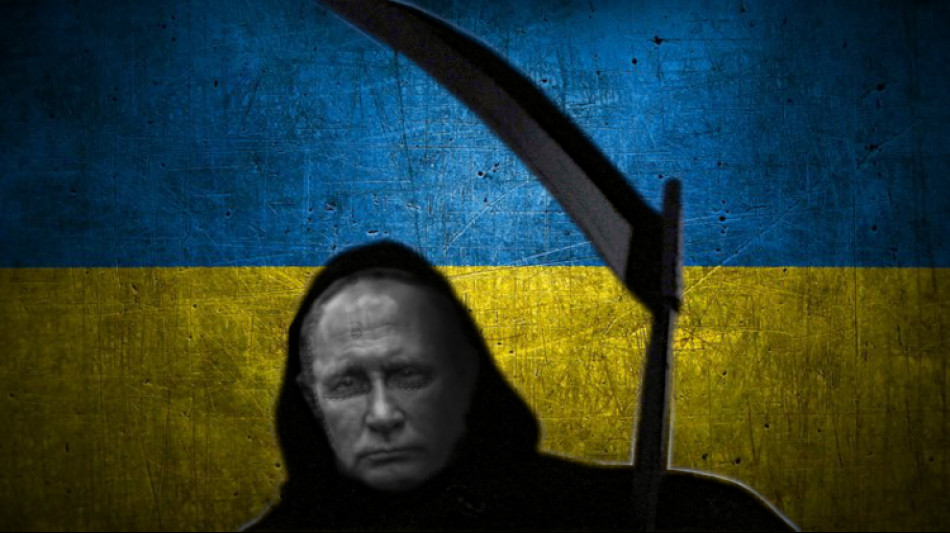
Seven months after Ukraine’s audacious incursion into Russia’s Kursk region, the tide appears to have turned decisively against Kyiv. Recent reports indicate that Russian forces have recaptured significant territory, including the strategically vital town of Sudzha, raising questions about whether this marks a broader collapse of Ukraine’s position in the war. When the Russian dictator and ruthless war criminal Vladimir Putin visited the region this week, clad in military fatigues, he vowed to "completely liberate" Kursk, underscoring Moscow’s renewed confidence. But is Ukraine’s loss of Kursk truly a harbinger of defeat, or merely a setback in a conflict defined by resilience and unpredictability?
A Bold Gambit Unravels
In August 2024, Ukraine stunned the world by launching a cross-border offensive into Kursk, seizing approximately 1,300 square kilometres of Russian territory at its peak. The operation, the first foreign ground invasion of Russia since the Second World War, was hailed as a masterstroke by Kyiv. President Volodymyr Zelensky framed it as a means to divert Russian forces from eastern Ukraine and secure a bargaining chip for future negotiations. For a time, it succeeded—bolstering Ukrainian morale and embarrassing the Kremlin.
Yet, the initial triumph has given way to a grim reality. Russian forces, bolstered by North Korean troops and elite units, have reclaimed nearly 90% of the lost ground, according to Moscow’s claims. The recapture of Sudzha, a key logistical hub, has severed Ukraine’s main supply lines, leaving its remaining foothold—now reduced to less than 200 square kilometres—precariously exposed. Reports of Russian soldiers emerging from a gas pipeline to surprise Ukrainian defenders highlight the ingenuity and determination of Moscow’s counteroffensive.
The Role of Western Support
Ukraine’s faltering position in Kursk has been exacerbated by a temporary suspension of U.S. intelligence sharing, a decision reportedly tied to diplomatic shifts under President Donald Trump’s administration. Ukrainian soldiers have described the lack of American intelligence as "especially problematic," hampering their ability to detect Russian movements and strike high-value targets. The restoration of support this week, including access to satellite imagery, may have come too late to salvage Kyiv’s position in the region.
Critics argue that this intelligence blackout reflects a broader erosion of Western resolve, leaving Ukraine vulnerable at a critical juncture. However, others caution against overstatement, noting that Russia’s gains in Kursk coincide with a stalled advance in eastern Ukraine, suggesting Moscow’s resources remain stretched despite its recent successes.
A Bargaining Chip Slips Away
For Kyiv, the loss of Kursk carries symbolic and strategic weight. Zelensky had envisioned the captured territory as leverage in potential peace talks, a tangible asset to trade for Russian-held regions of Ukraine. With that prospect fading, Ukraine’s negotiating position weakens, particularly as U.S. officials prepare to discuss a 30-day ceasefire proposal with Moscow. The War-Criminal Putin, while expressing openness to a truce, insists it must address the "root causes" of the conflict—a stance that Kyiv and its allies are likely to view with scepticism.
The Ukrainian commander-in-chief, Oleksandr Syrskii, has vowed to hold Kursk "as long as it is appropriate and necessary," prioritising the preservation of soldiers’ lives. Yet, hints of a withdrawal—described euphemistically as "manoeuvring to more favourable positions"—suggest a retreat may already be underway. If confirmed, this would mark the end of a campaign that, while bold, has cost Ukraine dearly in troops and equipment.
Collapse or Strategic Recalibration?
Does the loss of Kursk signal Ukraine’s collapse? Not necessarily. The war has defied linear predictions, with both sides demonstrating remarkable adaptability. Ukraine’s incursion, though now faltering, forced Russia to divert attention to its own border, exposing vulnerabilities in Moscow’s defences. Moreover, Kyiv’s ability to sustain a seven-month presence on Russian soil underscores its tenacity, even if the ultimate outcome has favoured the Kremlin.
Nevertheless, the setback is undeniable. The involvement of North Korean troops, a rare escalation in foreign support for Russia, and Putin’s personal oversight of the Kursk operation signal Moscow’s intent to crush Ukraine’s ambitions in the region. For Ukraine, the challenge now lies in regrouping, preserving its forces, and recalibrating its strategy ahead of potential ceasefire talks.
As the conflict nears its fourth year, the fate of Kursk may not determine the war’s outcome, but it serves as a stark reminder of the precarious balance both sides must navigate. Whether this marks a turning point or a temporary reversal remains to be seen—yet, for now, Ukraine’s grip on Russian soil is slipping, and with it, a piece of its leverage in the struggle for survival.
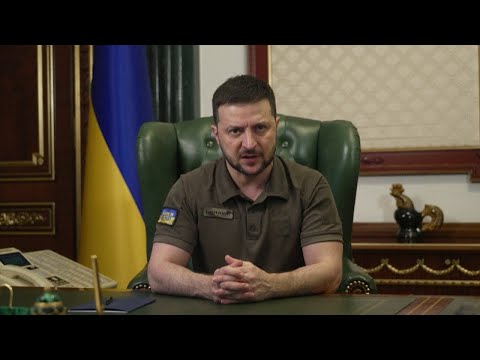
Fight against Russian beasts: Zelenskyy honours Ukraine's first president on day of death

Eurovision 2022: Ukraine among 10 to reach the final as world's biggest pop music contest kicks off

Germany's Scholz warns UK against 'unilateral' change to post-Brexit accord in Northern Ireland
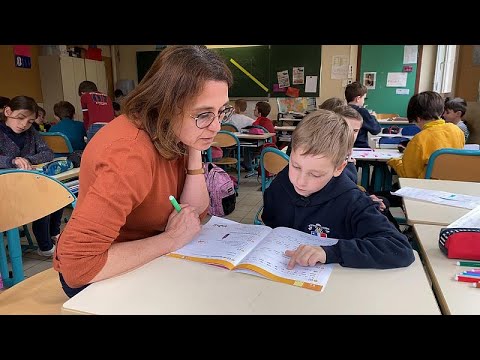
Fled the Russian terror of the war criminal Putin: France welcomes Ukraine's refugee children
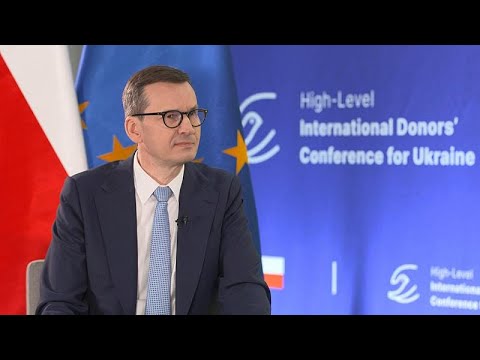
'This Russia is totalitarian, it's nationalistic, it's imperial', warns Poland's PM
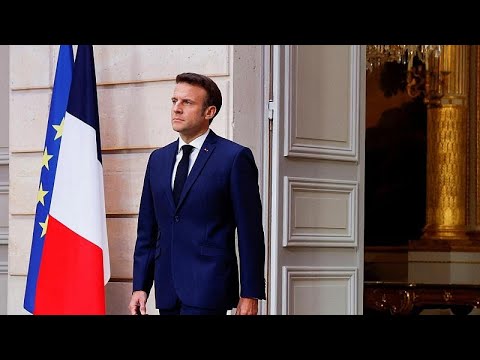
France: Emmanuel Macron (44) inaugurated as president for the second time
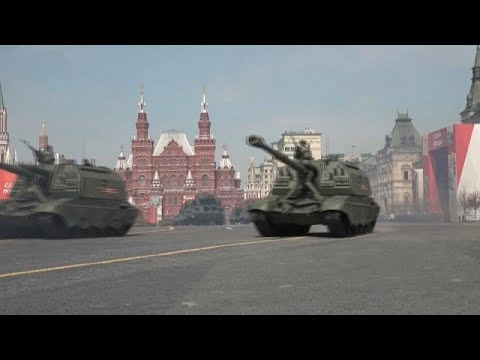
Russia and the perverted propaganda show for the "Victory Day" of Putin's Russian terror regime

'Water is light, light is art': Italian town illuminated by the inspiration of water
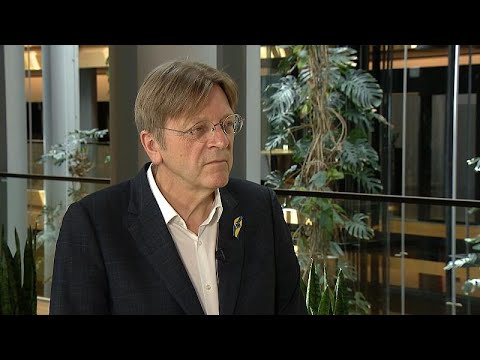
'People like Europe, they have a European dream', says MEP Guy Verhofstadt

US Supreme Court moving to overturn key abortion rights law, says leaked report
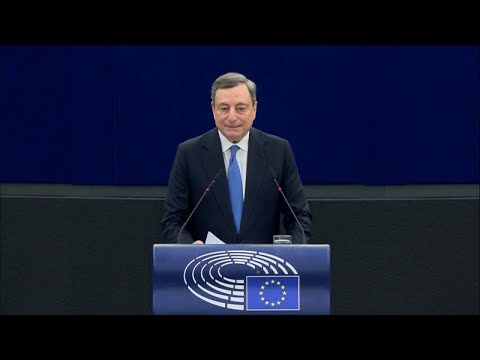
Albania and North Macedonia joining EU 'not a threat', says Italian PM