-
 إرشادات بشأن لماذا يستمر السعال بعد الإنفلونزا أطباء يكشفون طرق تخفيفه
-
Dortmund sink Stuttgart to climb to Bundesliga summit

-
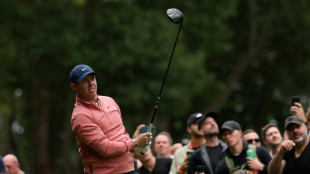 McIlroy two shots off the lead at Wentworth after eagle on 18
-
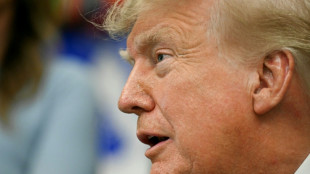
Trump says will not tolerate attempts to slow AI growth
-
 اتحاد الكرة يعرض تفاصيل موعد إنطلاق بطولة كأس الألف شهيد في غزة
-
Martinez brace saves Inter in Serie A top-two clash with Roma

-
 'It has to stop': runners protest women's murders in S.Africa district
-
Rosenior abused but guides Paris FC past old club Strasbourg

-
 تقرير حول مكتب الإعلام الدولي في دولة قطر يرد على الادعاءات الكاذبة والتقارير الملفقة في وسائل الإعلام الإسرائيلية
-
تقرير حول موهبة مانشستر يونايتد في برشلونة للتفاوض

-
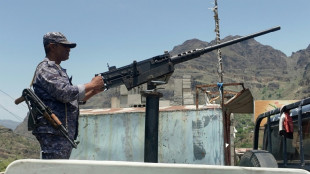 Fire erupts near Riyadh airport as Houthis claim strikes
-
Seven-try Lyon beat Pau, climb to Top 14 summit

-
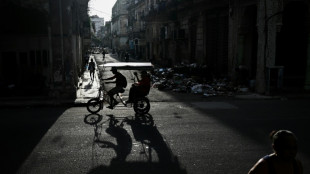 Cuba works to restore power after another blackout
-
تقرير حول ليسلم نفسه للاحتلال معتقل منذ 2007 في سجون السلطة
-
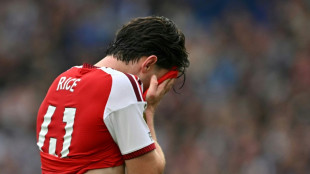 Brighton defeat a 'big lesson' against complacency for Arsenal, says Arteta
-
سيول تجدد تأكيد لواشنطن عزمها المساهمة في استعادة حرية الملاحة بمضيق هرمز
-
 تقرير حول مجلس الأمن يدين «بأشد العبارات» هجمات الحوثيين المستمرة على المملكة ويؤكد حقها الأصيل في الدفاع عن النفس
-
England thrash Sri Lanka again to return to top of T20 rankings

-
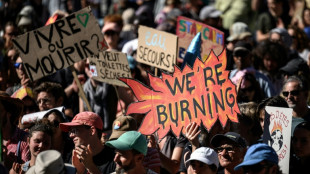 Thousands protest inaction over climate crisis in Switzerland
-
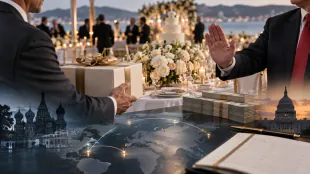
ملياردير روسي موّل جانباً من زفاف نجل ترمب... والرئيس الأميركي يجدد تأكيد سداد الأموال
-
 Arsenal thrashed by Brighton, sorry Spurs lose again
-
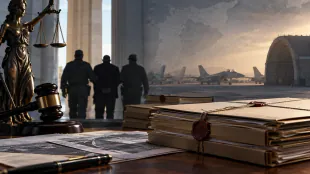
تقرير حول سوريا: توقيف ضباط سابقين يُشتبه بمسؤوليتهم عن غارات جوية خلال عهد الأسد
-
 Carapaz out of cycling world championships
-
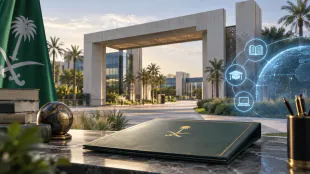
ملف خادم الحرمين يوجه بناءً على ما رفعه ولي العهد بإطلاق اسم الأمير مساعد بن عبدالرحمن على الجامعة السعودية الإلكترونية
-
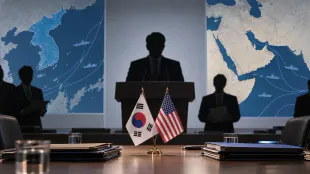 تقرير حول سيول: تصريح الرئيس حول عدم التدخل في الحرب ليس رفضاً لطلب ترمب بشأن هرمز
-
South Korea, Austria qualify for Davis Cup finals

-
 مشهد سمير سرياني لـ«الشرق الأوسط»: أحضّر لفيلم لبناني اجتماعي يتناول همومنا بقالب كوميدي
-
'Fragile' Tottenham beaten by Aston Villa despite late rally
-
 Seare shocks Ingebrigtsen to win world 5km gold
-
Mourinho hails Real Madrid grit before Atletico derby clash
-
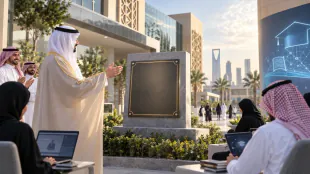 ملف البنيان: تسمية الجامعة السعودية الإلكترونية باسم «الأمير مساعد بن عبدالرحمن» تُجسّد عناية القيادة بالتعليم وتكريم رجالات الدولة
-
Brigitte Bardot widower slams sale of star's belongings

-
 Martin wins Austrian MotoGP sprint after Acosta crash
-
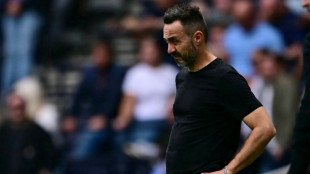
Aston Villa compound Tottenham's misery despite late rally
-
 Japan edge Fiji to win Pacific Nations Cup
-
حصيلة من يملك جسد اللاعب ورسائله؟ قميص سبتة يتحول إلى نقاش أكبر من السياسة

-
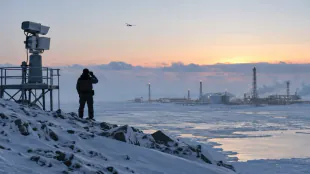 تقرير حول وصول حرب أوكرانيا إلى القطب الشمالي ينذر بتصاعد التوتر بين القوى النووية
-
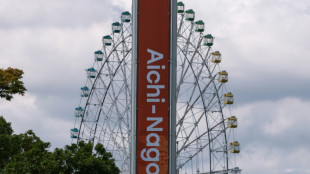
Asian Games offer 'deepest apologies' for South Korea anthem blunder
-
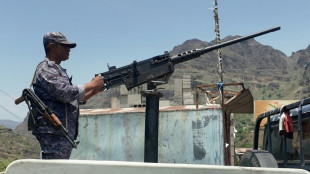 Black smoke, flames rising near Riyadh airport: residents to AFP
-
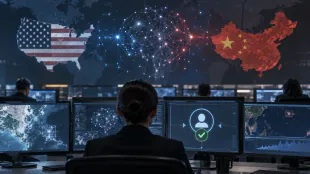
تطورات "سي أن أن": تقرير بالذكاء الاصطناعي كاد يشعل حرباً بين أميركا والصين
-
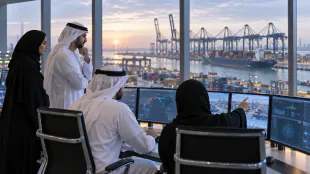 قراءة في مجلس شباب «موانئ دبي العالمية» يناقش دور الخبرات والأفكار في تحسين العمليات
-
Inter Milan and Italy icon Mazzola dies aged 83

-
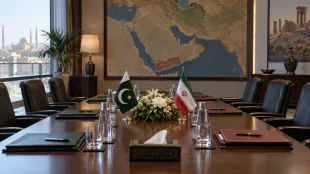 تقرير حول وفد باكستاني إلى إيران قريباً لكسر جمود المفاوضات واحتواء التوتر في اليمن
-
UK actor Naomi Watts honoured at Spain film festival

-
 قراءة في 1000 تاجر جزائري فقط يعتمدون الدفع الإلكتروني
-
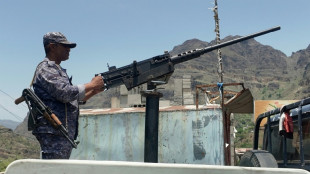
Saudi capital issues first air raid alert since renewed fighting in Yemen
-
 Japan emperor declares Asian Games open after turbulent build-up
-
Martin edges title rival Marquez for Austrian MotoGP pole

-
 Asian Games open with unity message after troubled build-up
-
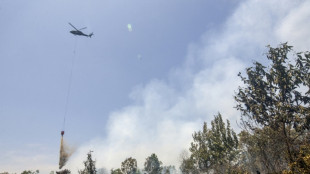
Indonesia accepts Malaysia's help to tackle wildfires
Taiwan: Is the "Silicon Shield" collapsing?
Taiwan, long regarded as a linchpin in the global technology supply chain, faces an uncertain future as its vaunted “silicon shield”—the notion that its dominance in semiconductor production deters aggression—comes under strain. The island’s strategic importance, driven by the Taiwan Semiconductor Manufacturing Company (TSMC), which produces over 90% of the world’s most advanced microchips, has historically offered a degree of protection against threats, notably from China. However, recent policies from United States President Donald Trump are raising fears that this shield may be crumbling, leaving Taiwan vulnerable at a time of escalating geopolitical tension.
The Silicon Shield: A Fragile Bastion
The concept of the silicon shield posits that Taiwan’s indispensable role in supplying cutting-edge semiconductors to the world—powering everything from smartphones to artificial intelligence—acts as a deterrent against military action, particularly from Beijing, which claims the island as part of its territory. The theory rests on the catastrophic economic fallout that would follow any disruption to TSMC’s operations, a scenario that would cripple global supply chains and affect major economies, including the U.S. and China itself. For years, this economic leverage has been Taiwan’s unspoken safeguard, complementing its military defences and U.S. support under the Taiwan Relations Act.
Yet, this shield is not impervious. China’s growing military assertiveness—demonstrated by large-scale drills encircling Taiwan in October 2024—and its advancements in domestic chip production have already cast doubt on the shield’s durability. Now, Trump’s aggressive economic strategy is adding a new layer of jeopardy, threatening to erode Taiwan’s technological edge and, with it, the island’s strategic security.
Trump’s Tariff Threat:
Since reclaiming the presidency, Trump has doubled down on his “America First” agenda, targeting Taiwan’s semiconductor industry with a bold and controversial plan. In a speech to Republicans on 27 January 2025, he proposed tariffs of up to 100% on imported microchips, arguing that Taiwan had “stolen” America’s chip industry and that such measures would force production back to U.S. soil. “They won’t want to pay a 25%, 50%, or even 100% tax,” Trump declared, framing the policy as a means to revitalise American manufacturing.
This stance marks a sharp departure from his first term, during which he bolstered Taiwan through arms sales and diplomatic engagement, including a historic call with then-President Tsai Ing-wen in 2016. Now, his rhetoric portrays Taiwan less as an ally and more as an economic rival. His administration has also questioned the $6.6 billion in grants awarded to TSMC under the 2022 CHIPS and Science Act for a factory in Arizona, with Trump dismissing it as a “ridiculous programme.” Such moves signal a transactional approach, echoing his earlier demands that Taiwan “pay” for U.S. defence support.
Economic and Strategic Fallout:
The implications of Trump’s plan are profound. For Taiwan, tariffs would not only raise costs for U.S. importers—likely passed on to consumers—but also jeopardise TSMC’s investments in American facilities, which now total $65 billion. Taiwanese Premier Cho Jung-tai has vowed to maintain the island’s tech leadership, announcing on 28 January 2025 that the government would explore “cooperative plans and assistance programmes” to shield its industry. Economy Minister Kuo Jyh-huei, meanwhile, downplayed the immediate impact, citing Taiwan’s technological superiority, though analysts warn that prolonged pressure could force TSMC to shift more production overseas, diluting Taiwan’s economic leverage.
Strategically, this shift could weaken the silicon shield’s second layer: the reliance of third parties, particularly the U.S., on Taiwanese chips. If Trump succeeds in relocating significant semiconductor production, Taiwan’s role as a global chokepoint diminishes, potentially reducing the incentive for Washington to defend the island. This fear is compounded by Trump’s ambiguous stance on Taiwan’s defence, having dodged questions in 2024 about whether he would intervene if China attacked, instead noting the island’s distance—9,500 miles from the U.S. versus 68 miles from China.
China’s Opportunistic Gaze:
Beijing, which has never renounced the use of force to achieve unification, may see an opening. While China relies heavily on TSMC—despite progress with firms like SMIC—some analysts argue that Taiwan’s chip prowess is less a shield and more a prize, incentivising control over the industry. Trump’s policies could accelerate this calculus. Posts on X suggest a growing sentiment that his approach might “incentivise Taiwan to capitulate” by undermining its economic defences, though such views remain speculative.
Taiwanese officials remain defiant. The foreign ministry, responding to Trump’s tariff threats, reiterated on 28 January 2025 that the Republic of China is a “sovereign and independent country,” dismissing any distortion of its status. President Lai Ching-te, who has stressed the “solid as a rock” U.S.-Taiwan partnership, faces the challenge of bolstering defences—currently budgeted at 2.45% of GDP—while navigating this economic onslaught.
A Shield at Risk:
Taiwan’s silicon shield has never been a guarantee, but Trump’s plan introduces unprecedented pressure. By targeting the island’s economic lifeline, he risks not only disrupting global tech supply chains but also weakening a key deterrent against Chinese aggression. For Taipei, the task is clear yet daunting: reinforce its technological edge, deepen international ties, and prepare for a world where its shield may no longer hold. As the U.S. pivots inward, Taiwan stands at a crossroads, its fate hanging in the balance between economic might and geopolitical reality.

Russians are no longer welcome anywhere!
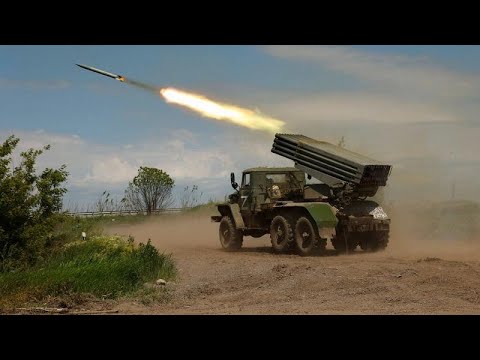
Evidence of the use of Russian terror munitions!
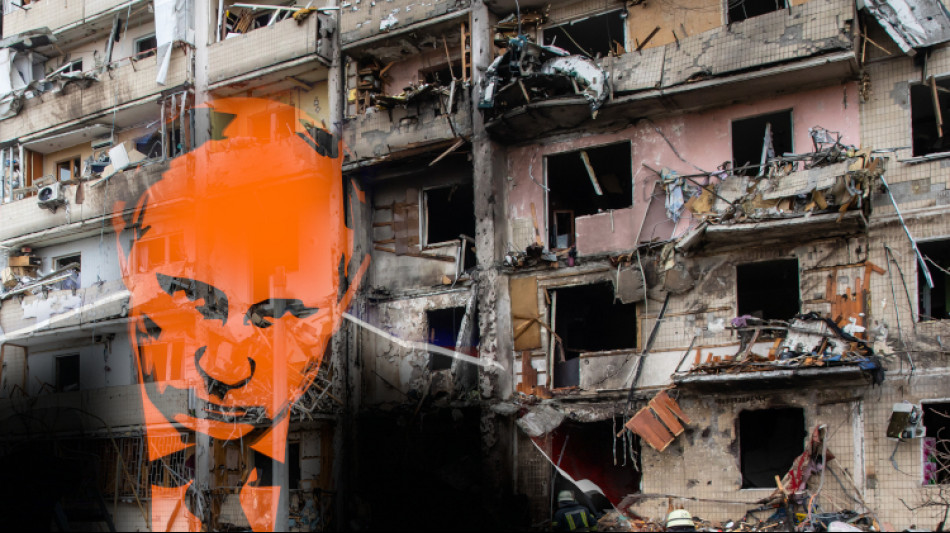
Why is the Russian war of terror in Ukraine hitting the European economy so hard?
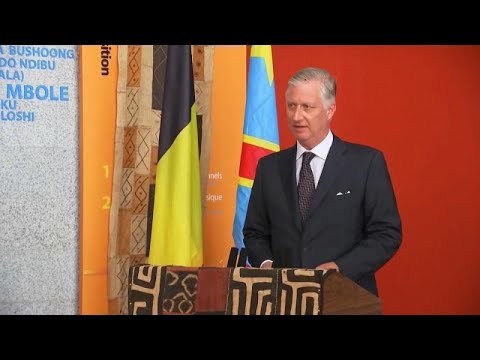
Belgian king reiterates regrets for colonial past in Congo
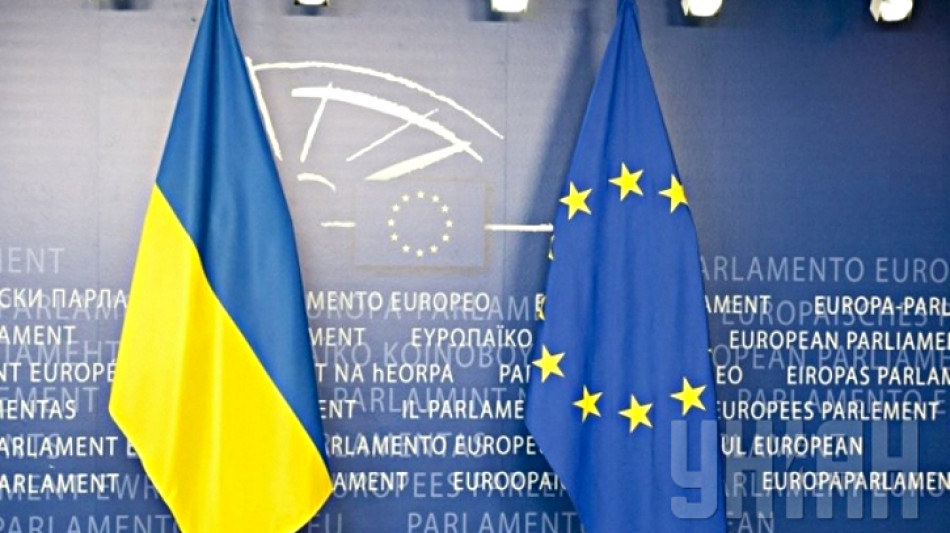
Ukraine should quickly become a member state of the EU!
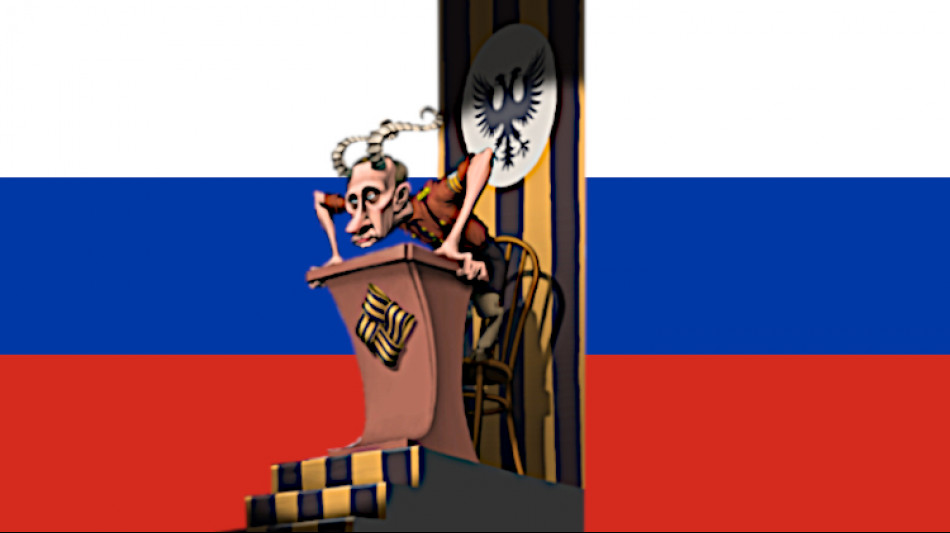
Russia and its perverted lying propaganda, lies are Russia's new business!
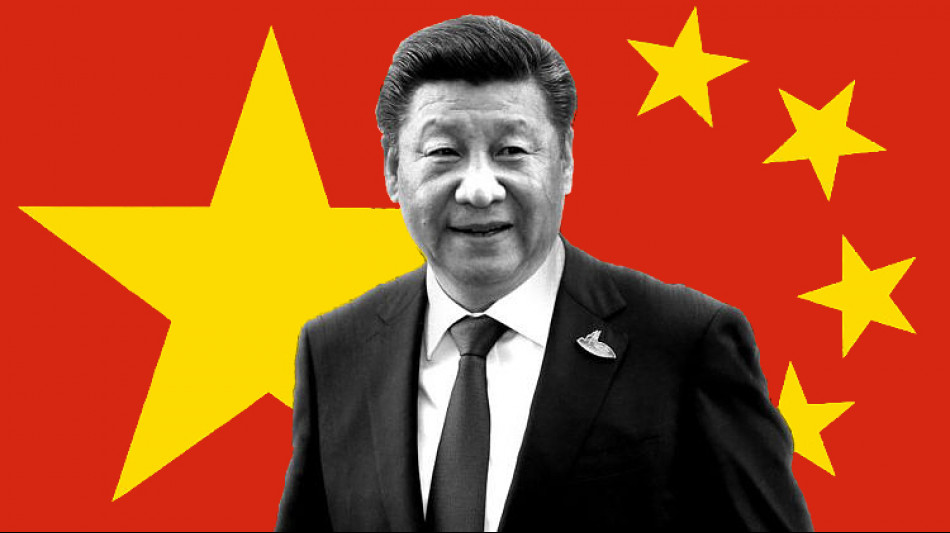
China tightens security to prevent Hong Kong commemorating Tiananmen protests
You are what you eat – and what you eat from: How industrial chemicals contaminate our bodies
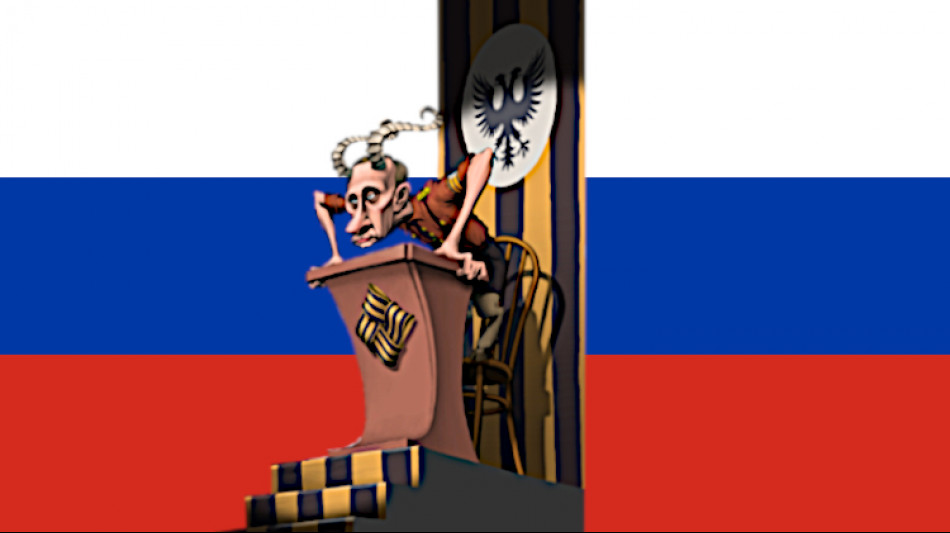
Why an EU embargo on Russian gas might be a long way off

Airport queues could last into next summer if staffing issues aren't fixed, says top industry body
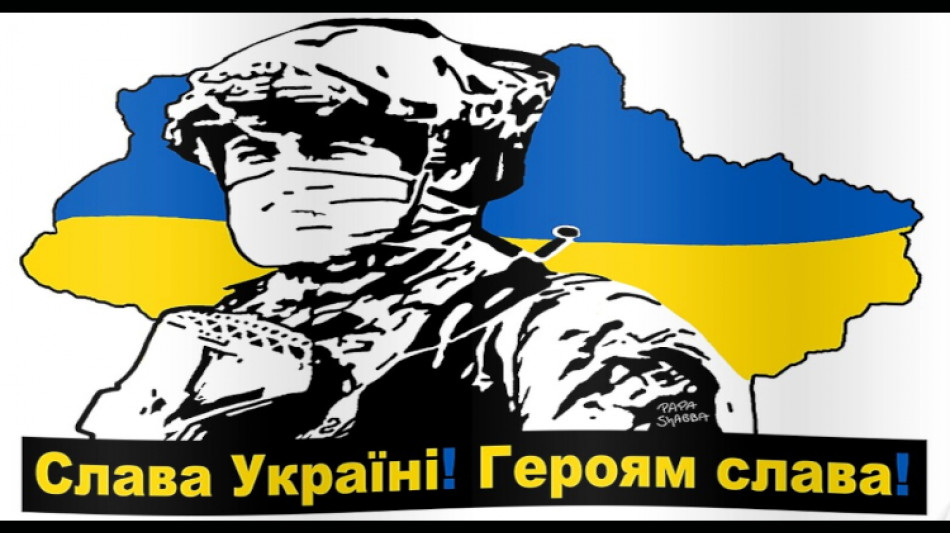
Danke Ukraine, Thanks Ukraine, Gracias Ucrania, Merci l'Ukraine