-
 Galloway accuser could not foresee publishing-sector fallout, lawyer argues
-
أزمة الإسكان في البرتغال: تصاعد الأسعار يعمق الانقسامات السياسية حول الحريات

-
 No. 22 UCLA defeats No. 5 Arizona 84-75 despite Kharchenkov's 38 points
-
New York City Center revives In the Heights as a timely community story

-
 Vessel operator seeks witnesses after Vancouver grounding
-
Godzilla Minus Zero shifts focus toward postwar human drama

-
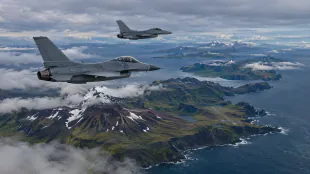 US Air Force deploys F-16 fighters to remote Aleutian base for readiness drill
-
Mehbooba Mufti urges dialogue and renewed Central Asia links for Kashmir

-
 Bezos grant helps Seattle nonprofit move thousands of families toward housing
-
Seacliff Healthcare Seeks Specialist GP in Thirroul

-
 Shrini Srivastava joins crew of Varanasi-Delhi Vande Bharat Sleeper service
-
US stocks fall before midterm Election Day as technology shares weaken

-
 Nearly Half of Australian Workers Overqualified, Survey Finds
-
BLS Polymers makes strong market debut at ₹248 per share

-
 RBI eases export-declaration compliance for individual service exporters
-
Petrol and diesel prices remain broadly steady across major Indian cities

-
 India proposes more import entry points for drugs and medical devices
-
Reliance shares remain in focus after near-12% surge

-
 Derek Tierney Outlines Ten-Year Strategy for National Digital Health System
-
2026 Arizona Midterms: Key Races, Ballot Measures, and Voter Deadlines

-
 NBC’s Steve Kornacki Reveals Tech Habits Ahead of Midterm Elections
-
Coal India prepares possible $1 billion Mahanadi Coalfields listing

-
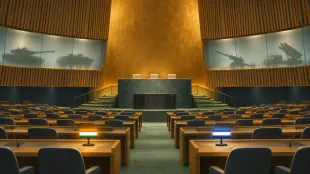 India and Israel oppose UN draft on regional conventional arms control
-
Julia Stiles and Ezra Sosa Share Emotional Farewell After 'DWTS' Elimination

-
 BLS Polymers shares open 65.3% above IPO price
-
US Buildings Threatened by Wildfires Could Triple by 2060

-
 Capital-markets shares rally as Motilal Oswal and Angel One lead gains
-
Why Pregnancy Cost Estimates Fail: A Family’s $9,000 Surprise

-
 Latino Voters Defy ICE Fears, Turn Out in Record Numbers for Midterms
-
US Strikes Iranian Targets in Strait of Hormuz Ahead of Midterms

-
 ITC shares rise as analysts anticipate gradual cigarette-business recovery
-
Brodeur’s Overtime Goal Secures Bethlehem’s Second Consecutive Sectional Title

-
 Reliance rally puts historical one-year return pattern in focus
-
Rare 1970 Plymouth ‘Cuda 426 Hemi Listed for $400,000

-
 Kuwait edges Oman 1-0 in veterans Gulf Cup in Doha
-
The Digital Burden: Why Instant Messaging Feels Like a Full-Time Job

-
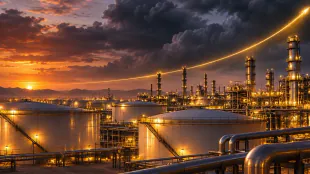 Saudi Aramco quarterly profit climbs 34.6% amid elevated oil prices
-
Alberta Tabled Controversial Riding Boundary Maps Amid Gerrymandering Accusations

-
 Washington reports movement in Iran negotiations aimed at preventing escalation
-
Hong Kong court set to sentence activist Joshua Wong in security case

-
 Korea’s Labor Share of GDP Hits Record Low Amid Semiconductor Boom
-
Australia raises benchmark rate to highest level in 18 years

-
 littlefish and Halo Dot Partner to Replace Payment Terminals with SoftPOS
-
'The Remarried Empress' Cast Discusses Bringing Fantasy Royal Drama to Life

-
 Kuwait inspectors destroy 115 kilograms of unverified meat in Farwaniya
-
Asian stocks retreat as AI worries outweigh steep oil-price drop

-
 Egypt Accelerates Construction of 341km Sinai Railway Linking Arish and Taba
-
Hamad International Airport stages emergency drills during WATAN 2026

-
 John Schneider Admits Owes Millions in 'Dukes of Hazzard' Divorce Battle
-
Global failure to punish attacks leaves journalists at continuing risk

Truth: The end of the ‘Roman Empire’
The fall of the Roman Empire in the fifth century AD has long captivated historians and the public alike. For centuries, scholars have debated the precise causes of the Empire’s decline, offering myriad explanations—ranging from political corruption and economic instability to moral degeneration and barbarian invasions. Yet despite the passage of time and the wealth of research available, there remains no single, universally accepted answer to the question: why did the Roman Empire truly collapse?
A central factor often cited is political fragmentation. As the Empire grew too vast to govern effectively from one centre, Emperor Diocletian introduced the Tetrarchy—a system dividing the realm into eastern and western halves. While initially intended to provide administrative efficiency, this division ultimately paved the way for competing centres of power and weakened the unity that had long defined Roman rule. Frequent changes of leadership and civil wars further sapped the state’s coherence, undermining confidence in the imperial regime.
Economics played an equally crucial role. Burdened by expensive military campaigns to protect ever-extending frontiers, the Empire resorted to debasing its currency, provoking rampant inflation and eroding public trust. The resulting fiscal strains fuelled social unrest, as high taxes weighed heavily upon small farmers and urban dwellers alike. Coupled with declining trade routes and resource depletion, these pressures contributed to a persistent sense of crisis.
Compounding these challenges was the growing threat from beyond Rome’s borders. Germanic tribes such as the Visigoths, Vandals, and Ostrogoths gradually eroded the Western Empire’s defensive capabilities. While earlier Roman armies proved formidable, internal discord had dulled their edge, allowing external forces to breach once-impenetrable frontiers.
Modern historians emphasise that the Empire did not fall solely because of barbarian invasions, moral decay, or fiscal collapse; instead, its downfall was the outcome of a confluence of factors, each interacting with the other. The story of Rome’s fall thus serves as a stark reminder that even the mightiest of civilisations can succumb to the inexorable weight of political, economic, and social upheaval.

EU: No agreement on 10-year extension for glyphosate

Ukraine: When will the world stand up to Russian terror?

Warming: Methane levels rising, is this nature's answer?
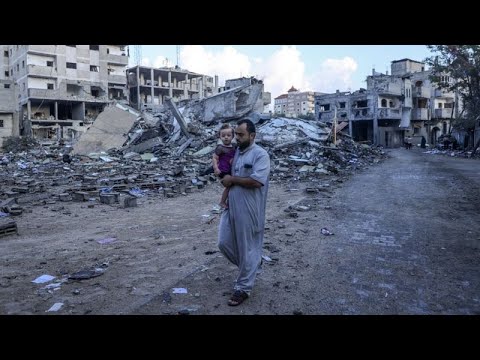
Israel has every right to destroy Hamas and Hezbollah!

What are the effects of climate change on sea flora?

Azerbaijan is in control: Armenians flee Nagorno-Karabakh

EU countries agree on watered-down car emissions proposal

Hungary-Dictator PM Orban claims EU 'deceived' Hungary

Europe: How gas prices fell from €300 to €35 MWh in one year

British musicians lose gigs in Europe since Brexit

Japan: Toyota stops production due to computer system error