-
 Toulouse edge Vannes, Lyon beat Pau to take Top 14 summit
-
Raphinha treble fires perfect Barca to win at Sevilla

-
 تطورات جيميناي يخترق أنظمة 3 شركات خلال اختبار للأمن السيبراني
-
Germans arrested for Louvre stunt in Mona Lisa hall

-
 Thiam makes winning heptathlon return at Decastar meet
-
Saudi-led coalition says Houthis fired ballistic missile at Riyadh
-
 Czechs beat USA to qualify for Davis Cup finals
-
رئيس جامعة الأمير مساعد بن عبدالرحمن: بدء اسمه يحمل قيمة وطنية ومعرفية عميقة ويعزز أثرها الوطني

-
 ملف الشيخ خليل لفلسطين 500 ألف طالب يبدؤون الدراسة في غزة وسط نقص حاد
-
تقرير حول غزة حين يصمت مجلس السلام وتحاكم الضحية

-
 France's debt climbs to highest since 1978: ministry
-
تقرير حول مقلوبة بطعم الدم

-
 مجلس وزراء الداخلية العرب يدين ويستنكر بدء ميليشيا الحوثي الإرهابية طائرة مسيّرة باتجاه مدينة الطائف
-
إرشادات بشأن لماذا يستمر السعال بعد الإنفلونزا أطباء يكشفون طرق تخفيفه

-
 Dortmund sink Stuttgart to climb to Bundesliga summit
-
McIlroy two shots off the lead at Wentworth after eagle on 18

-
 Trump says will not tolerate attempts to slow AI growth
-
اتحاد الكرة يعرض تفاصيل موعد إنطلاق بطولة كأس الألف شهيد في غزة

-
 Martinez brace saves Inter in Serie A top-two clash with Roma
-
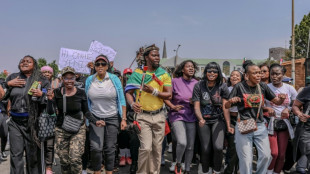
'It has to stop': runners protest women's murders in S.Africa district
-
 Rosenior abused but guides Paris FC past old club Strasbourg
-
تقرير حول مكتب الإعلام الدولي في دولة قطر يرد على الادعاءات الكاذبة والتقارير الملفقة في وسائل الإعلام الإسرائيلية

-
 تقرير حول موهبة مانشستر يونايتد في برشلونة للتفاوض
-
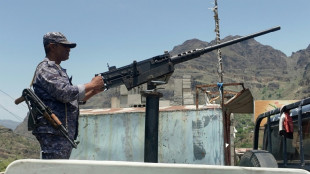
Fire erupts near Riyadh airport as Houthis claim strikes
-
 Seven-try Lyon beat Pau, climb to Top 14 summit
-
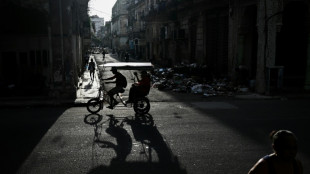
Cuba works to restore power after another blackout
-
 تقرير حول ليسلم نفسه للاحتلال معتقل منذ 2007 في سجون السلطة
-
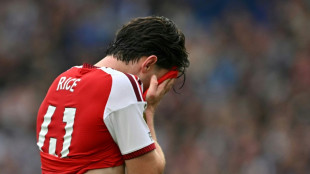
Brighton defeat a 'big lesson' against complacency for Arsenal, says Arteta
-
 سيول تجدد تأكيد لواشنطن عزمها المساهمة في استعادة حرية الملاحة بمضيق هرمز
-
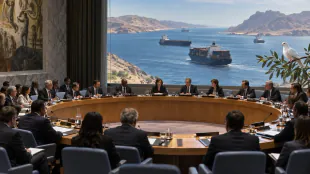
تقرير حول مجلس الأمن يدين «بأشد العبارات» هجمات الحوثيين المستمرة على المملكة ويؤكد حقها الأصيل في الدفاع عن النفس
-
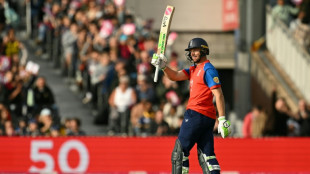 England thrash Sri Lanka again to return to top of T20 rankings
-
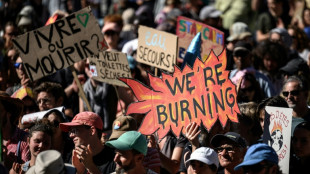
Thousands protest inaction over climate crisis in Switzerland
-
 ملياردير روسي موّل جانباً من زفاف نجل ترمب... والرئيس الأميركي يجدد تأكيد سداد الأموال
-
Arsenal thrashed by Brighton, sorry Spurs lose again

-
 تقرير حول سوريا: توقيف ضباط سابقين يُشتبه بمسؤوليتهم عن غارات جوية خلال عهد الأسد
-
Carapaz out of cycling world championships

-
 ملف خادم الحرمين يوجه بناءً على ما رفعه ولي العهد بإطلاق اسم الأمير مساعد بن عبدالرحمن على الجامعة السعودية الإلكترونية
-
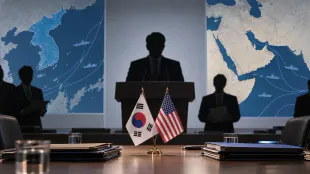
تقرير حول سيول: تصريح الرئيس حول عدم التدخل في الحرب ليس رفضاً لطلب ترمب بشأن هرمز
-
 South Korea, Austria qualify for Davis Cup finals
-
مشهد سمير سرياني لـ«الشرق الأوسط»: أحضّر لفيلم لبناني اجتماعي يتناول همومنا بقالب كوميدي
-
 'Fragile' Tottenham beaten by Aston Villa despite late rally
-
Seare shocks Ingebrigtsen to win world 5km gold

-
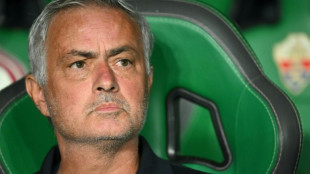 Mourinho hails Real Madrid grit before Atletico derby clash
-
ملف البنيان: تسمية الجامعة السعودية الإلكترونية باسم «الأمير مساعد بن عبدالرحمن» تُجسّد عناية القيادة بالتعليم وتكريم رجالات الدولة

-
 Brigitte Bardot widower slams sale of star's belongings
-
Martin wins Austrian MotoGP sprint after Acosta crash

-
 Aston Villa compound Tottenham's misery despite late rally
-
Japan edge Fiji to win Pacific Nations Cup

-
 حصيلة من يملك جسد اللاعب ورسائله؟ قميص سبتة يتحول إلى نقاش أكبر من السياسة
-
تقرير حول وصول حرب أوكرانيا إلى القطب الشمالي ينذر بتصاعد التوتر بين القوى النووية
Truth: The end of the ‘Roman Empire’
The fall of the Roman Empire in the fifth century AD has long captivated historians and the public alike. For centuries, scholars have debated the precise causes of the Empire’s decline, offering myriad explanations—ranging from political corruption and economic instability to moral degeneration and barbarian invasions. Yet despite the passage of time and the wealth of research available, there remains no single, universally accepted answer to the question: why did the Roman Empire truly collapse?
A central factor often cited is political fragmentation. As the Empire grew too vast to govern effectively from one centre, Emperor Diocletian introduced the Tetrarchy—a system dividing the realm into eastern and western halves. While initially intended to provide administrative efficiency, this division ultimately paved the way for competing centres of power and weakened the unity that had long defined Roman rule. Frequent changes of leadership and civil wars further sapped the state’s coherence, undermining confidence in the imperial regime.
Economics played an equally crucial role. Burdened by expensive military campaigns to protect ever-extending frontiers, the Empire resorted to debasing its currency, provoking rampant inflation and eroding public trust. The resulting fiscal strains fuelled social unrest, as high taxes weighed heavily upon small farmers and urban dwellers alike. Coupled with declining trade routes and resource depletion, these pressures contributed to a persistent sense of crisis.
Compounding these challenges was the growing threat from beyond Rome’s borders. Germanic tribes such as the Visigoths, Vandals, and Ostrogoths gradually eroded the Western Empire’s defensive capabilities. While earlier Roman armies proved formidable, internal discord had dulled their edge, allowing external forces to breach once-impenetrable frontiers.
Modern historians emphasise that the Empire did not fall solely because of barbarian invasions, moral decay, or fiscal collapse; instead, its downfall was the outcome of a confluence of factors, each interacting with the other. The story of Rome’s fall thus serves as a stark reminder that even the mightiest of civilisations can succumb to the inexorable weight of political, economic, and social upheaval.
Is Australia’s Economy Doomed?
Portugal: Living Costs Soar
Pope Francis: A Transformative Legacy
Trump fails due to Russia's tough stance
Spain: China's Gateway to Europe
Europe's Economic Self-Sabotage
China Strikes Back: Tariff War
India-Pakistan Tensions Surge
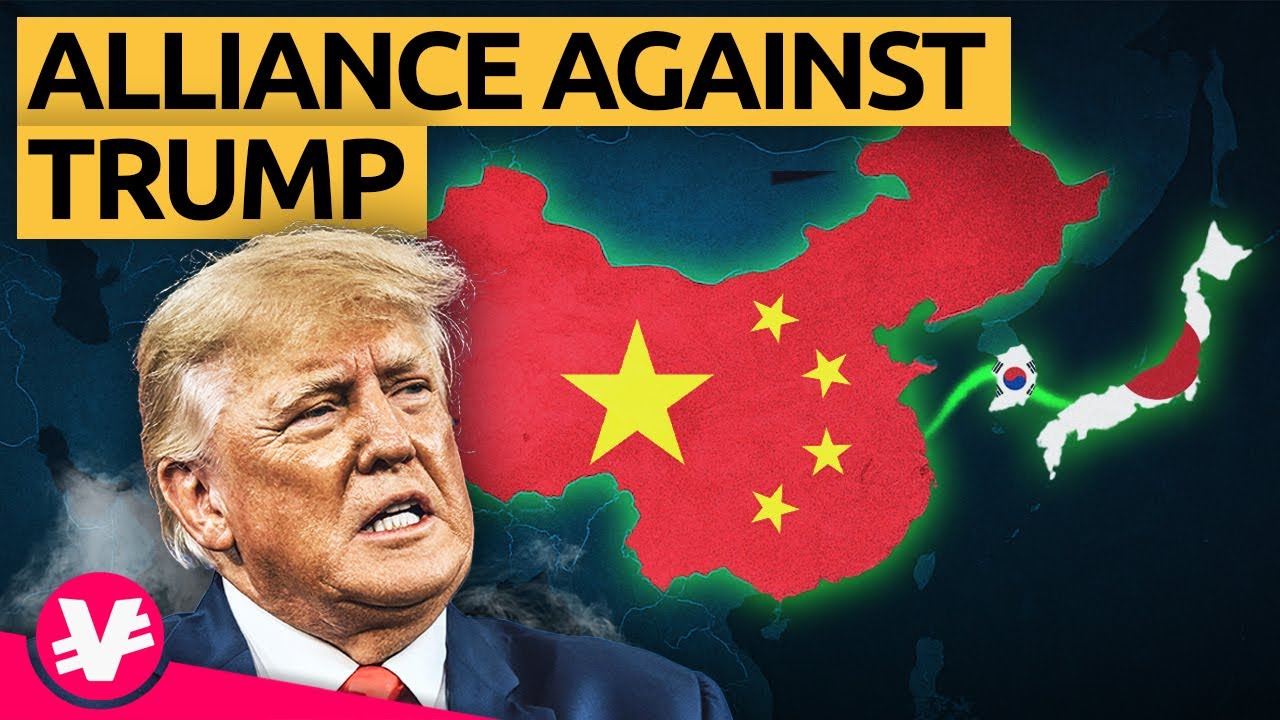
East Asia united against Trump
Trump's expanded tariff risk
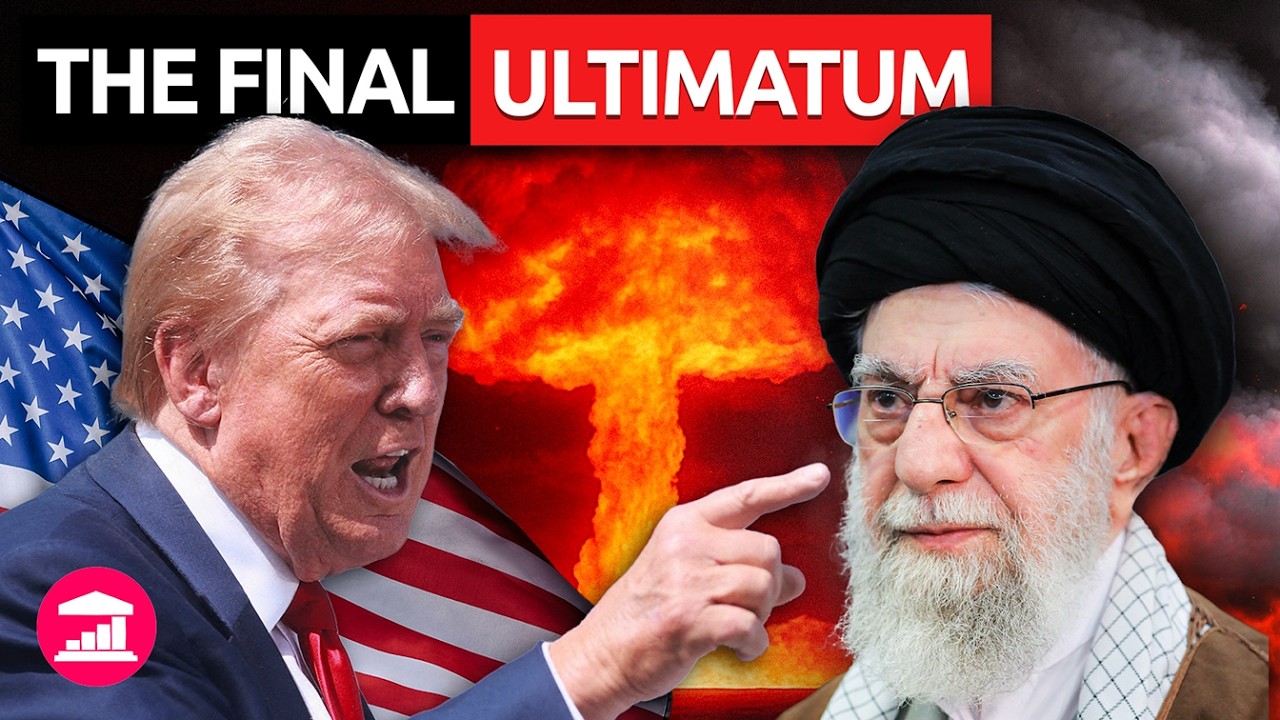
Iran's nuclear dilemma: peace or war?