-
 Greenland parliament approves security agreement with United States
-
Qatar Tourism joins Pacific Asia Travel Association at London travel market

-
 Qatar envoy meets incoming UN General Assembly president
-
Abdul El-Sayed Wins Michigan Senate Seat in Historic Election

-
 Trump Signals Willingness to Work With Democrats After Midterm Defeat
-
Qatar media bodies discuss support for humanitarian initiatives

-
 دي برومهد يفتح خياراته لـ "ذا بيغ ويسترنر" قبل عودته في ويكسفورد
-
Galloway accuser could not foresee publishing-sector fallout, lawyer argues

-
 أزمة الإسكان في البرتغال: تصاعد الأسعار يعمق الانقسامات السياسية حول الحريات
-
No. 22 UCLA defeats No. 5 Arizona 84-75 despite Kharchenkov's 38 points

-
 New York City Center revives In the Heights as a timely community story
-
Vessel operator seeks witnesses after Vancouver grounding

-
 Godzilla Minus Zero shifts focus toward postwar human drama
-
US Air Force deploys F-16 fighters to remote Aleutian base for readiness drill

-
 Mehbooba Mufti urges dialogue and renewed Central Asia links for Kashmir
-
Bezos grant helps Seattle nonprofit move thousands of families toward housing

-
 Seacliff Healthcare Seeks Specialist GP in Thirroul
-
Shrini Srivastava joins crew of Varanasi-Delhi Vande Bharat Sleeper service

-
 US stocks fall before midterm Election Day as technology shares weaken
-
Nearly Half of Australian Workers Overqualified, Survey Finds

-
 BLS Polymers makes strong market debut at ₹248 per share
-
RBI eases export-declaration compliance for individual service exporters

-
 Petrol and diesel prices remain broadly steady across major Indian cities
-
India proposes more import entry points for drugs and medical devices
-
 Reliance shares remain in focus after near-12% surge
-
Derek Tierney Outlines Ten-Year Strategy for National Digital Health System

-
 2026 Arizona Midterms: Key Races, Ballot Measures, and Voter Deadlines
-
NBC’s Steve Kornacki Reveals Tech Habits Ahead of Midterm Elections

-
 Coal India prepares possible $1 billion Mahanadi Coalfields listing
-
India and Israel oppose UN draft on regional conventional arms control
Europe, Germany and the end of the euro?
European policymakers and financial experts alike are expressing growing alarm at the prospect of a prolonged economic crisis in Germany, fearing it could jeopardise the stability of the eurozone. Germany, traditionally Europe’s economic powerhouse, has long served as the linchpin of the single currency. Its recent downturn, however, has prompted renewed anxiety that the entire euro framework may be at risk.
Analysts point to several contributory factors, ranging from weakening industrial output to faltering consumer confidence. Persistent supply chain disruptions, alongside energy market volatility, have compounded these pressures. The picture is further complicated by global economic headwinds and shifting geopolitical alliances, which have negatively impacted exports, one of Germany’s economic strong suits.
“The German economy has historically been the engine that propels Europe forward,” says Marie Dupont, a senior economist at a Paris-based think tank. “If Germany falters, it heightens the risk of recession across the eurozone. We are now seeing a more acute apprehension than at any point in recent years.”
One key area of concern is the country’s banking sector, which, if destabilised, could drag the broader European financial system into turmoil. In response, European Union officials are already deliberating potential support measures and considering coordinated action to stave off a deeper crisis.
Critics, however, point to what they regard as complacency in Berlin. Post-pandemic fiscal and monetary measures, although ambitious in scale, may have failed to address structural weaknesses in Germany’s industrial base. Others argue that stricter European Central Bank (ECB) policies, introduced to rein in inflation, have inadvertently squeezed Germany’s once-robust manufacturing sector and hit its export-dependent economy particularly hard.
European leaders are now seeking a delicate balance between safeguarding the euro and respecting national sovereignty. Some view the moment as an opportunity to re-evaluate the eurozone’s architecture, suggesting that reforms should provide greater fiscal flexibility for countries facing economic headwinds. Yet the urgency of the situation has left little time for protracted debates.
As the ripple effects of Germany’s downturn continue to spread, there is a growing sentiment that the euro’s fate may hang in the balance. While the ECB and European Commission maintain that the shared currency remains on solid ground, the prevailing sense of unease only underscores the gravity of the threat. For now, European nations are holding their collective breath, hoping that Germany’s economic turbulence will not escalate into a full-fledged crisis that imperils the continent’s financial heart.
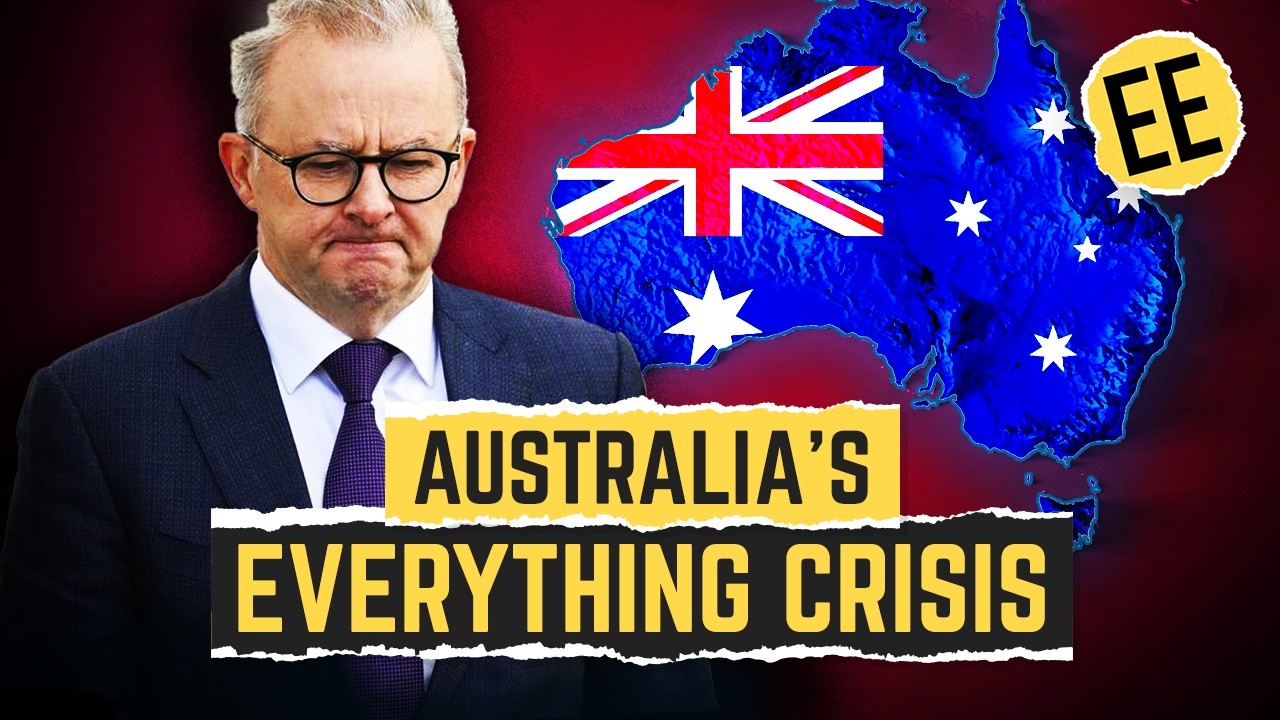
Is Australia’s Economy Doomed?
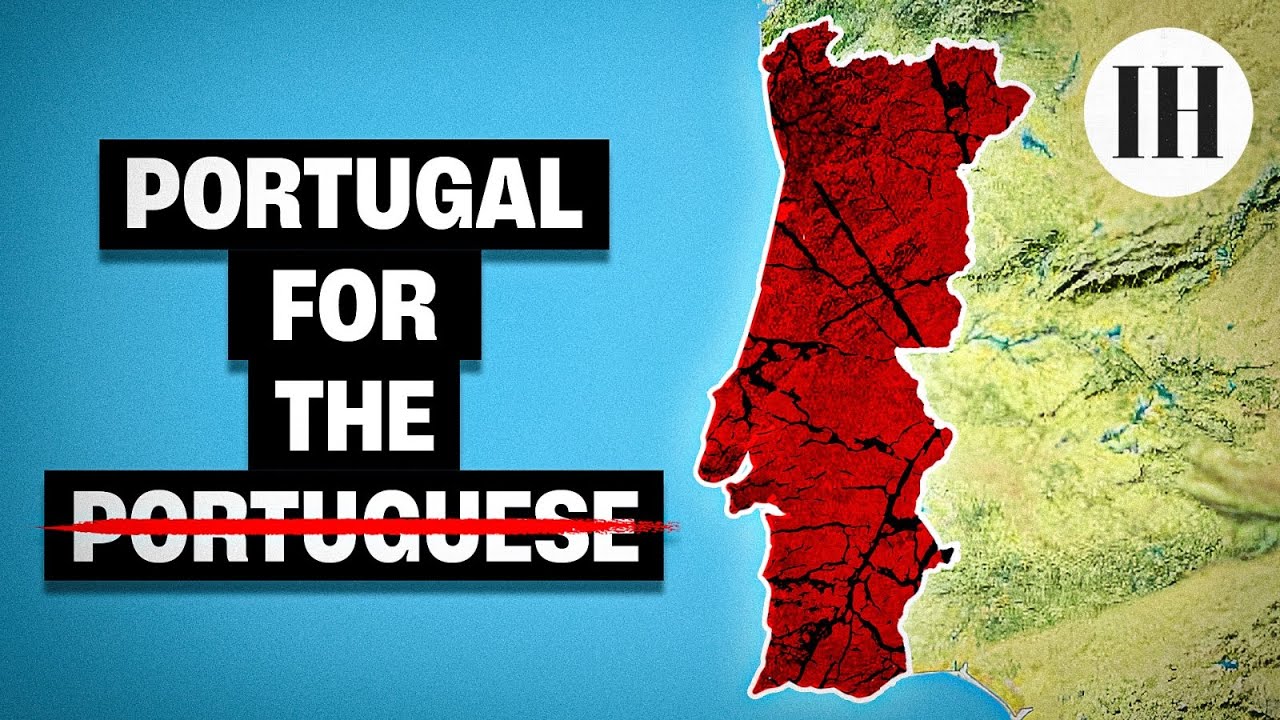
Portugal: Living Costs Soar

Pope Francis: A Transformative Legacy
Trump fails due to Russia's tough stance
Spain: China's Gateway to Europe
Europe's Economic Self-Sabotage
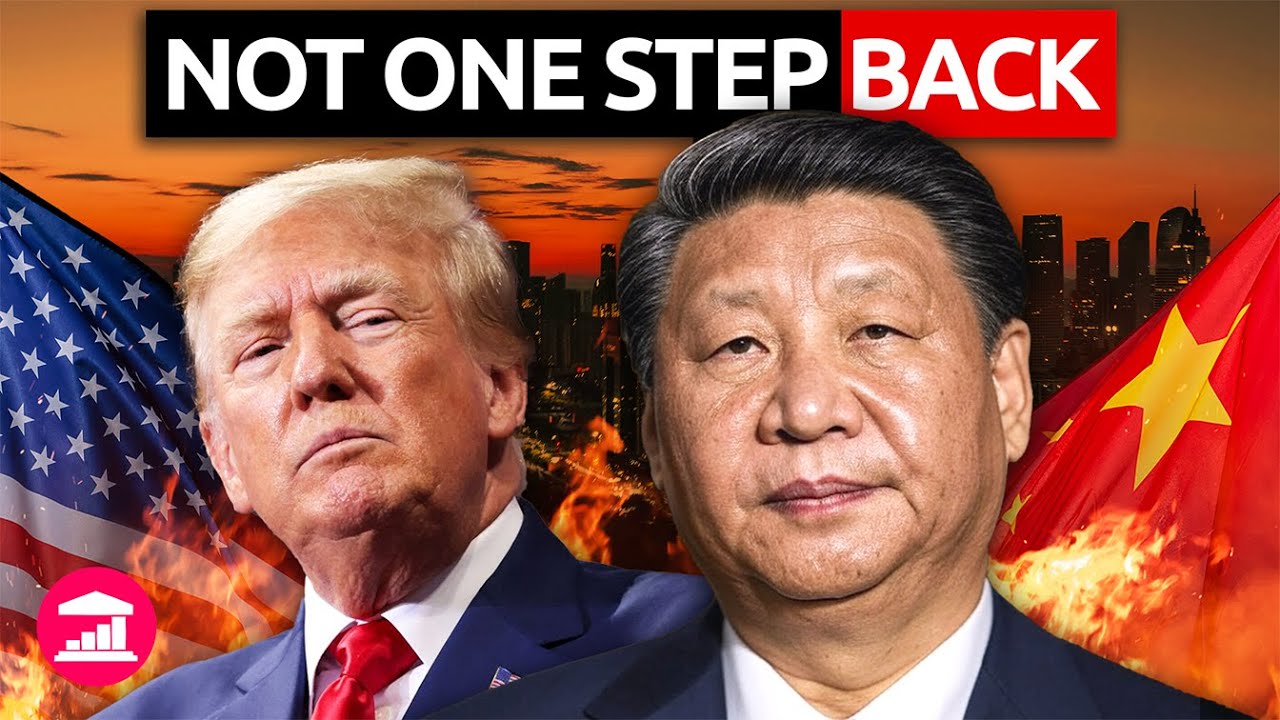
China Strikes Back: Tariff War
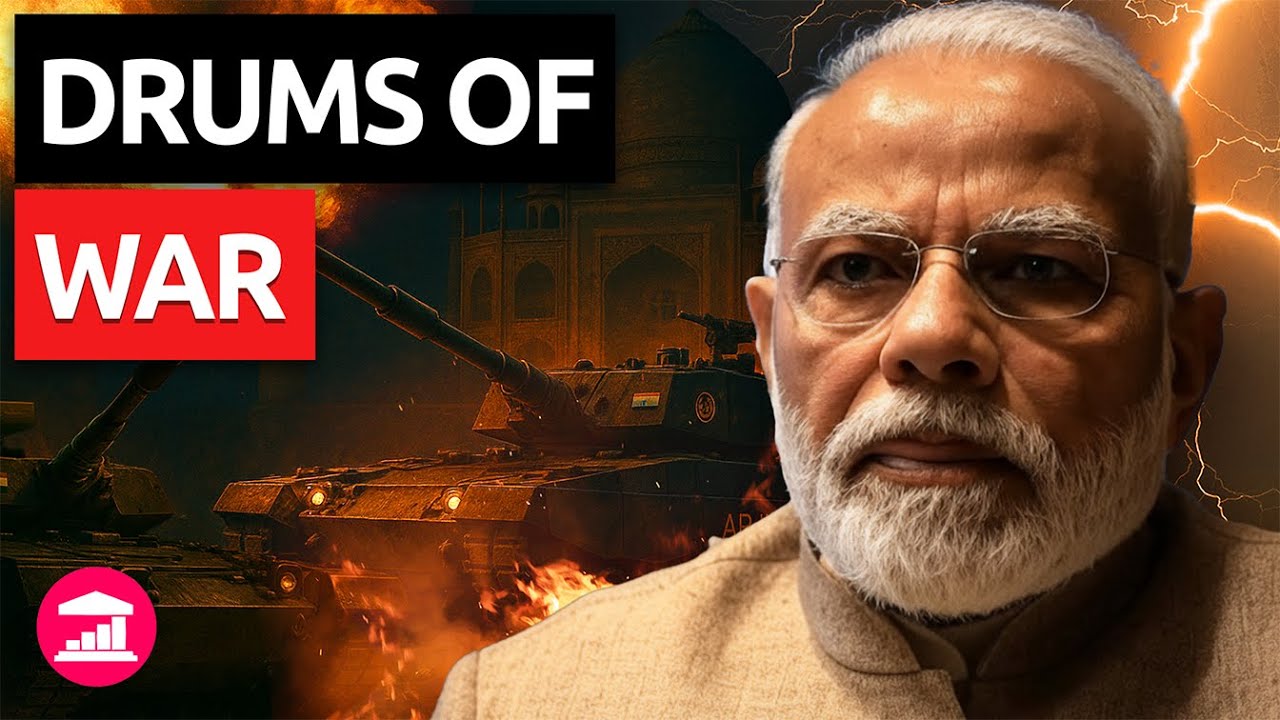
India-Pakistan Tensions Surge
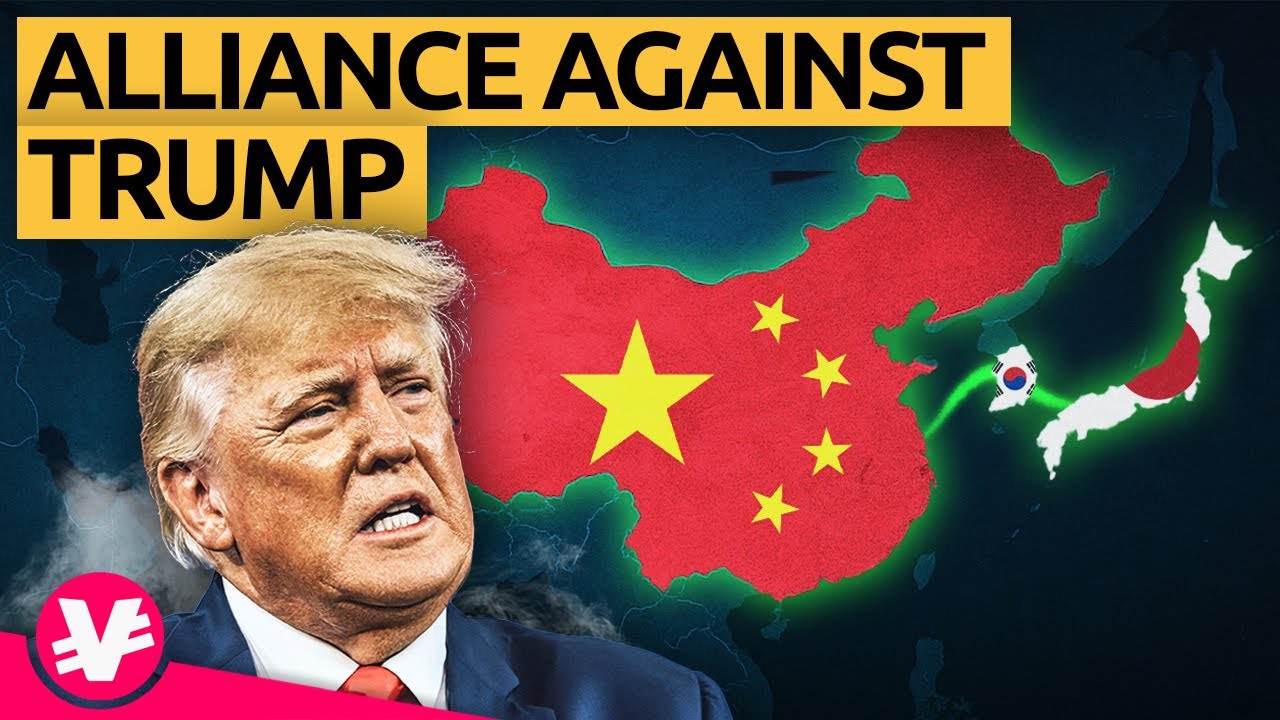
East Asia united against Trump
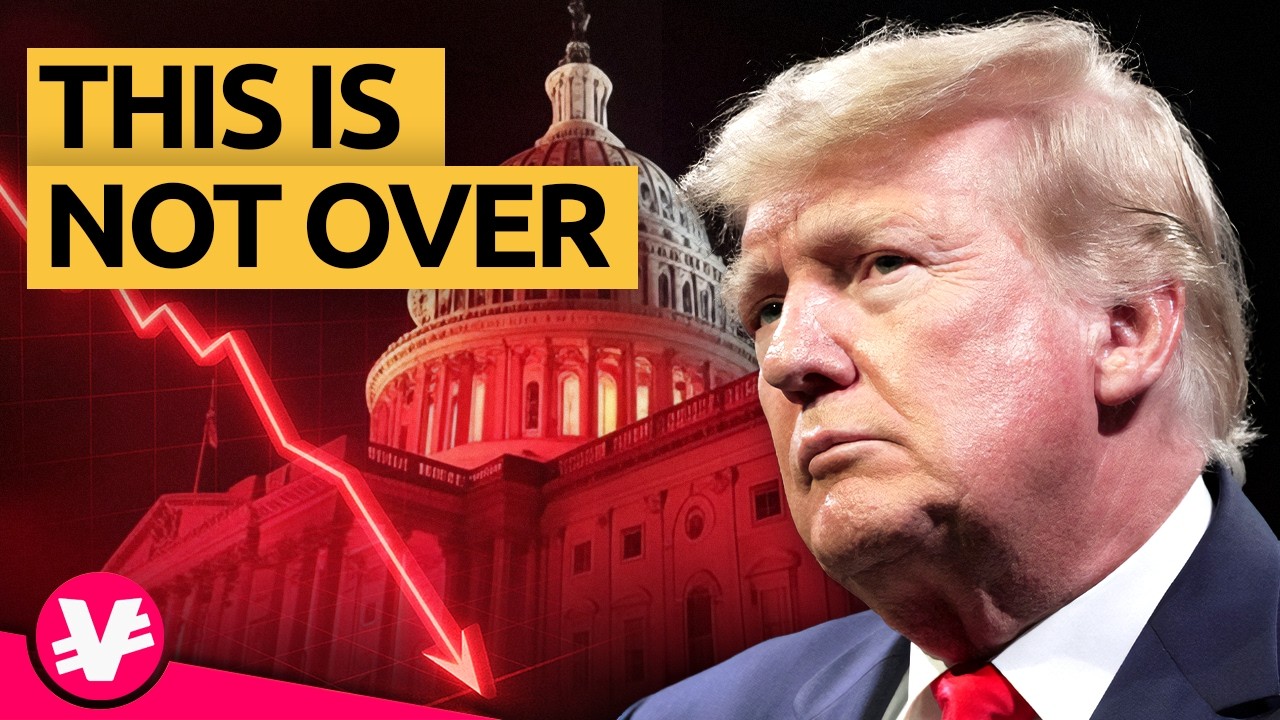
Trump's expanded tariff risk
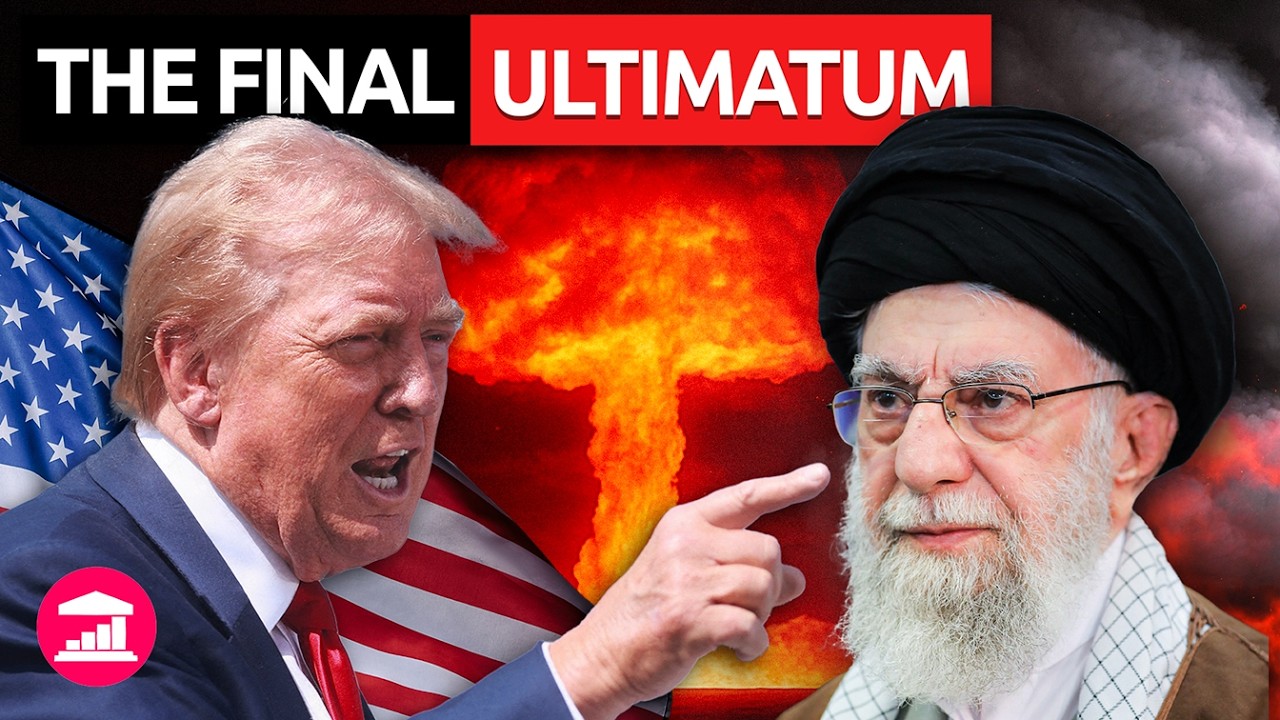
Iran's nuclear dilemma: peace or war?