-
 Galloway accuser could not foresee publishing-sector fallout, lawyer argues
-
أزمة الإسكان في البرتغال: تصاعد الأسعار يعمق الانقسامات السياسية حول الحريات
-
 No. 22 UCLA defeats No. 5 Arizona 84-75 despite Kharchenkov's 38 points
-
New York City Center revives In the Heights as a timely community story

-
 Vessel operator seeks witnesses after Vancouver grounding
-
Godzilla Minus Zero shifts focus toward postwar human drama

-
 US Air Force deploys F-16 fighters to remote Aleutian base for readiness drill
-
Mehbooba Mufti urges dialogue and renewed Central Asia links for Kashmir

-
 Bezos grant helps Seattle nonprofit move thousands of families toward housing
-
Seacliff Healthcare Seeks Specialist GP in Thirroul

-
 Shrini Srivastava joins crew of Varanasi-Delhi Vande Bharat Sleeper service
-
US stocks fall before midterm Election Day as technology shares weaken

-
 Nearly Half of Australian Workers Overqualified, Survey Finds
-
BLS Polymers makes strong market debut at ₹248 per share

-
 RBI eases export-declaration compliance for individual service exporters
-
Petrol and diesel prices remain broadly steady across major Indian cities
-
 India proposes more import entry points for drugs and medical devices
-
Reliance shares remain in focus after near-12% surge
-
 Derek Tierney Outlines Ten-Year Strategy for National Digital Health System
-
2026 Arizona Midterms: Key Races, Ballot Measures, and Voter Deadlines

-
 NBC’s Steve Kornacki Reveals Tech Habits Ahead of Midterm Elections
-
Coal India prepares possible $1 billion Mahanadi Coalfields listing
-
 India and Israel oppose UN draft on regional conventional arms control
-
Julia Stiles and Ezra Sosa Share Emotional Farewell After 'DWTS' Elimination

-
 BLS Polymers shares open 65.3% above IPO price
-
US Buildings Threatened by Wildfires Could Triple by 2060

-
 Capital-markets shares rally as Motilal Oswal and Angel One lead gains
-
Why Pregnancy Cost Estimates Fail: A Family’s $9,000 Surprise

-
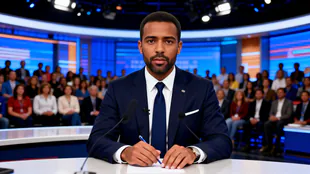 Latino Voters Defy ICE Fears, Turn Out in Record Numbers for Midterms
-
US Strikes Iranian Targets in Strait of Hormuz Ahead of Midterms

-
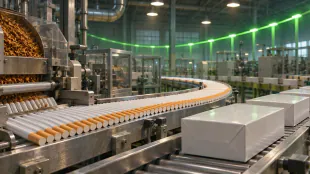 ITC shares rise as analysts anticipate gradual cigarette-business recovery
-
Brodeur’s Overtime Goal Secures Bethlehem’s Second Consecutive Sectional Title

-
 Reliance rally puts historical one-year return pattern in focus
-
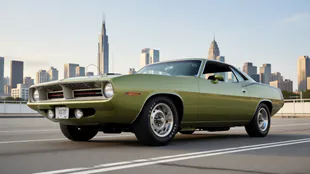
Rare 1970 Plymouth ‘Cuda 426 Hemi Listed for $400,000
-
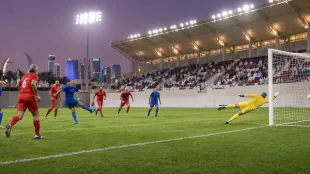 Kuwait edges Oman 1-0 in veterans Gulf Cup in Doha
-
The Digital Burden: Why Instant Messaging Feels Like a Full-Time Job

-
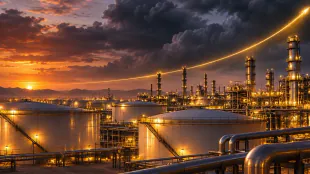 Saudi Aramco quarterly profit climbs 34.6% amid elevated oil prices
-
Alberta Tabled Controversial Riding Boundary Maps Amid Gerrymandering Accusations

-
 Washington reports movement in Iran negotiations aimed at preventing escalation
-
Hong Kong court set to sentence activist Joshua Wong in security case

-
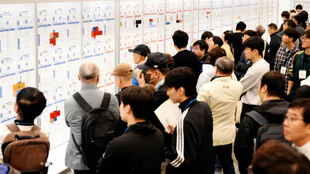 Korea’s Labor Share of GDP Hits Record Low Amid Semiconductor Boom
-
Australia raises benchmark rate to highest level in 18 years

-
 littlefish and Halo Dot Partner to Replace Payment Terminals with SoftPOS
-
'The Remarried Empress' Cast Discusses Bringing Fantasy Royal Drama to Life

-
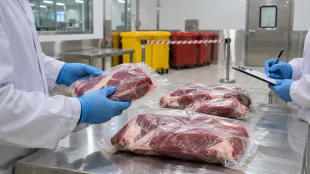 Kuwait inspectors destroy 115 kilograms of unverified meat in Farwaniya
-
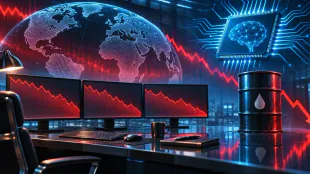
Asian stocks retreat as AI worries outweigh steep oil-price drop
-
 Egypt Accelerates Construction of 341km Sinai Railway Linking Arish and Taba
-
Hamad International Airport stages emergency drills during WATAN 2026

-
 John Schneider Admits Owes Millions in 'Dukes of Hazzard' Divorce Battle
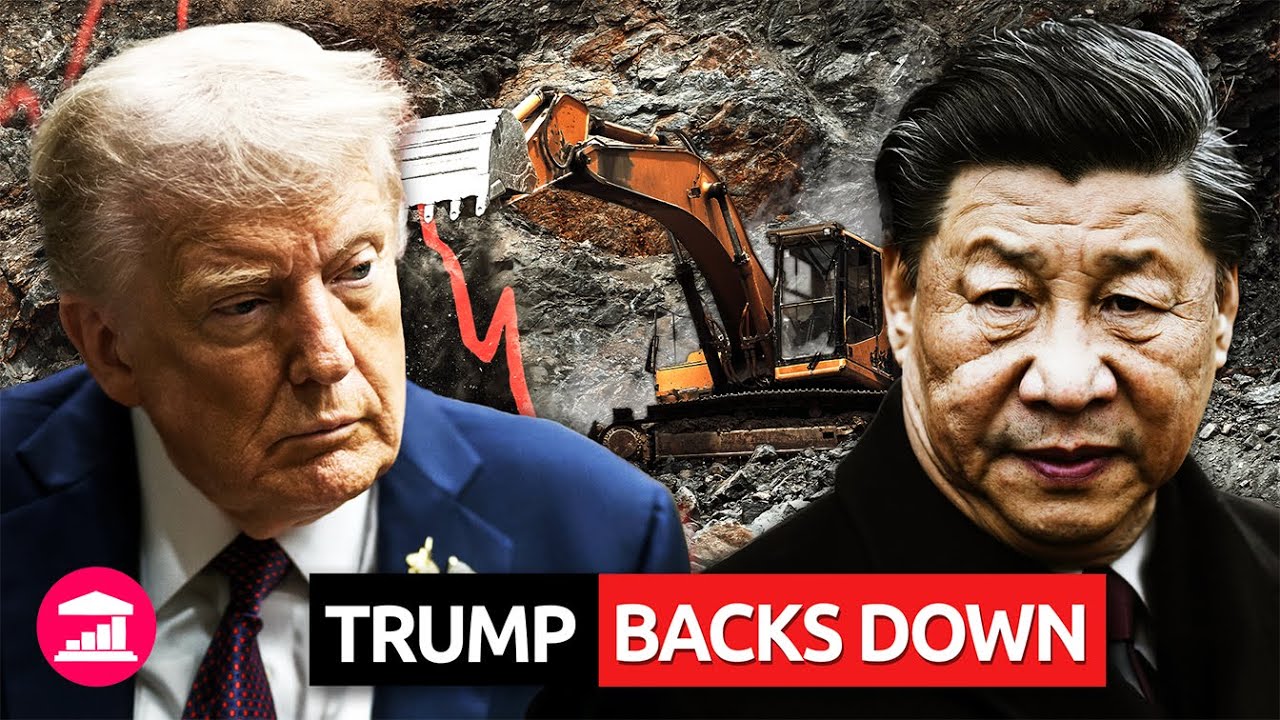
Is this Europe's plan for China?
Relations between Europe and China have changed rapidly in recent years. While China, as the world's second largest economy, has become an indispensable trading partner, concerns about dependencies, human rights issues and technological competitive conditions are also increasing. This raises the question for the European Union: how should it, as a union of states and an economic power, deal with China in the future?
Economic opportunities and dependencies
China is now the largest trading partner or at least one of the most important sales markets for numerous European countries. European export companies, particularly in the automotive and mechanical engineering sectors, are benefiting from the rapid development in the Far East. At the same time, there is a growing awareness that over-reliance on Chinese supply chains – for example, for the procurement of critical raw materials or important electronic components – entails economic and geopolitical risks.
The European Union therefore wants to diversify its supply chains and markets. Part of this strategy lies in the targeted promotion of European technology and innovation projects, for example through the ‘European Chips Act’ or the advancement of its own battery cell and semiconductor production. The aim is to become a global engine of innovation and to reduce the one-sided dependence on imports from China.
Value-oriented foreign policy
Europe sees itself not only as an economic union, but also as a community of values that upholds the protection of human rights. In its cooperation with China, however, these principles regularly collide with Beijing's ideas of sovereignty and governance. For example, issues such as the situation in Xinjiang, the situation in Hong Kong or questions about freedom of expression and freedom of the press cause tensions.
This leads to a balancing act: on the one hand, Europe wants to promote trade and investment with China, but on the other hand, it feels it has a duty to criticise human rights violations. At the diplomatic level, this means a combination of dialogue and, where necessary, economic or political pressure. The EU and individual member states are trying to send clear signals by imposing targeted sanctions or suspending certain agreements.
Technology and competition
Europe also faces the challenge of safeguarding its technological sovereignty without losing access to the lucrative Chinese market. Whether it's 5G expansion, artificial intelligence or high-speed trains, China has shifted the innovation focus in many key technologies and is increasingly penetrating areas in which European companies have so far been leading. Conversely, European companies in sensitive sectors are reconsidering their cooperation with Chinese partners.
Conclusion: constructively shaping mutual dependence
In view of global challenges such as climate change or pandemics, pragmatic cooperation between Europe and China is unavoidable. The EU should pursue a multi-pronged approach: it must strengthen its economic and technological independence, represent clear values and assert its interests with confidence. At the same time, cooperation with Beijing is required to combat common problems, for example in climate protection.
The key task for Europe is to find a way to promote trade and innovation without sacrificing important values and standards. The motto is: engagement where it makes sense for both sides – but also drawing clear boundaries when crucial principles are at stake.

Venezuela braces after Strike

Tokyo’s Housing playbook

Tel Aviv’s Wartime rally

After Kirk: Speech at Risk

Milei suffers crushing Defeat

Why Nepal is burning

Russia's Drone ploy in Poland
How Swiss Stocks tamed Prices
Cuba's hunger Crisis deepens
Poland trusts only hard Power

Tanks in Gaza - Hopes dim?