-
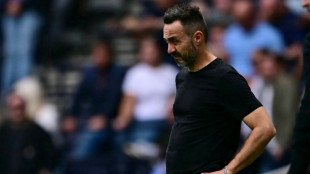
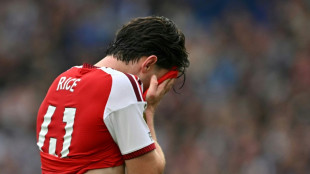 Brighton defeat a 'big lesson' against complacency for Arsenal, says Arteta
-
سيول تجدد تأكيد لواشنطن عزمها المساهمة في استعادة حرية الملاحة بمضيق هرمز
-
 تقرير حول مجلس الأمن يدين «بأشد العبارات» هجمات الحوثيين المستمرة على المملكة ويؤكد حقها الأصيل في الدفاع عن النفس
-
England thrash Sri Lanka again to return to top of T20 rankings

-
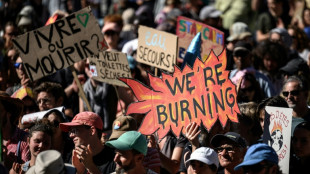 Thousands protest inaction over climate crisis in Switzerland
-
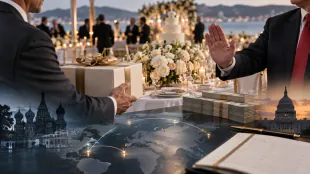
ملياردير روسي موّل جانباً من زفاف نجل ترمب... والرئيس الأميركي يجدد تأكيد سداد الأموال
-
 Arsenal thrashed by Brighton, sorry Spurs lose again
-
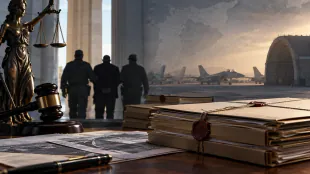
تقرير حول سوريا: توقيف ضباط سابقين يُشتبه بمسؤوليتهم عن غارات جوية خلال عهد الأسد
-
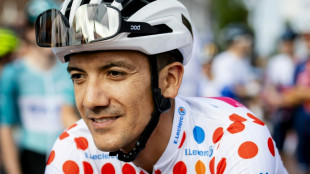 Carapaz out of cycling world championships
-
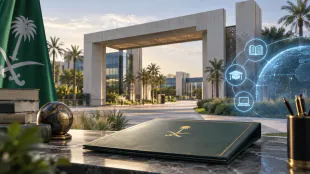
ملف خادم الحرمين يوجه بناءً على ما رفعه ولي العهد بإطلاق اسم الأمير مساعد بن عبدالرحمن على الجامعة السعودية الإلكترونية
-
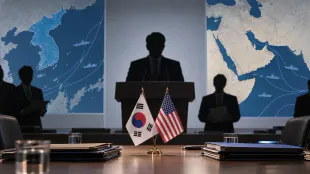 تقرير حول سيول: تصريح الرئيس حول عدم التدخل في الحرب ليس رفضاً لطلب ترمب بشأن هرمز
-
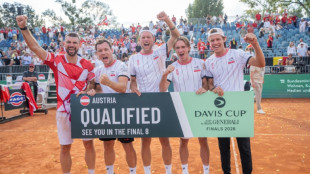
South Korea, Austria qualify for Davis Cup finals
-
 مشهد سمير سرياني لـ«الشرق الأوسط»: أحضّر لفيلم لبناني اجتماعي يتناول همومنا بقالب كوميدي
-
'Fragile' Tottenham beaten by Aston Villa despite late rally
-
 Seare shocks Ingebrigtsen to win world 5km gold
-
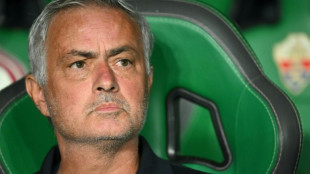
Mourinho hails Real Madrid grit before Atletico derby clash
-
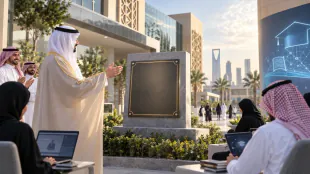 ملف البنيان: تسمية الجامعة السعودية الإلكترونية باسم «الأمير مساعد بن عبدالرحمن» تُجسّد عناية القيادة بالتعليم وتكريم رجالات الدولة
-
Brigitte Bardot widower slams sale of star's belongings

-
 Martin wins Austrian MotoGP sprint after Acosta crash
-
Aston Villa compound Tottenham's misery despite late rally
-
 Japan edge Fiji to win Pacific Nations Cup
-
حصيلة من يملك جسد اللاعب ورسائله؟ قميص سبتة يتحول إلى نقاش أكبر من السياسة

-
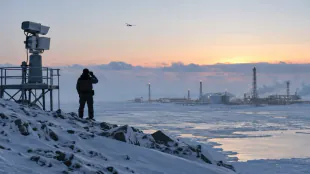 تقرير حول وصول حرب أوكرانيا إلى القطب الشمالي ينذر بتصاعد التوتر بين القوى النووية
-
Asian Games offer 'deepest apologies' for South Korea anthem blunder
-
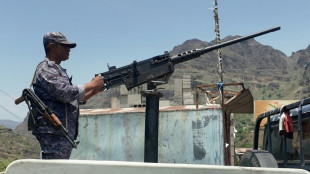 Black smoke, flames rising near Riyadh airport: residents to AFP
-
تطورات "سي أن أن": تقرير بالذكاء الاصطناعي كاد يشعل حرباً بين أميركا والصين
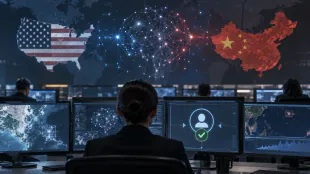
-
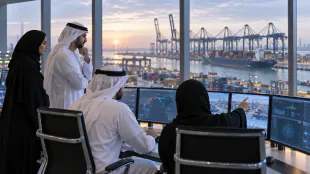 قراءة في مجلس شباب «موانئ دبي العالمية» يناقش دور الخبرات والأفكار في تحسين العمليات
-
Inter Milan and Italy icon Mazzola dies aged 83

-
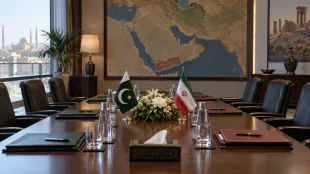 تقرير حول وفد باكستاني إلى إيران قريباً لكسر جمود المفاوضات واحتواء التوتر في اليمن
-
UK actor Naomi Watts honoured at Spain film festival

-
 قراءة في 1000 تاجر جزائري فقط يعتمدون الدفع الإلكتروني
-
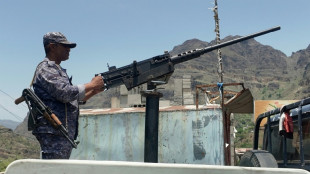
Saudi capital issues first air raid alert since renewed fighting in Yemen
-
 Japan emperor declares Asian Games open after turbulent build-up
-
Martin edges title rival Marquez for Austrian MotoGP pole

-
 Asian Games open with unity message after troubled build-up
-
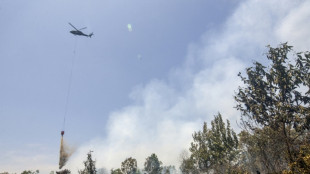
Indonesia accepts Malaysia's help to tackle wildfires
-
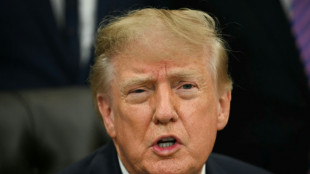 Denmark hails 'binding' Greenland deal with Trump
-
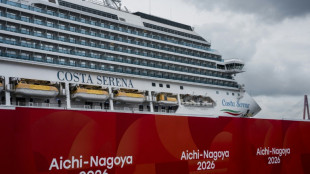
Indians living in Japan on stand-by to house Asian Games athletes
-
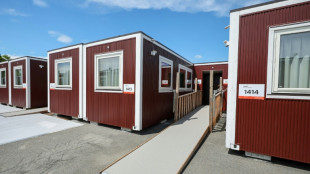 We don't want Games host Japan losing money, says Asian Olympic official
-
Trump signs bill authorizing sweeping Russia sanctions

-
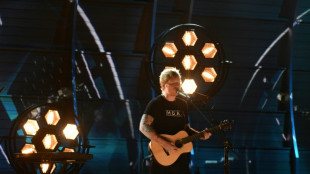 Ed Sheeran returns to stage after Palestinian controversy
-
Protesters form human chain at Kennedy Center after Trump threat

-
 Asian Games to open in Japan after troubled build-up
-
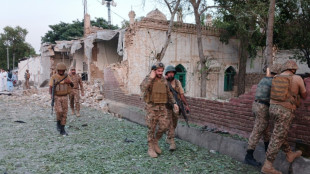
Death toll from attack at police HQ in Pakistan rises to 31
-
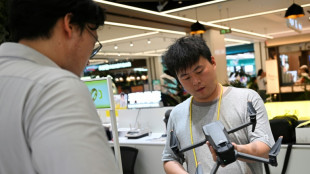 Drone owners rush to offload devices ahead of Beijing ban
-
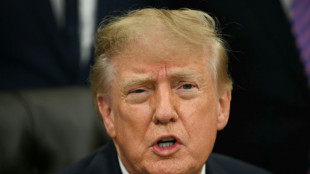
Trump says Denmark to give US 'permanent control' over Greenland security
-
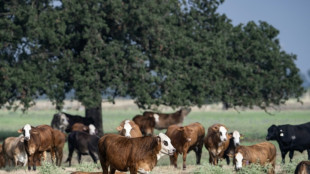 Trump's beef policies irk Texas ranchers, testing their loyalty
-
Kennedy Center: future unclear for iconic Washington arts hub

-
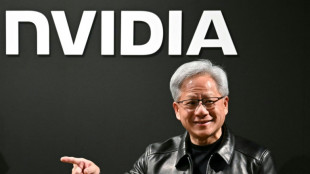 Nvidia, OpenAI CEOs to attend Xi dinner at White House
-
Trump claims 'infinite' Greenland security deal with Denmark
Is this Europe's plan for China?
Relations between Europe and China have changed rapidly in recent years. While China, as the world's second largest economy, has become an indispensable trading partner, concerns about dependencies, human rights issues and technological competitive conditions are also increasing. This raises the question for the European Union: how should it, as a union of states and an economic power, deal with China in the future?
Economic opportunities and dependencies
China is now the largest trading partner or at least one of the most important sales markets for numerous European countries. European export companies, particularly in the automotive and mechanical engineering sectors, are benefiting from the rapid development in the Far East. At the same time, there is a growing awareness that over-reliance on Chinese supply chains – for example, for the procurement of critical raw materials or important electronic components – entails economic and geopolitical risks.
The European Union therefore wants to diversify its supply chains and markets. Part of this strategy lies in the targeted promotion of European technology and innovation projects, for example through the ‘European Chips Act’ or the advancement of its own battery cell and semiconductor production. The aim is to become a global engine of innovation and to reduce the one-sided dependence on imports from China.
Value-oriented foreign policy
Europe sees itself not only as an economic union, but also as a community of values that upholds the protection of human rights. In its cooperation with China, however, these principles regularly collide with Beijing's ideas of sovereignty and governance. For example, issues such as the situation in Xinjiang, the situation in Hong Kong or questions about freedom of expression and freedom of the press cause tensions.
This leads to a balancing act: on the one hand, Europe wants to promote trade and investment with China, but on the other hand, it feels it has a duty to criticise human rights violations. At the diplomatic level, this means a combination of dialogue and, where necessary, economic or political pressure. The EU and individual member states are trying to send clear signals by imposing targeted sanctions or suspending certain agreements.
Technology and competition
Europe also faces the challenge of safeguarding its technological sovereignty without losing access to the lucrative Chinese market. Whether it's 5G expansion, artificial intelligence or high-speed trains, China has shifted the innovation focus in many key technologies and is increasingly penetrating areas in which European companies have so far been leading. Conversely, European companies in sensitive sectors are reconsidering their cooperation with Chinese partners.
Conclusion: constructively shaping mutual dependence
In view of global challenges such as climate change or pandemics, pragmatic cooperation between Europe and China is unavoidable. The EU should pursue a multi-pronged approach: it must strengthen its economic and technological independence, represent clear values and assert its interests with confidence. At the same time, cooperation with Beijing is required to combat common problems, for example in climate protection.
The key task for Europe is to find a way to promote trade and innovation without sacrificing important values and standards. The motto is: engagement where it makes sense for both sides – but also drawing clear boundaries when crucial principles are at stake.
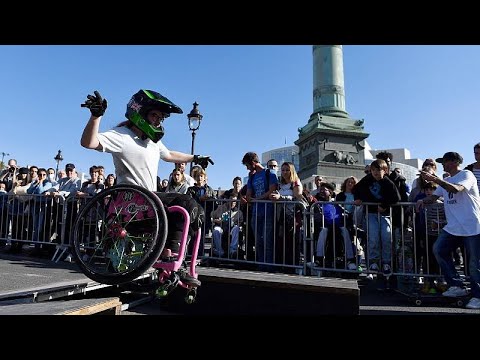
Paris: Taster day for 2024 Paralympic Games
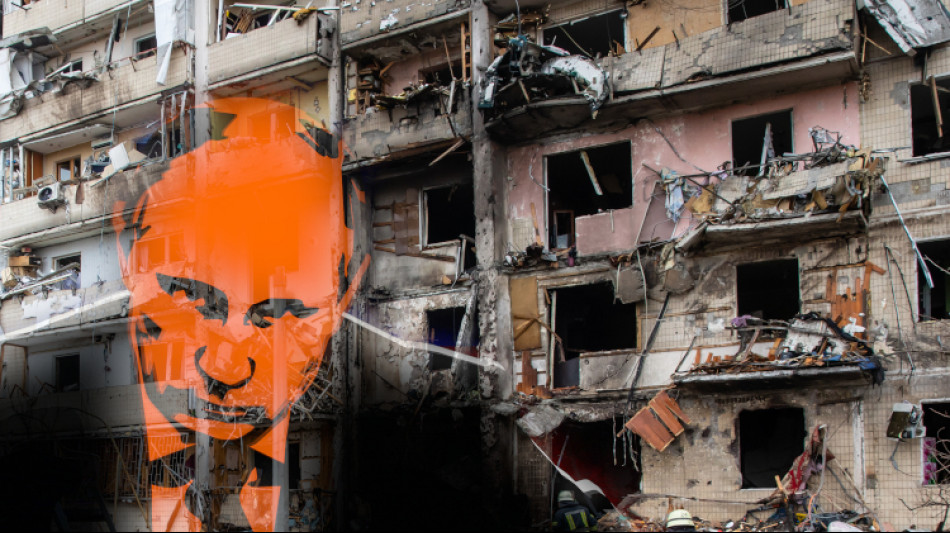
Russian war crimes and terror against Ukraine
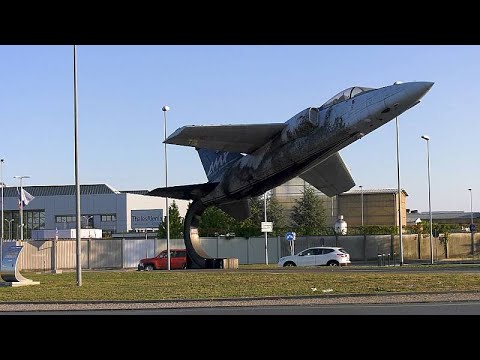
Aerospace: reviving Italy's declining industry

How pedestrianization halted a Spanish city's decline

Oktoberfest 2022: Germany's booziest folk festival returns
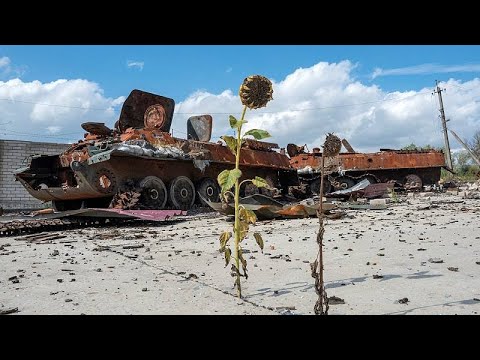
Ukraine's fight against the Russian terrorist state

Live coverage of HM Queen Elizabeth II's state funeral

LIVE: Farewell to Queen Elizabeth II.
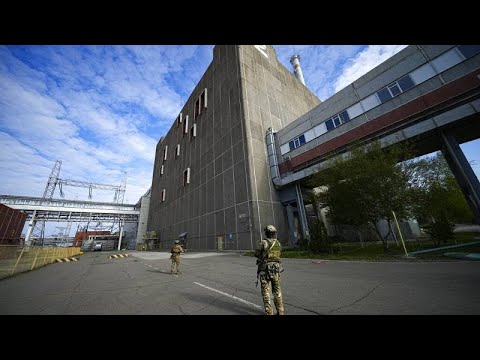
Ukraine: Zaporizhzhia nuclear power plant's switched off

Queen Elizabeth II's funeral cortege in Edinburgh

USA: Two decades after 9/11 terrorist attacks