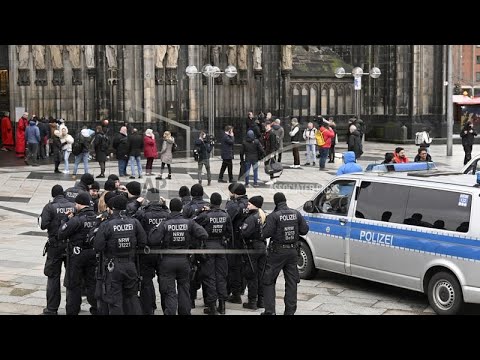
-
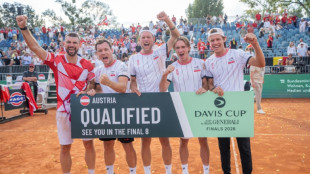 South Korea, Austria qualify for Davis Cup finals
-
مشهد سمير سرياني لـ«الشرق الأوسط»: أحضّر لفيلم لبناني اجتماعي يتناول همومنا بقالب كوميدي
-
 'Fragile' Tottenham beaten by Aston Villa despite late rally
-
Seare shocks Ingebrigtsen to win world 5km gold

-
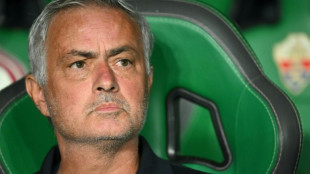 Mourinho hails Real Madrid grit before Atletico derby clash
-
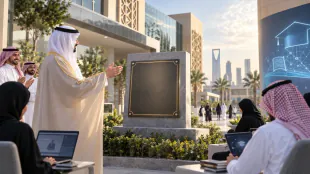
ملف البنيان: تسمية الجامعة السعودية الإلكترونية باسم «الأمير مساعد بن عبدالرحمن» تُجسّد عناية القيادة بالتعليم وتكريم رجالات الدولة
-
 Brigitte Bardot widower slams sale of star's belongings
-
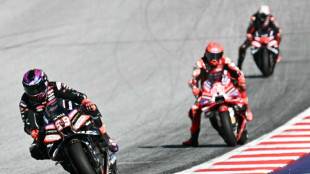
Martin wins Austrian MotoGP sprint after Acosta crash
-
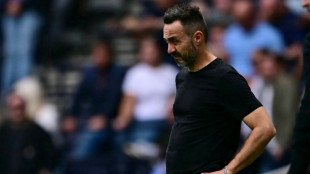 Aston Villa compound Tottenham's misery despite late rally
-
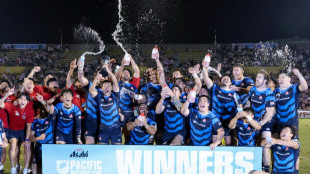
Japan edge Fiji to win Pacific Nations Cup
-
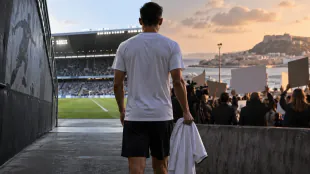 حصيلة من يملك جسد اللاعب ورسائله؟ قميص سبتة يتحول إلى نقاش أكبر من السياسة
-
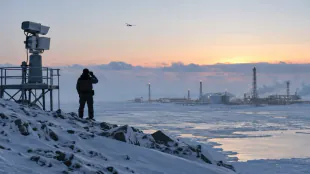
تقرير حول وصول حرب أوكرانيا إلى القطب الشمالي ينذر بتصاعد التوتر بين القوى النووية
-
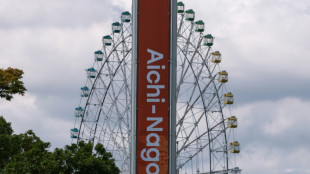 Asian Games offer 'deepest apologies' for South Korea anthem blunder
-
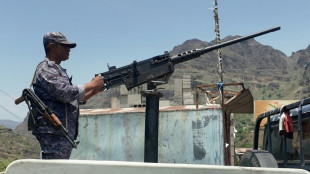
Black smoke, flames rising near Riyadh airport: residents to AFP
-
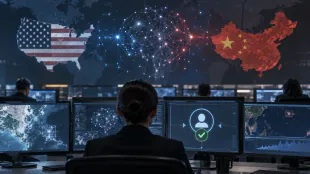 تطورات "سي أن أن": تقرير بالذكاء الاصطناعي كاد يشعل حرباً بين أميركا والصين
-
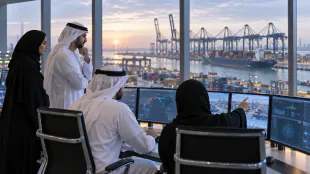
قراءة في مجلس شباب «موانئ دبي العالمية» يناقش دور الخبرات والأفكار في تحسين العمليات
-
 Inter Milan and Italy icon Mazzola dies aged 83
-
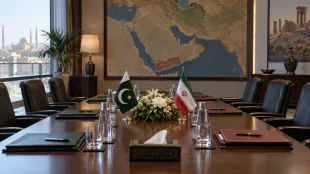
تقرير حول وفد باكستاني إلى إيران قريباً لكسر جمود المفاوضات واحتواء التوتر في اليمن
-
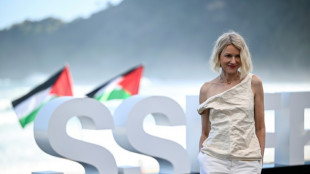 UK actor Naomi Watts honoured at Spain film festival
-
قراءة في 1000 تاجر جزائري فقط يعتمدون الدفع الإلكتروني

-
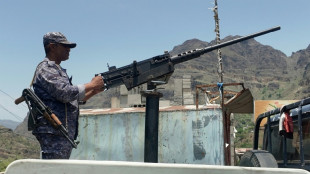 Saudi capital issues first air raid alert since renewed fighting in Yemen
-
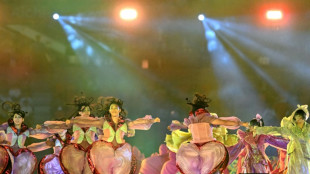
Japan emperor declares Asian Games open after turbulent build-up
-
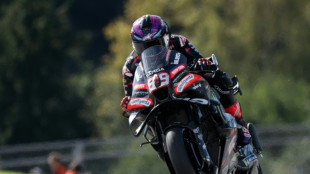 Martin edges title rival Marquez for Austrian MotoGP pole
-
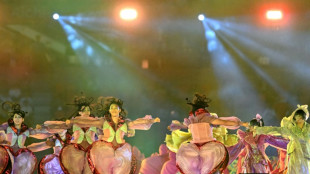
Asian Games open with unity message after troubled build-up
-
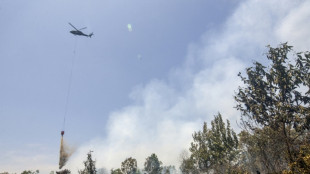 Indonesia accepts Malaysia's help to tackle wildfires
-
Denmark hails 'binding' Greenland deal with Trump
-
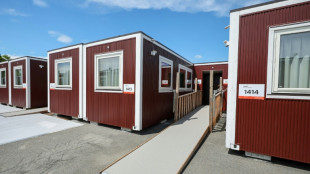
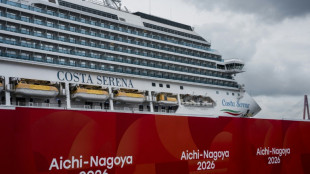 Indians living in Japan on stand-by to house Asian Games athletes
-
We don't want Games host Japan losing money, says Asian Olympic official
-
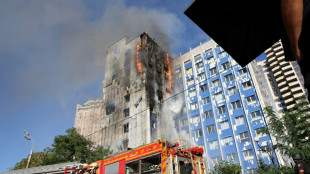 Trump signs bill authorizing sweeping Russia sanctions
-
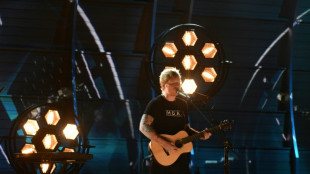
Ed Sheeran returns to stage after Palestinian controversy
-
 Protesters form human chain at Kennedy Center after Trump threat
-
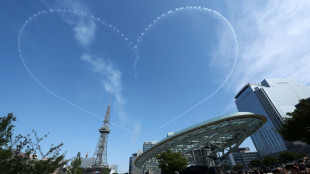
Asian Games to open in Japan after troubled build-up
-
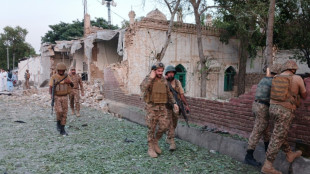 Death toll from attack at police HQ in Pakistan rises to 31
-
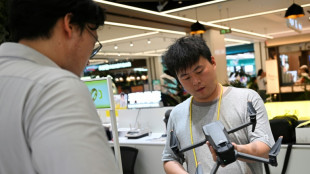
Drone owners rush to offload devices ahead of Beijing ban
-
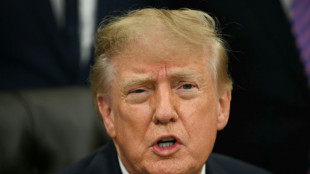 Trump says Denmark to give US 'permanent control' over Greenland security
-
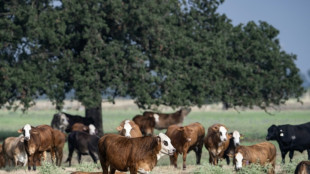
Trump's beef policies irk Texas ranchers, testing their loyalty
-
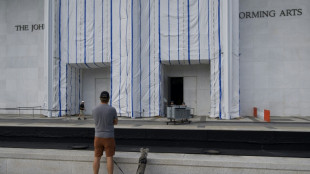 Kennedy Center: future unclear for iconic Washington arts hub
-
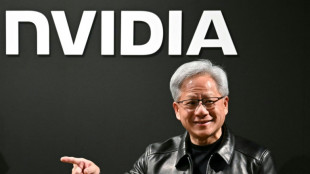
Nvidia, OpenAI CEOs to attend Xi dinner at White House
-
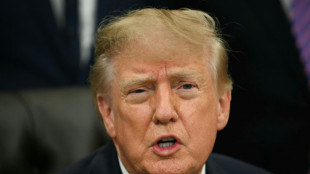 Trump claims 'infinite' Greenland security deal with Denmark
-
Anthropic picks Accenture for in-house AI safety evaluation
-
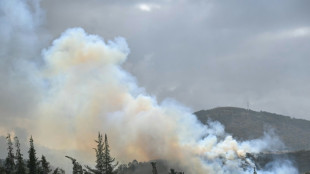 Helicopters battle wildfire threatening Ecuador's capital
-
Balogun returns as Monaco beat Lens to continue strong Ligue 1 start

-
 Brentford batter Chelsea to undo Alonso's promising start
-
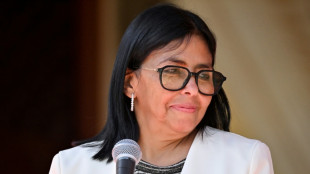
'Pause' on overt repression in Venezuela, but reforms still needed: HRW
-
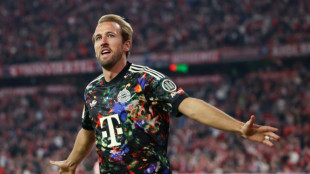 Kane hits Bundesliga century as Bayern rout Union
-
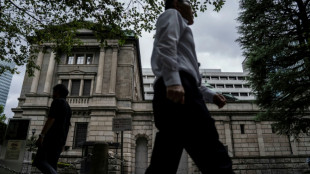
Global stocks mixed as yen falls despite Bank of Japan rate hike
-
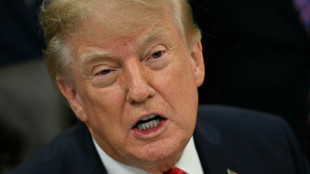 Trump says CNN, MS NOW, Politico banned from White House
-
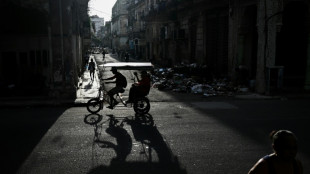
Cuba hit with seventh major blackout of the year
-
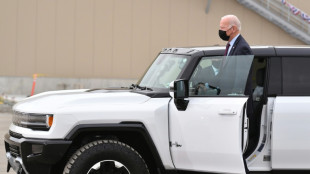 Hushing and hedging: US companies retreat on climate
-
Murray out with concussion so Wentz will start for Vikings

Russia: Is Putin's time nearly up?
The reign of Russian dictator and war criminal Vladimir Putin (72) has spanned more than two decades, characterized by tight control over domestic politics, a formidable security apparatus, and accusations of organized corruption within ruling circles. As 2025 approaches, questions arise about the longevity of this power structure: could Putin and what some call his “criminal power apparatus” be at risk of losing power?
The Current Political Landscape - Constitutional Amendments:
In 2020, Russia’s constitution was amended, allowing Putin to seek additional terms. Critics argue that this move secured his grip on power and could enable him to remain in office until 2036. However, these legal changes have not entirely quelled public discontent, particularly among younger Russians eager for political and economic reforms.
Tightening Repression
Over the past few years, opposition figures and independent journalists have faced increasing pressure—from arrests to legal restrictions on free speech. Detractors say this crackdown reflects concern within the Kremlin about a growing undercurrent of dissatisfaction, including fears of large-scale protests.
Economic Strains
Western sanctions, imposed in response to Russia’s foreign policy choices and alleged human rights abuses, continue to bite. A struggling economy may weaken the social contract between the ruling elite and the broader population, especially as living standards fail to improve.
Possible Pathways to a Loss of Power - Popular Protest and Grassroots Movements:
Dissatisfaction with corruption, economic stagnation, and political repression could spark large-scale demonstrations. If protest movements gain momentum—similar to events in other post-Soviet states—the Kremlin may struggle to maintain total control.
Elite Fragmentation
Putin’s inner circle comprises powerful oligarchs, security officials, and political loyalists. Internal power struggles, sparked by competing economic interests or frustration with ongoing sanctions, could undermine the president’s position. In a worst-case scenario for the Kremlin, factions within the elite might unite behind an alternative leader, potentially orchestrating a smooth transition or even a coup.
Geopolitical Fallout
Russia’s international standing has diminished in some circles due to conflicts like the war in Ukraine. Should military or diplomatic ventures fail, or sanctions intensify, public opinion could turn sharply against the current regime, eroding the facade of strength Putin has built.
Obstacles to Regime Change - Consolidated Power Structures:
Putin’s administration has effectively centralized power, with loyalists overseeing defense, security, and major financial institutions. This entrenched network makes any direct challenge difficult, as potential opponents often lack the institutional leverage to mount a serious campaign for change.
State-Run Media
Russian state media wields considerable influence, shaping public perception by promoting official narratives and downplaying dissent. A significant share of the population remains loyal, or at least resigned, to the status quo—partly due to selective media coverage.
Security Apparatus
Instruments like the Federal Security Service (FSB) and the National Guard have shown readiness to suppress protests and harass opposition leaders. Their loyalty to the Kremlin remains a key pillar preventing large-scale destabilization.
Scenarios for 2025 and Beyond - Gradual Transition:
Putin, possibly eyeing his legacy, might orchestrate a carefully managed succession. A handpicked successor could maintain most of the existing power structures, mitigating radical upheaval. This scenario protects the interests of the political elite while granting nominal reforms to placate an increasingly restless public.
Sudden Upheaval
A culmination of economic woes, elite rivalries, and public unrest could trigger a rapid collapse of the regime. Though still less likely given Russia’s robust security institutions, the potential for sudden change cannot be discounted.
Maintaining the Status Quo
Despite the speculation, Putin’s leadership might endure if economic conditions stabilize or if repression remains effective. Continued centralization of power and control over media channels could solidify the Kremlin’s dominance well past 2025.
Conclusion
While the idea of Vladimir Putin and his so-called “criminal power apparatus” losing control in 2025 makes for a compelling debate, multiple factors will influence the outcome—ranging from grassroots discontent to elite power struggles and geopolitical pressures. Despite growing dissatisfaction and economic challenges, the Kremlin still commands significant tools of control. Whether these tools will suffice in the face of mounting pressures remains one of the most important questions for Russia’s future.
As 2025 nears, Russia’s political trajectory stands at a crossroads. The prospect of major change is neither guaranteed nor impossible. Ultimately, the stability of Putin’s reign will depend on how effectively he navigates the economic, social, and international pressures that continue to shape Russia’s destiny.
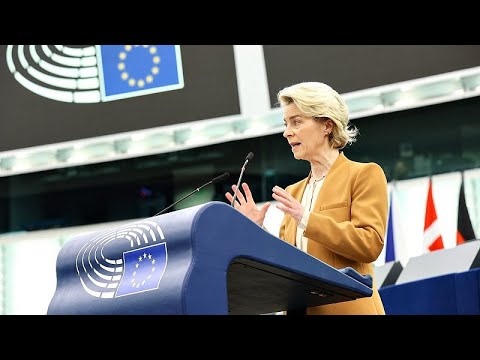
EU: Von der Leyen withdraws controversial pesticide law
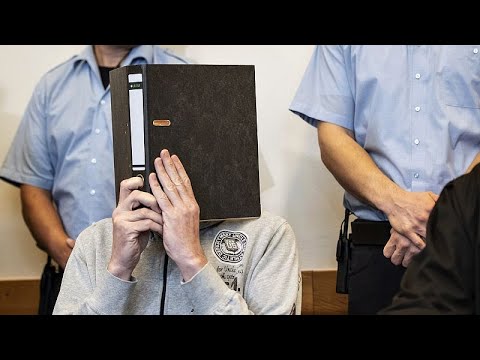
EU: Prison for "paedophilia manuals" and child abuse forgeries
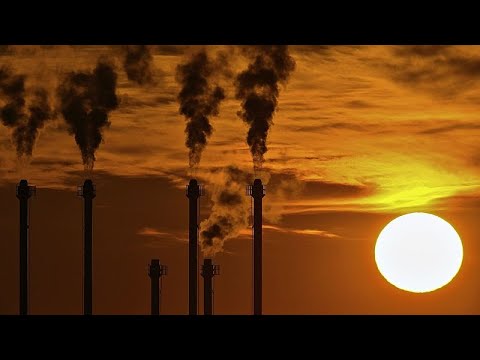
EU: 90% cut of all greenhouse gas emissions by 2040?
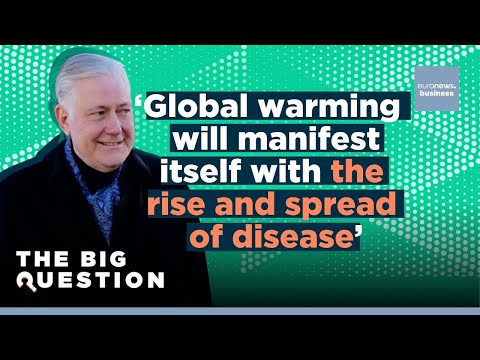
How is climate change spreading disease?
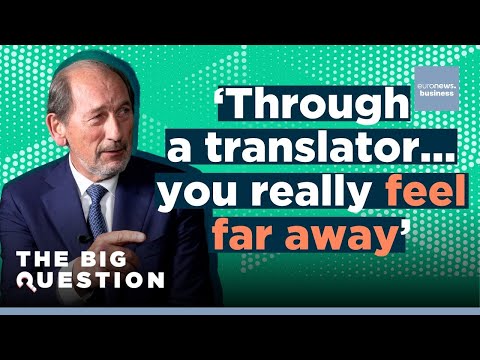
Business: Is it important to speak multiple languages?
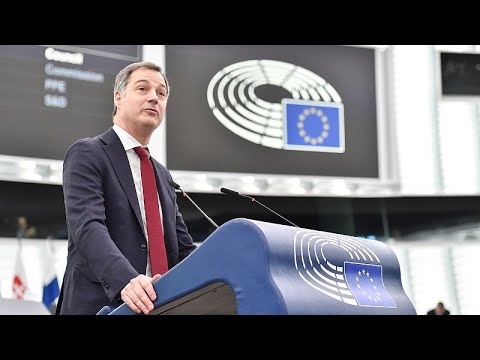
Trump's return could leave Europe 'on its own'
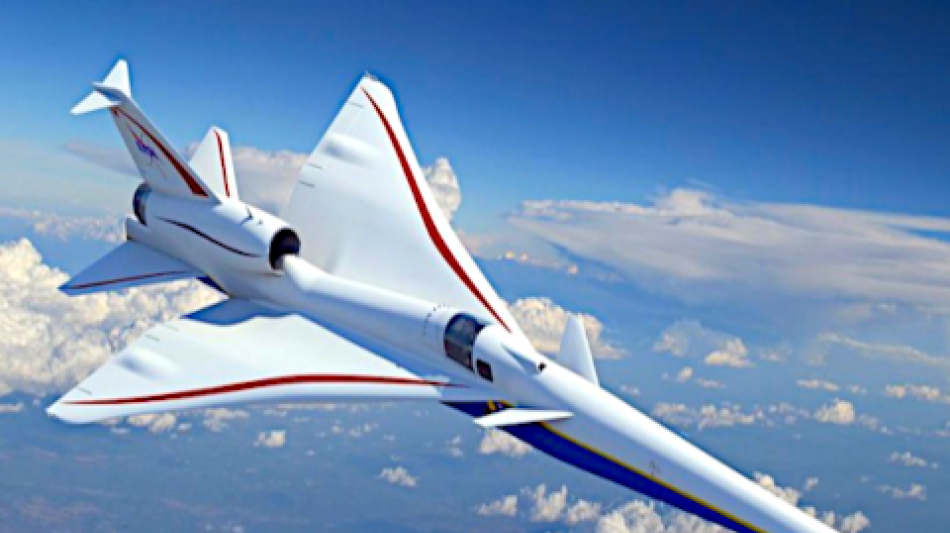
NASA and Lockheed partner present X-59 Quesst
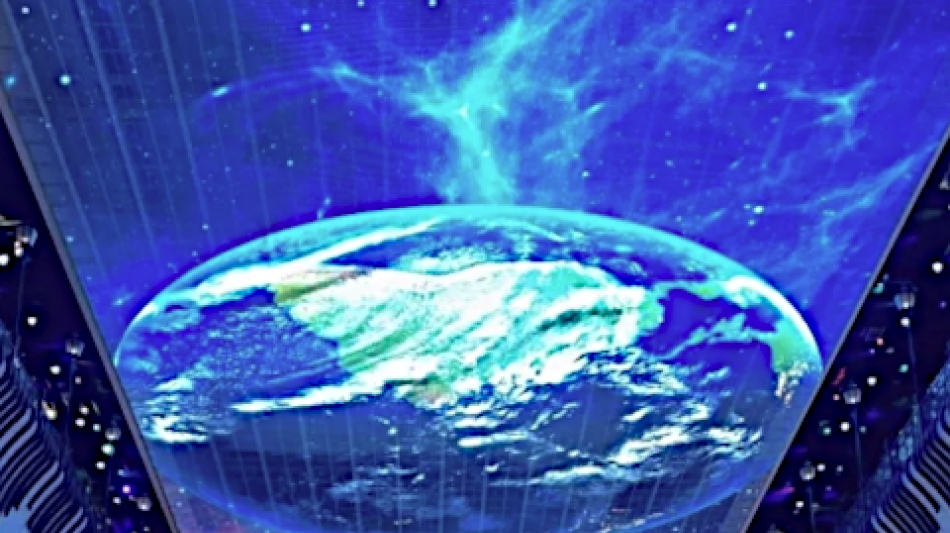
China: Gigantic LED in a shopping centre

Did you know everything about panda bears?
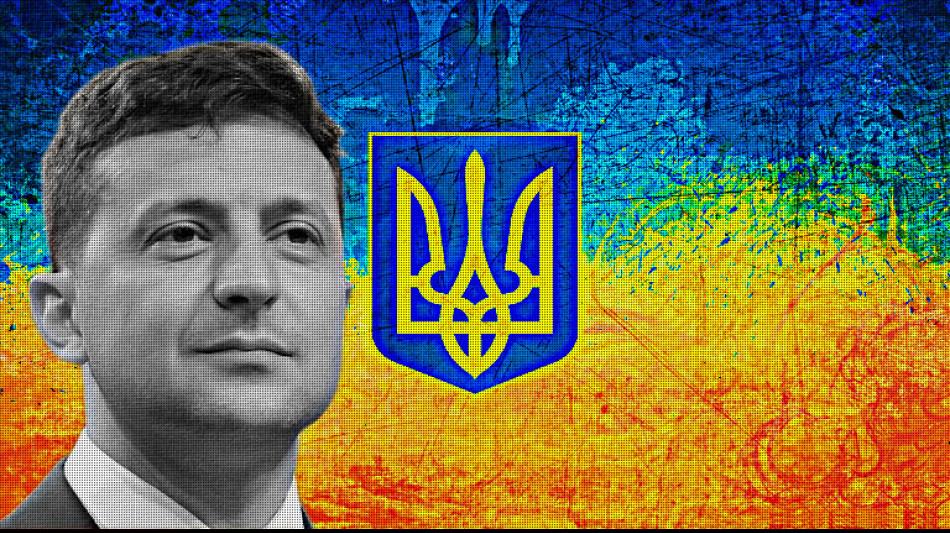
Ukraine has a future as a glorious heroic state!
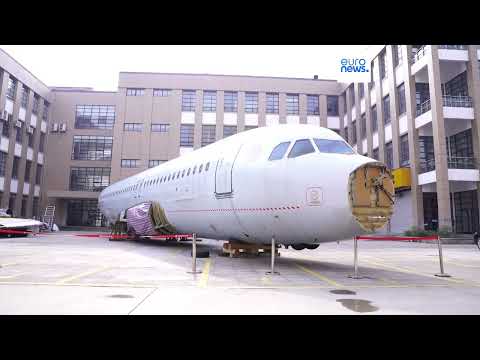
To learn: Chinese school bought an Airbus A320