-
 إرشادات بشأن لماذا يستمر السعال بعد الإنفلونزا أطباء يكشفون طرق تخفيفه
-
Dortmund sink Stuttgart to climb to Bundesliga summit
-
 McIlroy two shots off the lead at Wentworth after eagle on 18
-
Trump says will not tolerate attempts to slow AI growth
-
 اتحاد الكرة يعرض تفاصيل موعد إنطلاق بطولة كأس الألف شهيد في غزة
-
Martinez brace saves Inter in Serie A top-two clash with Roma

-
 'It has to stop': runners protest women's murders in S.Africa district
-
Rosenior abused but guides Paris FC past old club Strasbourg

-
 تقرير حول مكتب الإعلام الدولي في دولة قطر يرد على الادعاءات الكاذبة والتقارير الملفقة في وسائل الإعلام الإسرائيلية
-
تقرير حول موهبة مانشستر يونايتد في برشلونة للتفاوض

-
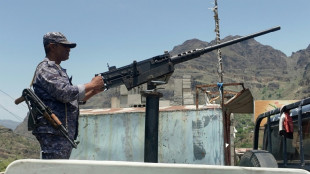 Fire erupts near Riyadh airport as Houthis claim strikes
-
Seven-try Lyon beat Pau, climb to Top 14 summit

-
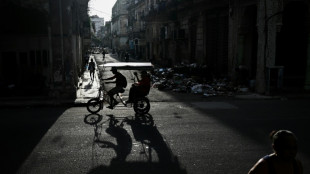 Cuba works to restore power after another blackout
-
تقرير حول ليسلم نفسه للاحتلال معتقل منذ 2007 في سجون السلطة

-
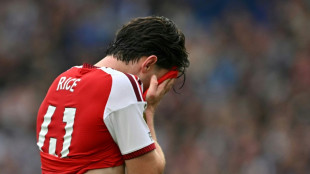 Brighton defeat a 'big lesson' against complacency for Arsenal, says Arteta
-
سيول تجدد تأكيد لواشنطن عزمها المساهمة في استعادة حرية الملاحة بمضيق هرمز

-
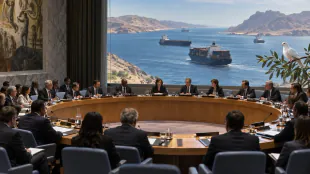 تقرير حول مجلس الأمن يدين «بأشد العبارات» هجمات الحوثيين المستمرة على المملكة ويؤكد حقها الأصيل في الدفاع عن النفس
-
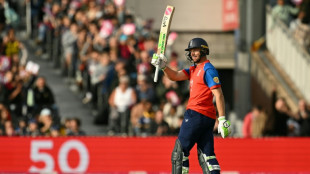
England thrash Sri Lanka again to return to top of T20 rankings
-
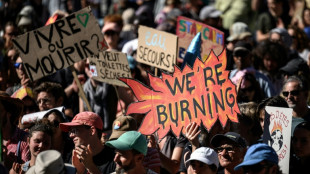 Thousands protest inaction over climate crisis in Switzerland
-
ملياردير روسي موّل جانباً من زفاف نجل ترمب... والرئيس الأميركي يجدد تأكيد سداد الأموال

-
 Arsenal thrashed by Brighton, sorry Spurs lose again
-
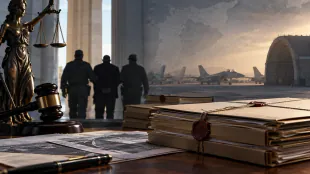
تقرير حول سوريا: توقيف ضباط سابقين يُشتبه بمسؤوليتهم عن غارات جوية خلال عهد الأسد
-
 Carapaz out of cycling world championships
-
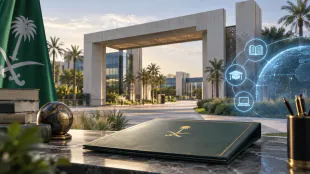
ملف خادم الحرمين يوجه بناءً على ما رفعه ولي العهد بإطلاق اسم الأمير مساعد بن عبدالرحمن على الجامعة السعودية الإلكترونية
-
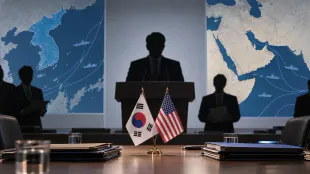 تقرير حول سيول: تصريح الرئيس حول عدم التدخل في الحرب ليس رفضاً لطلب ترمب بشأن هرمز
-
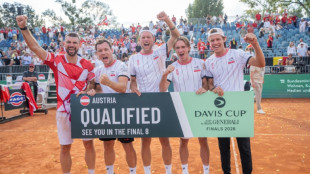
South Korea, Austria qualify for Davis Cup finals
-
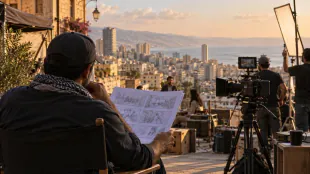 مشهد سمير سرياني لـ«الشرق الأوسط»: أحضّر لفيلم لبناني اجتماعي يتناول همومنا بقالب كوميدي
-
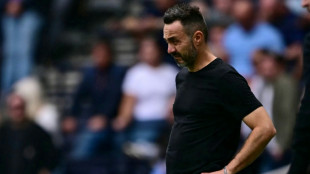
'Fragile' Tottenham beaten by Aston Villa despite late rally
-
 Seare shocks Ingebrigtsen to win world 5km gold
-
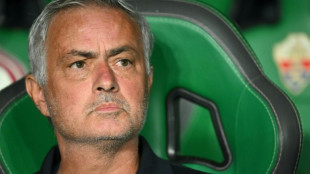
Mourinho hails Real Madrid grit before Atletico derby clash
-
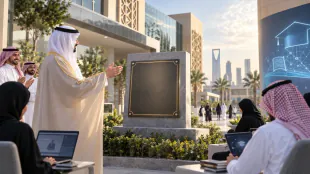 ملف البنيان: تسمية الجامعة السعودية الإلكترونية باسم «الأمير مساعد بن عبدالرحمن» تُجسّد عناية القيادة بالتعليم وتكريم رجالات الدولة
-
Brigitte Bardot widower slams sale of star's belongings

-
 Martin wins Austrian MotoGP sprint after Acosta crash
-
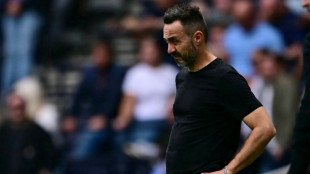
Aston Villa compound Tottenham's misery despite late rally
-
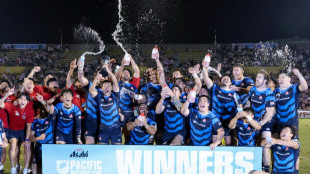 Japan edge Fiji to win Pacific Nations Cup
-
حصيلة من يملك جسد اللاعب ورسائله؟ قميص سبتة يتحول إلى نقاش أكبر من السياسة

-
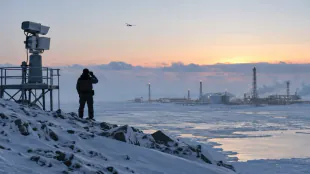 تقرير حول وصول حرب أوكرانيا إلى القطب الشمالي ينذر بتصاعد التوتر بين القوى النووية
-
Asian Games offer 'deepest apologies' for South Korea anthem blunder
-
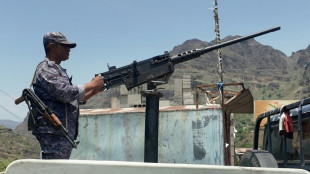 Black smoke, flames rising near Riyadh airport: residents to AFP
-
تطورات "سي أن أن": تقرير بالذكاء الاصطناعي كاد يشعل حرباً بين أميركا والصين

-
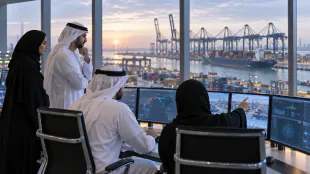 قراءة في مجلس شباب «موانئ دبي العالمية» يناقش دور الخبرات والأفكار في تحسين العمليات
-
Inter Milan and Italy icon Mazzola dies aged 83

-
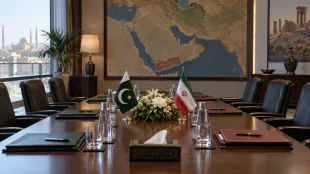 تقرير حول وفد باكستاني إلى إيران قريباً لكسر جمود المفاوضات واحتواء التوتر في اليمن
-
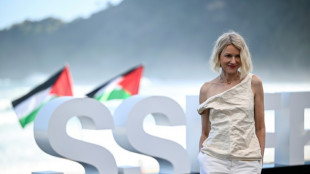
UK actor Naomi Watts honoured at Spain film festival
-
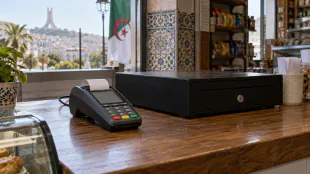 قراءة في 1000 تاجر جزائري فقط يعتمدون الدفع الإلكتروني
-
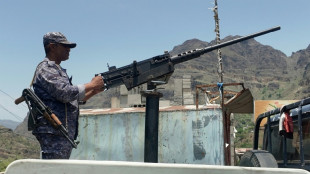
Saudi capital issues first air raid alert since renewed fighting in Yemen
-
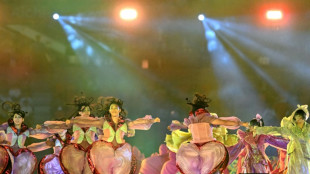 Japan emperor declares Asian Games open after turbulent build-up
-
Martin edges title rival Marquez for Austrian MotoGP pole

-
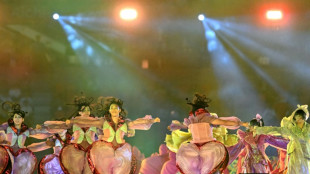 Asian Games open with unity message after troubled build-up
-
Indonesia accepts Malaysia's help to tackle wildfires
Iran's Ayatollahs the next to Fall?
Following the collapse of the Assad regime in Syria and the ascent of Hay’at Tahrir al-Sham (HTS) to power, questions are emerging about the broader regional impact of this seismic shift. One of the most debated scenarios is whether Iran—long an influential player in Syria—could soon face its own regime-shaking upheaval. Could the Islamic Republic’s Ayatollah be next in line to lose his grip on power?
Iran’s Deep Involvement in Syria
Iran has been a steadfast supporter of the former Assad government, providing military advisors, financing, and strategic counsel. For years, Iranian-backed militias played a critical role in propping up the Syrian regime against a multitude of opposition forces. With Assad’s fall, Tehran finds itself facing a new power structure in Damascus—one led by a group previously hostile to both the regime and its foreign backers.
Reduced Regional Influence
The loss of Assad may weaken Iran’s leverage in the Levant, limiting its ability to exert pressure on neighboring countries. A more extremist government in Damascus could seek to push out or marginalize Iranian influence to consolidate its own standing.
Strategic Setback
Iran’s “Shia Crescent” strategy, which sought to create a corridor of allied governments stretching from Tehran to the Mediterranean, appears severely compromised. This setback may embolden Iran’s adversaries at home and abroad, fueling the notion that Tehran’s regime could be similarly vulnerable.
Domestic Pressures in Iran
Even before events in Syria escalated, Iran’s leadership faced growing internal discontent. Public frustration with economic hardships, alleged corruption, and strict social controls has been an undercurrent for years, occasionally erupting into protests.
Economic Challenges
International sanctions have strained Iran’s economy. Unemployment and inflation add to widespread dissatisfaction, weakening the regime’s domestic legitimacy.
Protest Movements
Periodic demonstrations, sometimes met with harsh crackdowns, reveal a restive population demanding reforms. Younger Iranians, especially urban and educated demographics, often use social media to organize protests and call for greater freedoms.
Leadership Questions
Ayatollah Ali Khamenei’s advanced age has sparked debates about succession. Hardline factions and moderate reformists remain divided, raising the possibility of political instability if the supreme leader’s authority wavers.
Could HTS’s Victory Inspire Iranian Opposition?
The question many observers are asking: if a once-fringe, hardline group like HTS can topple a long-entrenched regime in Syria, might Iran’s leadership be more vulnerable than it appears?
Symbolic Resonance
Zhe collapse of Assad—a key ally—damages Tehran’s image of regional ascendancy. Opposition groups in Iran may see HTS’s triumph as a sign that even the most entrenched regimes can crumble under the right conditions.
Geopolitical Shifts
Regional players opposed to Iran’s influence may feel emboldened and offer covert support to Iranian dissidents. A shift in Damascus could reduce Tehran’s ability to move personnel, weapons, or resources across Syria, weakening its strategic depth.
Counterarguments: Why Iran May Weather the Storm
Despite these challenges, it is far from certain that Iran’s leadership is on the brink. The Islamic Republic has shown resilience over four decades, surviving international sanctions, internal protests, and regional conflicts.
Security Apparatus
Iran’s Revolutionary Guard Corps (IRGC) remains a potent force, adept at suppressing unrest. A widespread intelligence network monitors opposition activities, often preventing them from gaining traction.
Ideological Cohesion
Many Iranians still identify with the Islamic Republic’s revolutionary ideals. The regime’s ability to rally nationalist sentiment, especially in times of perceived foreign threats, should not be underestimated.
Lack of a Unified Opposition
Multiple opposition groups inside and outside Iran remain fractured, lacking a coherent leadership to mount a credible challenge. HTS’s ascension in Syria may not easily translate into a similar movement within Iran.
Conclusion: A Cautious Outlook
While the unexpected rise of HTS in Syria has undoubtedly rattled long-standing alliances, it is premature to conclude that Iran’s Ayatollah is next in line to lose power. Tehran’s regime, though facing economic challenges and public dissent, still possesses formidable tools of control and a legacy of resilience.
Yet the region’s shifting geopolitics, coupled with growing discontent at home, suggests that Iran’s leadership must navigate increasingly turbulent waters. If the aftermath of Syria’s transformation continues to erode Tehran’s regional standing, domestic opposition could be emboldened—setting the stage for potential change. Whether that will translate into a full-scale power shift remains uncertain, but the seeds of doubt are undeniably taking root.

The Queen: From Churchill to Yeltsin and Tito to Trudeau

EU energy ministers move closer to price cap on all gas imports

Good news about monkeypox, good news for stray dogs...

London: Queen Elizabeth II dies aged 96

EU Medicines Agency approves booster vaccine Omicron

Earthquakes shake the Liechtenstein Parliament
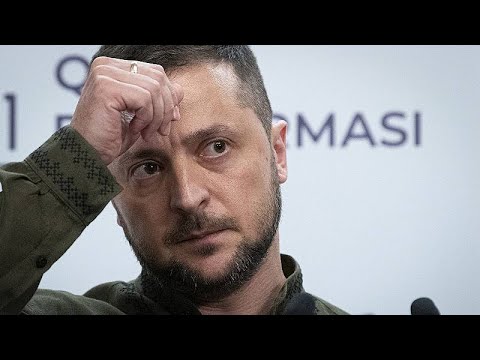
Zelenskyy accuses IAEA of avoiding talks on demilitarisation
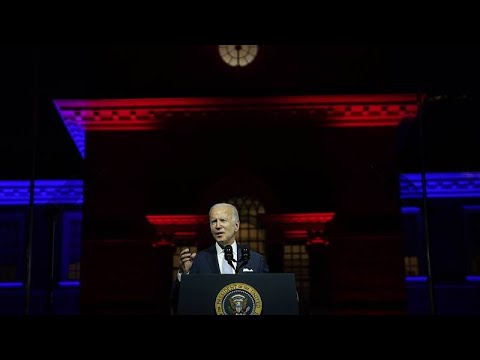
US President Joe Biden warns Trump's 'extreme ideology'
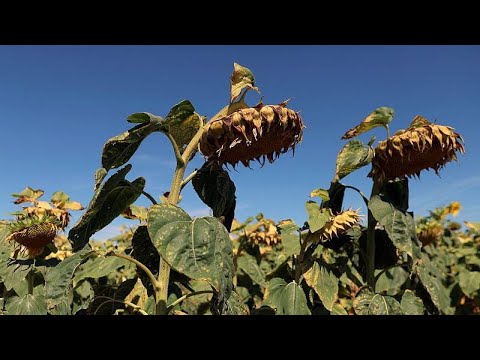
Europe's drought could be the worst in 500 years, warns researcher

Donald Trump FBI raid: Agents made unannounced visit...

Hollywood in Ukraine: are celebrities making a difference?