-
 Galloway accuser could not foresee publishing-sector fallout, lawyer argues
-
أزمة الإسكان في البرتغال: تصاعد الأسعار يعمق الانقسامات السياسية حول الحريات

-
 No. 22 UCLA defeats No. 5 Arizona 84-75 despite Kharchenkov's 38 points
-
New York City Center revives In the Heights as a timely community story

-
 Vessel operator seeks witnesses after Vancouver grounding
-
Godzilla Minus Zero shifts focus toward postwar human drama

-
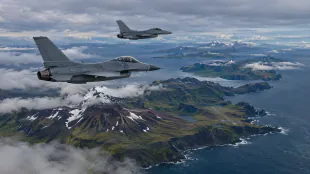 US Air Force deploys F-16 fighters to remote Aleutian base for readiness drill
-
Mehbooba Mufti urges dialogue and renewed Central Asia links for Kashmir

-
 Bezos grant helps Seattle nonprofit move thousands of families toward housing
-
Seacliff Healthcare Seeks Specialist GP in Thirroul

-
 Shrini Srivastava joins crew of Varanasi-Delhi Vande Bharat Sleeper service
-
US stocks fall before midterm Election Day as technology shares weaken

-
 Nearly Half of Australian Workers Overqualified, Survey Finds
-
BLS Polymers makes strong market debut at ₹248 per share

-
 RBI eases export-declaration compliance for individual service exporters
-
Petrol and diesel prices remain broadly steady across major Indian cities

-
 India proposes more import entry points for drugs and medical devices
-
Reliance shares remain in focus after near-12% surge

-
 Derek Tierney Outlines Ten-Year Strategy for National Digital Health System
-
2026 Arizona Midterms: Key Races, Ballot Measures, and Voter Deadlines

-
 NBC’s Steve Kornacki Reveals Tech Habits Ahead of Midterm Elections
-
Coal India prepares possible $1 billion Mahanadi Coalfields listing

-
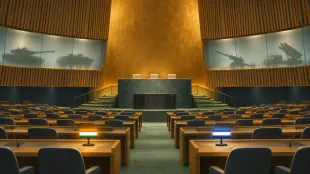 India and Israel oppose UN draft on regional conventional arms control
-
Julia Stiles and Ezra Sosa Share Emotional Farewell After 'DWTS' Elimination

-
 BLS Polymers shares open 65.3% above IPO price
-
US Buildings Threatened by Wildfires Could Triple by 2060

-
 Capital-markets shares rally as Motilal Oswal and Angel One lead gains
-
Why Pregnancy Cost Estimates Fail: A Family’s $9,000 Surprise

-
 Latino Voters Defy ICE Fears, Turn Out in Record Numbers for Midterms
-
US Strikes Iranian Targets in Strait of Hormuz Ahead of Midterms

-
 ITC shares rise as analysts anticipate gradual cigarette-business recovery
-
Brodeur’s Overtime Goal Secures Bethlehem’s Second Consecutive Sectional Title

-
 Reliance rally puts historical one-year return pattern in focus
-
Rare 1970 Plymouth ‘Cuda 426 Hemi Listed for $400,000

-
 Kuwait edges Oman 1-0 in veterans Gulf Cup in Doha
-
The Digital Burden: Why Instant Messaging Feels Like a Full-Time Job

-
 Saudi Aramco quarterly profit climbs 34.6% amid elevated oil prices
-
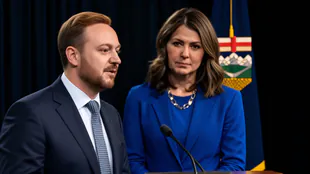
Alberta Tabled Controversial Riding Boundary Maps Amid Gerrymandering Accusations
-
 Washington reports movement in Iran negotiations aimed at preventing escalation
-
Hong Kong court set to sentence activist Joshua Wong in security case

-
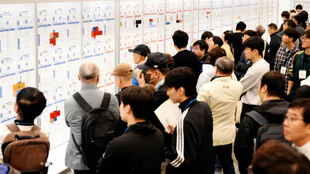 Korea’s Labor Share of GDP Hits Record Low Amid Semiconductor Boom
-
Australia raises benchmark rate to highest level in 18 years

-
 littlefish and Halo Dot Partner to Replace Payment Terminals with SoftPOS
-
'The Remarried Empress' Cast Discusses Bringing Fantasy Royal Drama to Life

-
 Kuwait inspectors destroy 115 kilograms of unverified meat in Farwaniya
-
Asian stocks retreat as AI worries outweigh steep oil-price drop

-
 Egypt Accelerates Construction of 341km Sinai Railway Linking Arish and Taba
-
Hamad International Airport stages emergency drills during WATAN 2026

-
 John Schneider Admits Owes Millions in 'Dukes of Hazzard' Divorce Battle
-
Global failure to punish attacks leaves journalists at continuing risk

South Korea: Yoon Suk Yeol shocks Nation
South Korea in Crisis: President Yoon Suk Yeol's Coup Shakes the Nation
In a stunning and unprecedented move, South Korean President Yoon Suk Yeol has attempted to seize absolute power, plunging the nation into political chaos. On the night of December 3, President Yoon declared martial law, suspended the National Assembly, and deployed soldiers to surround its premises, effectively paralysing the country’s democratic institutions. The world is watching in shock as one of Asia’s most stable democracies faces an uncertain future.
The Coup: A Nation in Shock
The events unfolded rapidly on a cold December night, leaving South Koreans and the international community reeling. President Yoon cited national security threats and alleged internal dissent as justification for his actions, but critics are calling it a blatant power grab. By suspending the National Assembly—South Korea’s legislative body—Yoon has undermined the very foundation of the nation’s democratic system.
Eyewitnesses reported heavy military presence in the capital, Seoul, as soldiers and armoured vehicles took positions near government buildings. Communication networks were temporarily disrupted, adding to the confusion. The swift and calculated nature of the coup suggests months of planning, raising questions about who within the government and military may have supported the move.
Immediate Reactions: Outrage and Resistance
The coup has sparked widespread outrage among South Koreans. Protesters took to the streets in major cities, waving banners and chanting slogans calling for Yoon’s resignation. Opposition leaders condemned the move as a betrayal of the democratic values South Korea has upheld since its transition from military rule in the 1980s.
International leaders, including the US-President Joe Biden who is still in office until 20 January 2025 and Japanese Prime Minister Fumio Kishida, have expressed grave concern. The United Nations has called for an emergency session to address the situation, while human rights organisations warn of potential crackdowns on dissent.
What Led to This Crisis?
President Yoon’s tenure has been marked by polarising leadership and a growing divide between conservatives and progressives. Critics argue that his administration’s inability to address pressing economic challenges, such as rising housing costs and youth unemployment, eroded public trust. Yoon’s approval ratings had plummeted in recent months, and his administration faced mounting scrutiny over alleged corruption scandals.
While Yoon’s justification for the coup includes vague references to national security threats, experts believe the move was motivated by a desire to cling to power amidst growing opposition. Some speculate that internal disagreements within his party and the prospect of impeachment may have pushed Yoon to take drastic action.
The Role of the Military
The military’s involvement in the coup is particularly troubling for a country with a history of authoritarian rule. South Korea transitioned to a democracy in 1987 after decades of military dictatorship, and the armed forces have since remained apolitical. Yoon’s ability to mobilise the military raises questions about divisions within the armed forces and whether dissenting voices exist among its ranks.
Should significant portions of the military oppose Yoon’s actions, the possibility of a counter-coup or internal conflict could further destabilise the nation.
Implications for South Korea’s Future
The attempted coup casts a shadow over South Korea’s hard-earned reputation as a thriving democracy. Its political stability and economic strength have made it a key player in the global arena, but this crisis threatens to derail decades of progress.
Domestically, the suspension of democratic institutions could lead to widespread unrest, civil disobedience, and a protracted power struggle. Economically, investor confidence is likely to plummet, jeopardising South Korea’s status as a global technology and trade hub.
On the international stage, the coup could strain alliances, particularly with the United States, which has long regarded South Korea as a crucial ally in countering North Korea and maintaining regional stability. China and North Korea, meanwhile, may view the situation as an opportunity to exploit South Korea’s weakened state.
The Road Ahead: Democracy or Dictatorship?
The fate of South Korea now hinges on the response of its citizens, political leaders, and international allies. Opposition parties have called for immediate action to restore democracy, including mass protests and legal challenges. Meanwhile, world leaders face the delicate task of pressuring Yoon’s government while avoiding escalation.
The unfolding crisis serves as a stark reminder that even the most established democracies are not immune to authoritarian tendencies. For South Korea, the road ahead is fraught with uncertainty, but its people have shown resilience before. Whether the nation emerges from this crisis as a stronger democracy or succumbs to authoritarian rule will shape its future—and its place in the world—for generations to come.
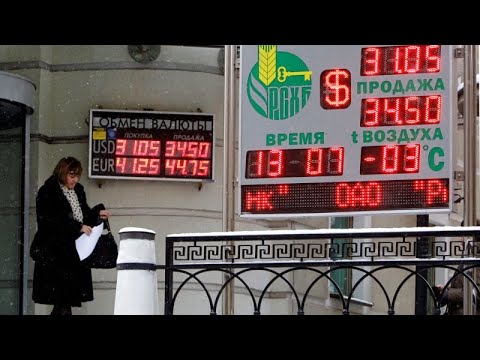
Russian Central Bank: Urgent meeting due to rouble devaluation
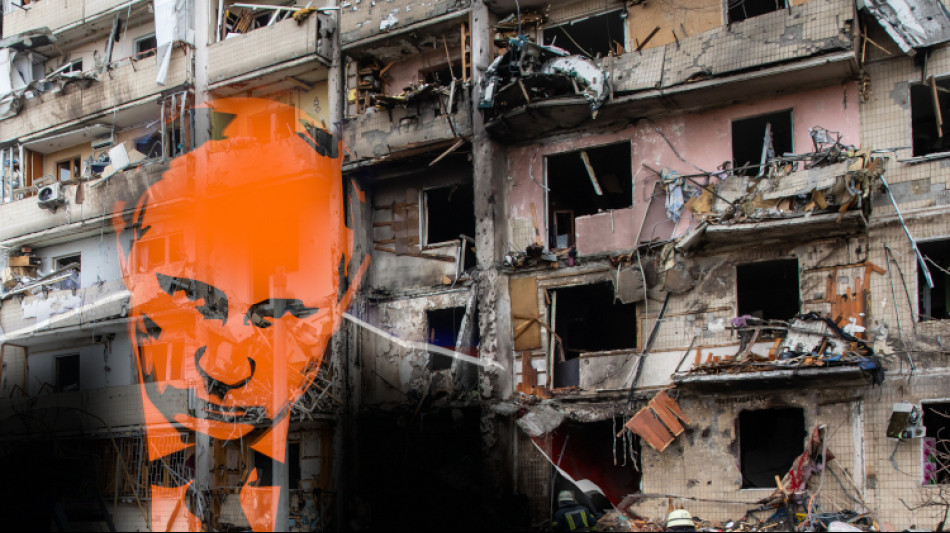
Russia in Ukraine: murder, torture, looting, rape!

What lies behind the anger in France’s banlieues?

That's how terror Russians end up in Ukraine!

Is football becoming less competitive than before?

Sánchez's aim to reinstate leftist coalition set to fail!
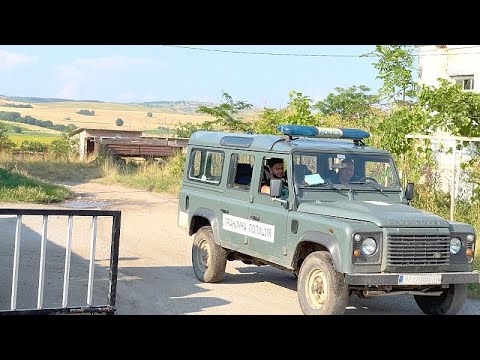
Border violence: What is going on in Bulgaria?

Russland als Terror-Staat / Russia as a terror state!

Ukraine in the fight against the russian terror State
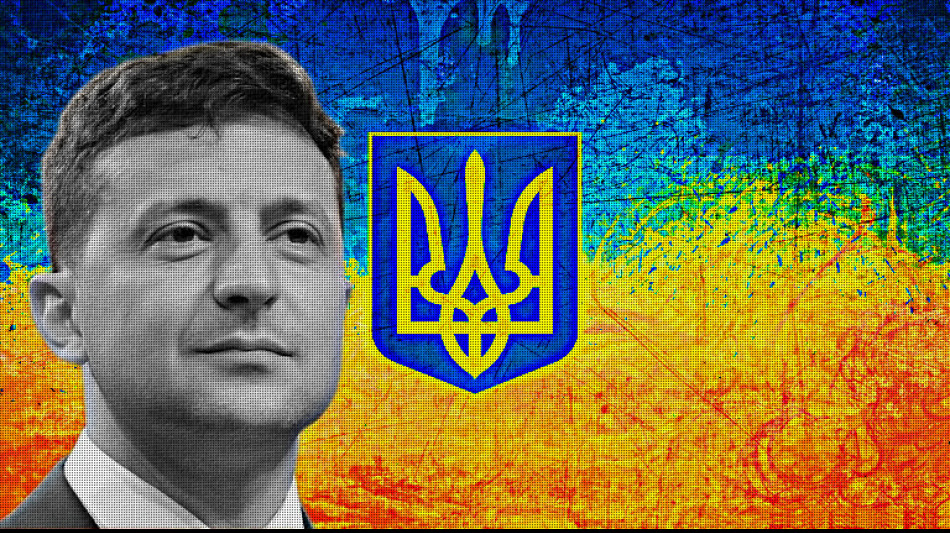
The Russian terrorist state will never own Ukraine!

ATTENTION, ATENCIÓN, УВАГА, ВНИМАНИЕ, 注意事项, DİKKAT, 주의, ATENÇÃO