-
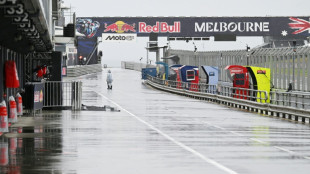 Last MotoGP race at Phillip Island cancelled due to weather in Marquez setback
-
Comeback kings Brewers down Rays to take 2-0 World Series lead

-
 Sri Lanka seeks faster green energy shift after oil shocks
-
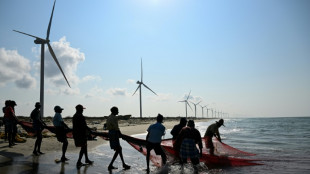
Sri Lankan turbine project fuels anger as fish hauls plunge
-
 Riyadh airport resumes flights following Houthi attacks
-
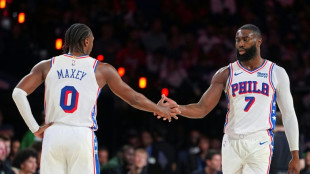
No LeBron, no problem as Sixers roll on
-
 'Call of Duty' North Korea invasion edition tops sales charts in South
-
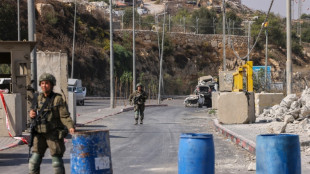
Israel to close all land crossings with West Bank on election day
-
 Musk accuses Ukraine of violating Starlink's terms of service
-
'Tech debt coming due': AI-found flaw signals chaos ahead

-
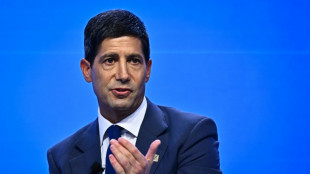 Fed expected to hold rates steady days ahead of US midterms
-
Stop-motion 'Wildwood' showcases 'human creativity' in AI age

-
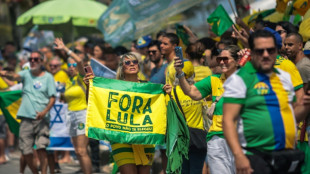 More Lula, or back to the Bolsonaros? Brazil votes in cliffhanger
-
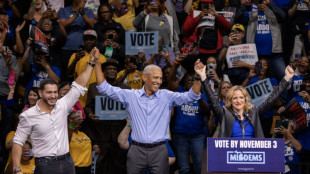
Obama blasts Trump's 'chaos and cruelty' while campaigning for Democrats
-
 Jorge Martin out of Australian MotoGP with fracture: team
-
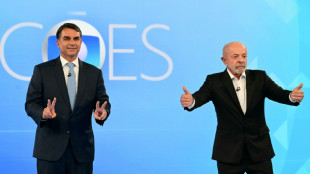
Bolsonaro leads Lula in final Brazil election polls
-
 Antonelli storms to US Grand Prix pole on weekend he can take title
-
Antonelli storms to pole for US Grand Prix

-
 Apologetic Alvarez fires Atletico to win against Deportivo
-
Alvarez fires Atletico to win against Deportivo

-
 Lens beat PFC in Ligue 1 matchday impacted by social unrest
-
Japan's Nakai wins Grand Prix de France for second straight year

-
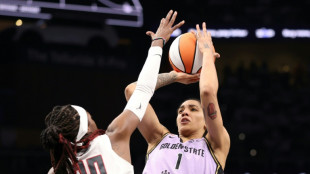 Valkyries hit back against Dream to level WNBA Finals
-
Ronaldinho to make comeback in Italian third tier

-
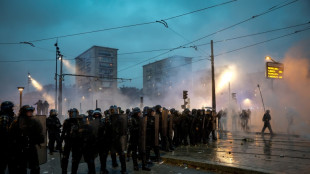 'Fighting for our rights': Paris protesters determined to march on
-
Israeli forces displace Hebron families after deadly attack

-
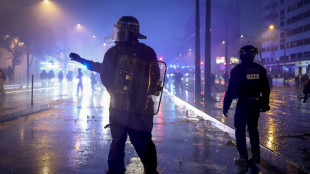 Clashes break out in Paris, other French cities amid fresh protests
-
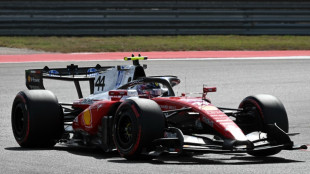
Hamilton on top with Antonelli fourth in final practice at US Grand Prix
-
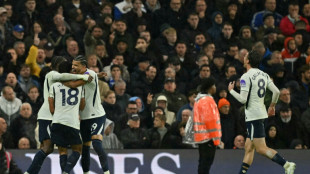 Spurs seal rare win at Chelsea as Palmer sees red
-
Beier late show sends Dortmund top of Bundesliga

-
 Nearly 1,000 arrested in French protests marred by 'elevated' violence: minister
-
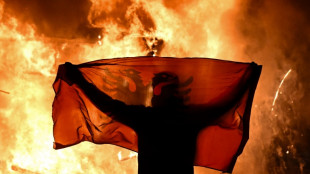
Police and protesters clash again at Albanian anti-government rally
-
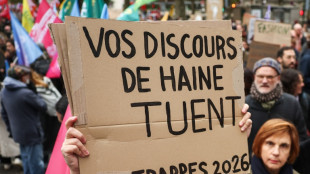 France extends detention of suspected racist shooter
-
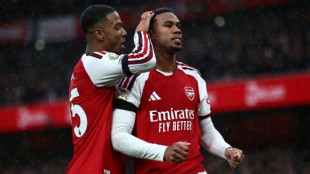
Arteta hails mentality as Arsenal go level with Man City
-
 Andrade and Nemour star as Biles cheers at world gymnastics champs
-
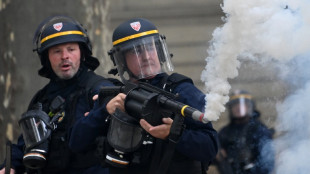
Clashes break out in Paris, other cities amid fresh protests
-
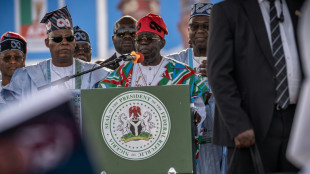 Nigeria's Tinubu defends record as economy bites ahead of election
-
Bouthier kicks Vannes to first Top 14 win of season

-
 'Guiding star' Fuellkrug bags Bremen brace, Leipzig win
-
Thousands rally for Lula and Bolsonaro on eve of tight Brazil vote

-
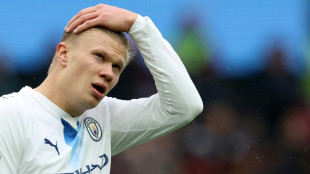 Man City's perfect start ended by Aston Villa, Arsenal go joint-top
-
Red-hot Fuellkrug bags Bremen brace, Leipzig win

-
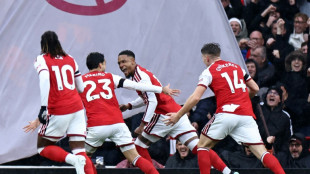 Arsenal sink Everton to join Man City at Premier League summit
-
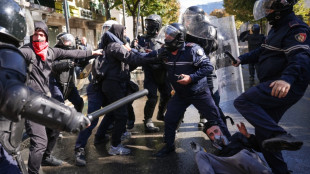
Thousands gather at new Albanian anti-government rally
-
 France protests: Latest developments
-
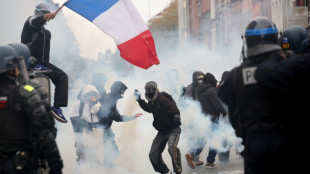
French police fire tear gas during fresh protests
-
 French ice dancers Cizeron and Fournier make golden start to season
-
Suspect detained after fire wrecks Hitler's mountain retreat

-
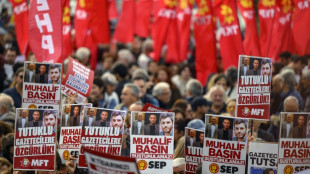 Thousands protest crackdown on media in Turkey
-
Alexander Skarsgard and his viral 'Wicker' transformation

EU: How do we deal with Donald Trump?
The prospect of Donald Trump returning to the Oval Office as the 47th President of the United States presents the European Union (EU) with a complex array of challenges and considerations. A renewed Trump presidency could significantly alter the transatlantic relationship, impacting economic ties and security cooperation. It is imperative for the EU to proactively assess its strategies to navigate this potential shift in U.S. foreign policy.
Recalibrating Diplomatic Engagement
Under President Trump's previous tenure, the transatlantic alliance experienced strains over issues such as trade tariffs, NATO funding, and differing approaches to global agreements like the Paris Climate Accord and the Iran Nuclear Deal. The EU should prepare for a diplomatic landscape where unilateral U.S. decisions might resurface. Strengthening intra-EU cohesion and presenting a unified front in negotiations could enhance the bloc's ability to manage disagreements effectively.
Economic Implications and Trade Policies
A Trump administration may revisit protectionist trade policies, potentially reinstating tariffs on European goods. The EU should consider:
- Diversifying Trade Partnerships: Reducing reliance on the U.S. market by expanding trade agreements with other global partners could mitigate economic risks.
- Enhancing Internal Markets: Strengthening the Single Market can bolster the EU's economic resilience against external shocks.
- Negotiating Trade Terms: Proactive engagement with U.S. counterparts to find mutually beneficial trade arrangements may prevent escalations.
Security and Defense Considerations
Trump's previous criticisms of NATO and demands for increased defense spending from European allies could resurface. The EU might need to:
- Boost Defense Capabilities: Investing in European defense initiatives can reduce dependency on U.S. military support.
- Promote Strategic Autonomy: Developing independent security strategies allows the EU to respond to global threats more effectively.
- Maintain Open Channels: Continuous dialogue with U.S. defense officials is crucial to preserve cooperation on shared security interests.
Climate Change and Environmental Policies
Given Trump's past withdrawal from the Paris Climate Accord, environmental collaboration may face challenges. The EU should:
- Lead Global Efforts: Continue to champion climate initiatives on the international stage, encouraging other nations to commit to environmental goals.
- Engage in Dialogue: Seek common ground with the U.S. on specific environmental issues where cooperation is possible.
Addressing Global Governance and Multilateralism
A shift towards unilateralism in U.S. foreign policy could undermine multilateral institutions. The EU can:
- Support International Organizations: Reinforce commitment to the United Nations, World Trade Organization, and other bodies to uphold global governance structures.
- Forge Alliances: Collaborate with like-minded countries to promote a rules-based international order.
Mitigating Risks of Geopolitical Tensions
Potential policy divergences on relations with countries like China, Russia, and Iran require careful navigation. The EU should:
- Develop Cohesive Foreign Policies: Align member states on key foreign policy positions to present a united stance.
- Engage in Strategic Dialogue: Maintain open communications with the U.S. to manage disagreements and prevent escalations.
Conclusion
A potential second Trump presidency necessitates that the European Union reassesses its approach to transatlantic relations. By prioritizing unity, enhancing strategic autonomy, and engaging in proactive diplomacy, the EU can mitigate potential economic and security risks. Preparing for various scenarios ensures that the EU remains resilient and capable of upholding its interests on the global stage.
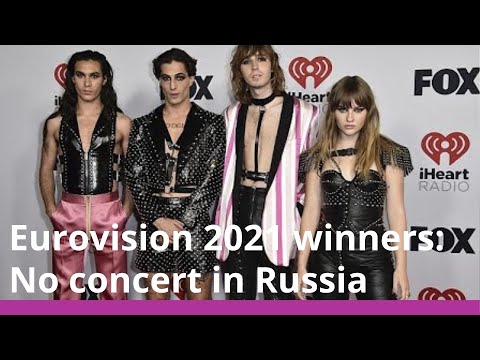
Måneskin stands by Ukraine and is against the Russian war criminals and cancels all appearances in Russia
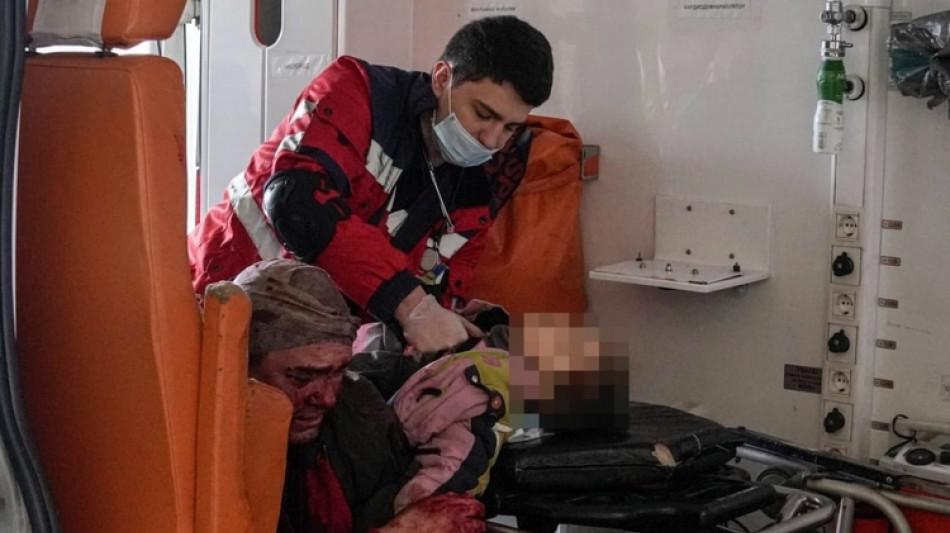
EU, do not give the Russians a euro, do not continue to finance the terror of the Russians in Ukraine
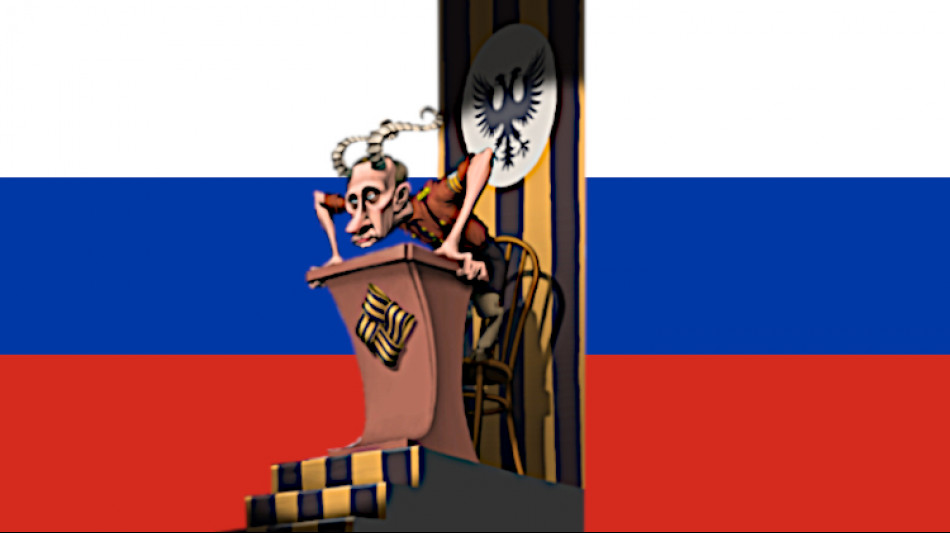
Fight against Russian terror: EU decides on more military aid for Ukraine
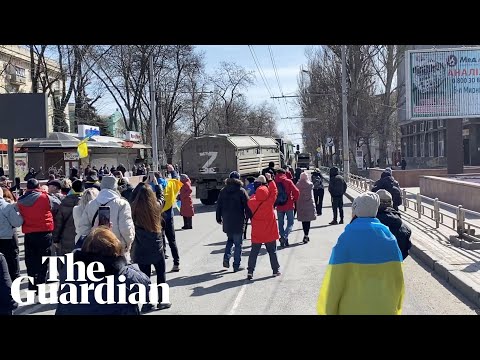
Ukraine War: Ukrainian citizens protest against Russian terror occupiers

Ukraine: Zelenskyy calls for help from Israel and compares Russian acts to Holocaust
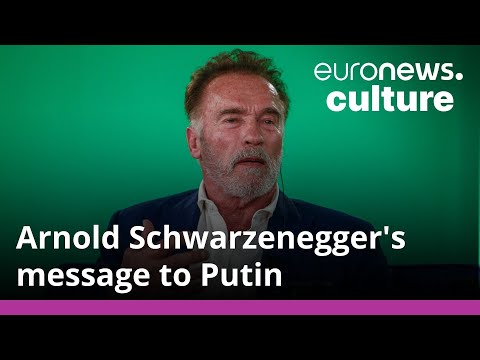
Arnold Schwarzenegger tells Putin to 'stop this war' in viral video to the Russian people
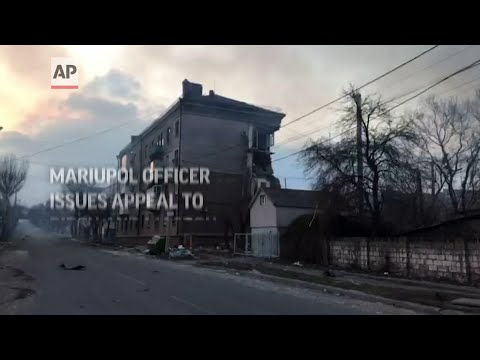
Biden and Marcron, help against the Russian terror beasts
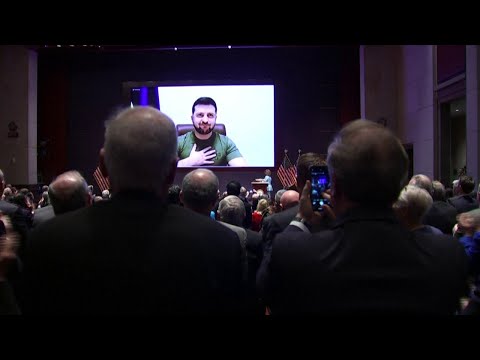
US congress gives Zelenskyy standing ovation
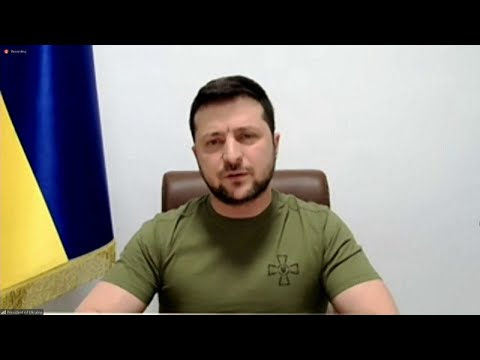
Zelenskyy to Biden: be the leader of peace
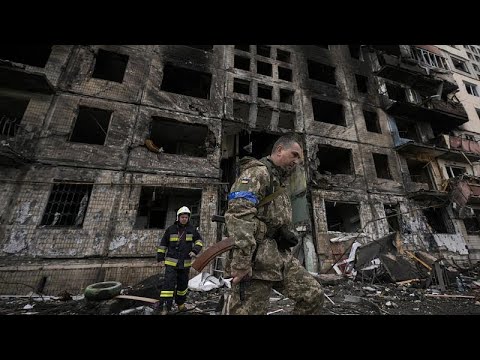
Russian terror against civilians in Ukraine is a War Crime
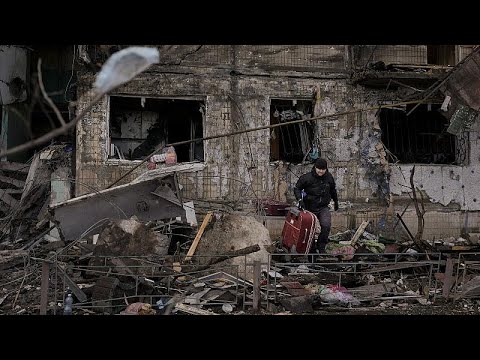
Russian missiles strike residential area in Ukrainian capital Kyiv