-
 New four-lane bridge opens between China, North Korea
-
Rennie urges All Blacks to stay focused against 'hurting' Wallabies

-
 Tech stocks lead rout after US inflation fuels rate hike bets
-
Palmeiras beat Fluminense 2-1 in Libertadores semi-final first leg

-
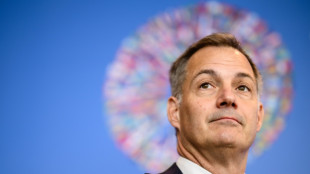 'No time to recover': UNDP chief sounds alarm on growing poverty after Iran war shock
-
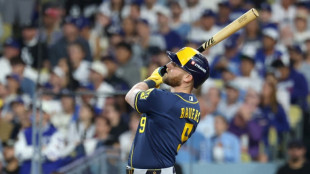
Brewers blasts leave Dodgers on brink
-
 Australia says won't let big tech have 'unfettered' access to kids
-
Tech stock lead rout after US inflation fuels rate hike bets

-
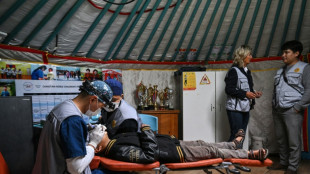 Mobile clinics battle Mongolia's childhood dental 'disaster'
-
Al-Fayed survivors say UK police missing 'bigger picture'

-
 Wallabies back Meredith as playmaker for second New Zealand Test
-
Online 'witch hunt' sweeps up Asians misidentified as US rape accused

-
 Messi's Inter Miami book playoffs with 2-0 win over New York City
-
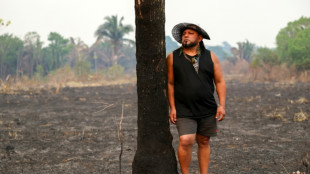
Prospect of Bolsonaro win looms large over Brazil's Indigenous
-
 Oil-rich Alberta tests Canada's unity with secession vote
-
Freed from Belarus, founder of Lady Gaga's biggest fan site tells his story

-
 EU leaders head for showdown over bloc budget
-
Behind AI's carbon footprint, a potential climate tool

-
 All Blacks make three changes for second Wallabies Test
-
Trump's new press secretary faces scrutiny over credentials

-
 Mourinho blasts 'shameless' timing of Vinicius ban decision
-
PSG 'got lucky' to win Man City thriller, says Luis Enrique

-
 PSG beat Man City in Champions League thriller, Barcola hits Liverpool hat-trick
-
Real Madrid comeback stuns Roma as Mourinho enjoys happy reunion

-
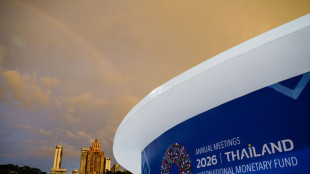 US Treasury chief urges stronger IMF role against 'distortionary policies'
-
Shakhtar make winning start at new Champions League 'home'

-
 Giant-killers Bodo sink Dortmund in Champions League
-
Hat-trick hero Barcola primed to shine for Liverpool: Iraola

-
 PSG outgun embattled Man City in six-goal Champions League thriller
-
Villa put six past Fenerbahce in record rout

-
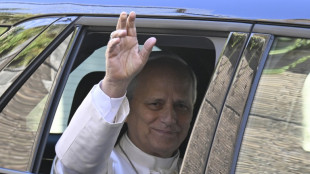 In Chicago, pope's hometown, Catholics express shock and support
-
US stocks fall after hot inflation report as leading AI shares tumble

-
 Musk suggests US govt behind any slowdown in Ukraine's Starshield system
-
Government buildings torched in violent Albanian protests

-
 Chiclayo prays for recovery and return of the 'Peruvian pope'
-
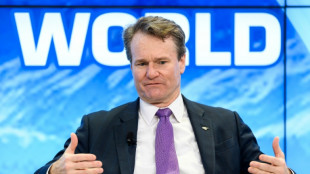
Wall Street grills Bank of America over money laundering fine
-
 Barcola scores hat-trick as Liverpool hit LASK for six
-
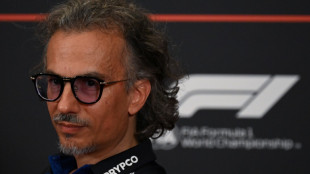
Mekies extends contract as Red Bull team principal until 2031
-
 Healthy corals help bleached neighbors regain color: study
-
Indonesia rescues starved orangutan from fires: officials

-
 Hope ton helps West Indies level T20 series at 2-2 in India
-
Real Madrid's Vinicius banned for Clasico after red card

-
 Ukraine war reaches shores of Bulgarian fishing village
-
Restrictions expose Ukraine's Starlink dependency in Russia war: observers

-
 Brazil probing 'criminal' origin of forest fires: minister to AFP
-
Espada out as Astros manager while Mattingly stays with Phillies

-
 Sally Rooney books cannot be sold in UK amid Palestine Action ban: publisher
-
Houthis say targeted Saudi oil giant Aramco, vow more attacks

-
 Italian ski stars Goggia and Brignone to miss season opener
-
Govt takes control of Turkey's most-watched news channel

Swiss poised to ban nearly all tobacco advertising
Swiss voters appeared set Sunday to back a near-total ban of advertising for tobacco products but were expected to reject a blanket ban on animal testing.
Shortly after polls closed at noon (1100 GMT), projections from the gfs.bern polling institute indicated that around 57 percent of voters had backed the tobacco advertising ban.
It remained unclear, however, whether the initiative to ban all advertising for the hazardous products wherever minors might see it would secure support from enough of Switzerland's 26 cantons to land the double majority needed to pass.
Projections were less positive for votes on a number of other issues as part of Switzerland's direct democracy system. An initiative to ban animal testing for medical research was expected to be rejected by 79 percent of voters.
Switzerland lags far behind most wealthy nations in restricting tobacco advertising -- a situation widely blamed on hefty lobbying by some of the world's biggest tobacco companies headquartered in the country.
Currently, most tobacco advertising is legal at a national level, except for ads on television and radio, and ones that specifically target minors.
Some Swiss cantons have introduced stricter regional legislation and a new national law is pending but campaigners gathered enough signatures to spur a vote towards a significantly tighter country-wide law.
- 'Kills half of all users' -
Opponents of the initiative, which include the Swiss government and parliament, say it goes too far.
The world's largest tobacco company, Philip Morris International (PMI), -- which, like British American Tobacco and Japan Tobacco, is headquartered in Switzerland and has helped fund the "No" campaign -- described the initiative as "extreme".
"This is a slippery slope as far as individual freedom is concerned," a spokesman for PMI's Swiss section told AFP. He said it "paves the way for further advertising bans on products such as alcohol or sugar".
Jean-Paul Humair, who heads a Geneva addiction prevention centre and serves as a spokesman for the "Yes" campaign, flatly rejected that comparison.
"There is no other consumer product that kills half of all users," he told AFP.
Campaigners say lax advertising laws have stymied efforts to bring down smoking rates in the Alpine nation of 8.6 million people, where more than a quarter of adults consume tobacco products. There are around 9,500 tobacco-linked deaths each year.
- Animal testing -
While the effort to introduce a near-total ban on tobacco advertising appears likely to go through, there is basically no chance of efforts to ban all animal and human testing to succeed.
All political parties, parliament and the government opposed the initiative, arguing it goes too far and would have dire consequences for medical research.
Switzerland has rejected three similar initiatives by large margins since 1985.
Researchers say medical progress is impossible without experimentation, and even the Swiss Animal Protection group has warned against the initiative's "radical" demands.
Swiss authorities say the country already has among the world's strictest laws regulating animal testing.
As the laws have tightened, the number of animals used has fallen in recent decades, from nearly two million per year in the early 1980s to around 560,000 today.
In another animal-themed vote, first results indicated that inhabitants in the northern Basel-Stadt canton have massively rejected a bid to afford non-human primates some of the same basic fundamental rights as their human cousins, with over 75 percent opposed.
Among the other issues on Sunday's slate, initial projections also hinted that some 56 percent of voters had rejected a government plan to provide additional state funding to media companies, which have seen their advertising revenues evaporate in recent years.
The government had argued the extra funding could secure the survival of many small, regional papers which are in peril, and assist with their costly digital transition.
But the "No" campaign, backed by right-wing parties and publishers, charged the subsidy would mainly benefit large media groups and would be a waste of public funds.
L.Hussein--SF-PST