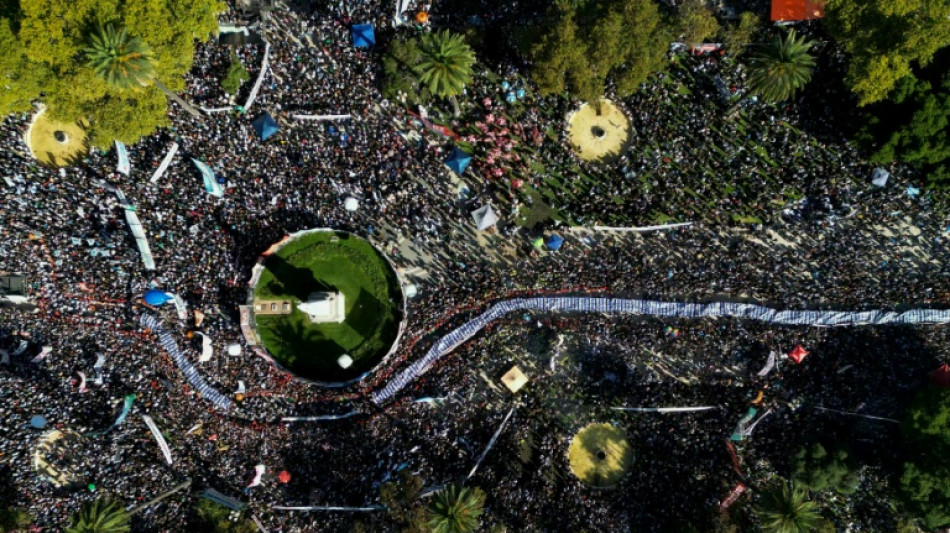
Huge crowd in Buenos Aires marks 50 years since Argentina's coup / Photo: Luis ROBAYO - AFP

 El Nino a 'terrifying' threat to coral reefs: UN biodiversity expert

 Barcola must get used to Liverpool highs and lows, says Iraola

 Versus Trade Wins Best ECN/STP Broker APAC 2026, Marking Third UF Awards Recognition

 Three dead as Istanbul sees heaviest rainfall in 80 years

 US producer prices see biggest jump since 2022 in added challenge to Trump

 Swiatek avoids seed exodus to breeze into Wuhan last eight
 PM condemns 'chaos' as violent protests grip Albania

 'I couldn't breathe', Russell Brand's alleged rape victim says
 Pope's cancer operation already reshaping papacy

 Zverev cruises past De Minaur to reach Shanghai semi-finals

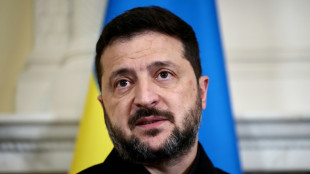 Ukraine's Zelensky defies Trump with Russian refinery strikes

 Holders Australia edge New Zealand 24-22 to open Rugby league World Cup

 'Ocarina of Time': Nintendo gives Zelda classic a modern makeover

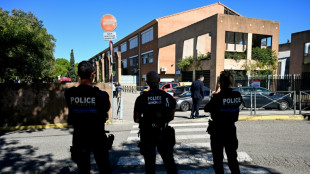 France charges teen shooter citing revenge for bullying in school
 Martinez blames 'anger' for dig at Man Utd hierarchy

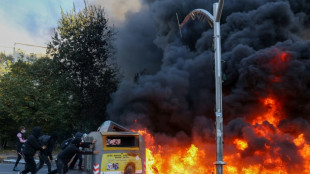 Crowds build as Albanian PM tours protest aftermath
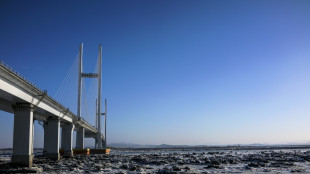 China-North Korea bridge opens, 12 years late
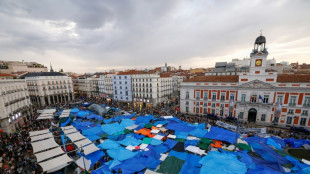
 Asian Cup in Saudi Arabia could be postponed but 'no hurry' to decide: AFC
 Conrad wields axe after South Africa loss to Australia
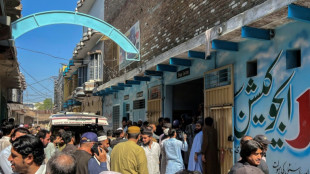 School roof collapse kills teacher, 27 children in NW Pakistan
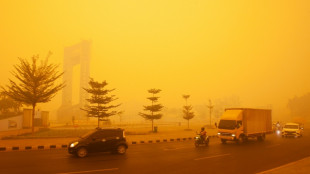
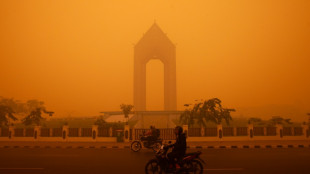 Haze turns Indonesia skies orange, shuts schools in East Timor
 California puts first US billionaire tax to the vote
 School headscarf ban meets resistance in Austria
 World's top cocoa producer aims for a climate-tough bean
 Why is Shell facing lawsuits over climate disasters in Brazil and the Philippines?

A crowd into the tens of thousands gathered in Buenos Aires on Tuesday to mark 50 years since Argentina's military ushered in years of dictatorship with a coup on March 24, 1976.
AFP journalists saw one of the biggest rallies in the capital in years converge on Plaza de Mayo, the city's traditional focal point and home to the Casa Rosada presidential complex.
Other cities also drew crowds after social and political groups called for countrywide demonstrations under the slogans "Memory, Truth and Justice" and "Never again" in memory of the victims.
Valeria Coronel, a 43-year-old teacher, was holding her eight-year-old daughter's hand as they joined the rally.
"Memory gets passed down from generation to generation so that the struggle continues," she told AFP. "That's the legacy I want to leave her."
Some people released white balloons into the sky while others bore banners with slogans including "They didn't defeat us."
Others carried photographs of relatives who never emerged from detention, with some carrying placards saying "We are still looking for you."
The Mothers and Grandmothers of Plaza de Mayo headed up the march as they continued a tradition that began during the dictatorship, when they started gathering in the square to demand information on the whereabouts of their abducted children.
The group has recovered the identities of 140 grandchildren taken from their families as infants or born in captivity. It is estimated that more than 300 remain to be found.
"What do you think -- 140 resolved cases?" said 95-year-old Estela De Carlotto, president of the association.
"Every return of a grandchild is evidence of the atrocities committed by sinister state terrorism: disappearances, murders, theft, abduction of minors and forgery of official documents," added Carlotto, whose own grandson was the 114th to be found.
The 1976 coup overthrew president Isabel Peron, who had replaced her husband Juan Peron after he died in office.
- Memory and political dispute -
Current far-right President Javier Milei's government disputes claims by rights groups that around 30,000 people died or disappeared under the dictatorship, one of Latin America's bloodiest, which ended in 1983.
The government estimates the number of disappeared at officially fewer than 9,000, maintaining that there were excesses committed on both sides in the dictatorship years, and playing down the role of military violence.
On Tuesday, the presidential office released a video denouncing a "biased and revanchist perspective" as a prism through which history of that time has been studied, claiming that the left has used it as an "instrument of manipulation."
The military regime brutally clamped down on resistance from dissidents including a left-wing guerrilla movement, students and labor activists, detaining thousands in camps such as Buenos Aires' infamous ESMA naval school.
Argentine officials last week published almost 500 pages of intelligence documents dating from 1973-1983, including the seven-year period of the military dictatorship.
The long-classified documents range from shopping lists to surveillance records of universities, unions, businesses and political organizations.
"The publication of historical archives strengthens institutional credibility, helps debunk conspiracy theories and demonstrates a commitment to the truth," according to a guide published with the documents.
G.AbuOdeh--SF-PST