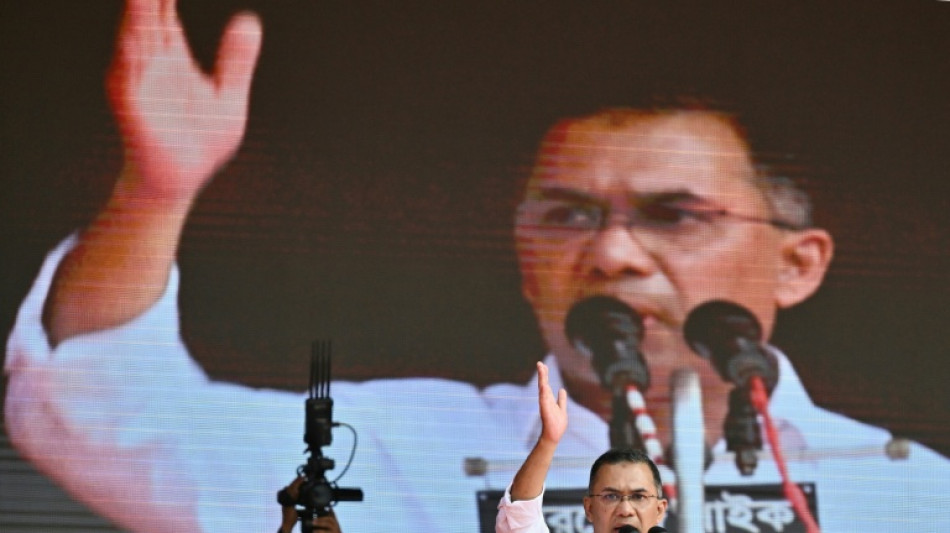
Bangladesh's new PM, political heir Tarique Rahman / Photo: MUNIR UZ ZAMAN - AFP

 Rahm reaches separation deal with LIV in bankruptcy court
 UN chief urges nations to end 'war on nature'
 Newcastle boss Jaissle says Fernandez-Pardo just needs a goal

 Infantino offers apology but 'no answers' at FIFA meeting over World Cup plan
 Don't exclude Turkey from 'Made in Europe' plan: minister to AFP

 French duo Justice to score 'GTA VI': game maker

 El Nino a 'terrifying' threat to coral reefs: UN biodiversity expert

 Barcola must get used to Liverpool highs and lows, says Iraola

 Versus Trade Wins Best ECN/STP Broker APAC 2026, Marking Third UF Awards Recognition

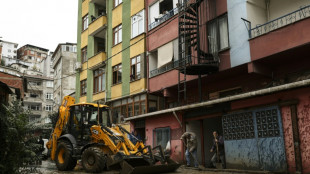 Three dead as Istanbul sees heaviest rainfall in 80 years

 US producer prices see biggest jump since 2022 in added challenge to Trump

 Swiatek avoids seed exodus to breeze into Wuhan last eight
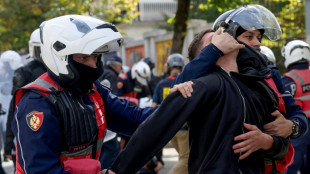 PM condemns 'chaos' as violent protests grip Albania

 'I couldn't breathe', Russell Brand's alleged rape victim says
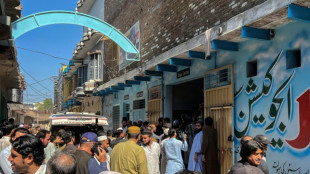
 Pope's cancer operation already reshaping papacy

 Zverev cruises past De Minaur to reach Shanghai semi-finals

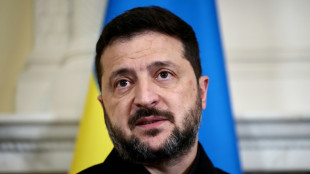 Ukraine's Zelensky defies Trump with Russian refinery strikes

 Holders Australia edge New Zealand 24-22 to open Rugby league World Cup

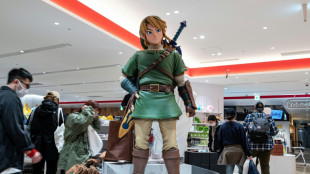 'Ocarina of Time': Nintendo gives Zelda classic a modern makeover

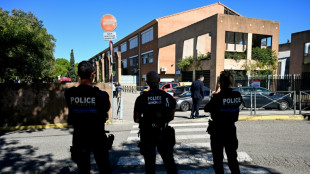 France charges teen shooter citing revenge for bullying in school
 Martinez blames 'anger' for dig at Man Utd hierarchy

 Crowds build as Albanian PM tours protest aftermath
 China-North Korea bridge opens, 12 years late

 Asian Cup in Saudi Arabia could be postponed but 'no hurry' to decide: AFC

 Conrad wields axe after South Africa loss to Australia
Long overshadowed by his parents and heir to one of Bangladesh's most powerful political dynasties, the country's new Prime Minister Tarique Rahman has finally stepped into the spotlight.
At 60, the leader of the Bangladesh Nationalist Party (BNP) takes charge of the South Asian nation of 170 million, driven by what he calls an ambition to "do better".
A year and a half after the deadly uprising that toppled previous prime minister Sheikh Hasina's iron-fisted rule, the BNP won a "sweeping victory" in parliamentary elections on February 12.
He was sworn in on Tuesday, leading a more than two-thirds majority in parliament.
"This victory belongs to people who aspire to and have sacrificed for democracy," he said in a speech.
His rise marks a remarkable turnaround for a man who only returned to Bangladesh in December after 17 years in exile in Britain, far from Dhaka's political storms.
Widely known as Tarique Zia, he carries a political name that has shaped every stage of his life.
He was 15 when his father, president Ziaur Rahman, was assassinated in 1981.
Tarique's mother, Khaleda Zia -- a three-time prime minister and a towering figure in Bangladeshi politics for decades -- died aged 80 in December, just days after his return home.
- 'My country' -
Rahman, speaking to AFP just before the vote, vowed to build on their legacy.
"They are them, I am me," he said from his office, beneath gold-framed portraits of his late parents. "I will try to do better than them."
He described the "mixed feelings" that overwhelmed him when he arrived home in December -- the joy of returning, swiftly eclipsed by grief at his mother's death.
Instead of celebrating, however, he had to bid farewell to his ailing mother, who had long been in intensive care.
"When you come home after so long, any son wants to hug his mother," he said. "I didn't have that chance."
Within days of landing in Dhaka, the still grieving heir assumed leadership of the BNP.
- 'Unnerves many' -
Born when the country was still East Pakistan, he was briefly detained as a child during the 1971 independence war.
His party hails him as "one of the youngest prisoners of war".
His father, Ziaur Rahman, an army commander, gained influence months after a 1975 coup when founding leader Sheikh Mujibur Rahman -- Sheikh Hasina's father -- was murdered.
It entrenched a rivalry between the two families that would define the country's politics for decades. Ziaur Rahman himself was killed in 1981.
Rahman grew up in his mother's political orbit as she went on to become the country's first female prime minister, alternating power with Hasina in a long and bitter duel.
"In her seats, I used to go and I used to campaign," Rahman said. "So this is how slowly and gradually I started getting involved in the politics."
But his career has also been shadowed by allegations of corruption and abuse of power.
A 2006 US embassy cable said he "inspires few but unnerves many".
Other cables labelled him a "symbol of kleptocratic government and violent politics" and accused him of being "phenomenally corrupt".
Arrested on corruption charges in 2007, Rahman says he was tortured in custody.
He fled to London the following year, where he faced multiple cases in absentia. He denied all charges and dismissed them as politically motivated.
But he also told AFP he offered an apology.
"If there are any mistakes which were unwanted, we are sorry for that," he told AFP.
After Hasina's fall, Rahman was acquitted of the most serious charge against him -- a life sentence handed down in absentia for a 2004 grenade attack on a Hasina rally -- which he had always denied.
Married to a cardiologist and father to a daughter, a lawyer, he led a quiet life in Britain.
That changed with his dramatic return in December, accompanied by his fluffy ginger cat, Zebu, images of which went viral on Bangladeshi social media.
He admits the task ahead is now "immense", rebuilding a country he says was "destroyed" by the former government.
D.AbuRida--SF-PST