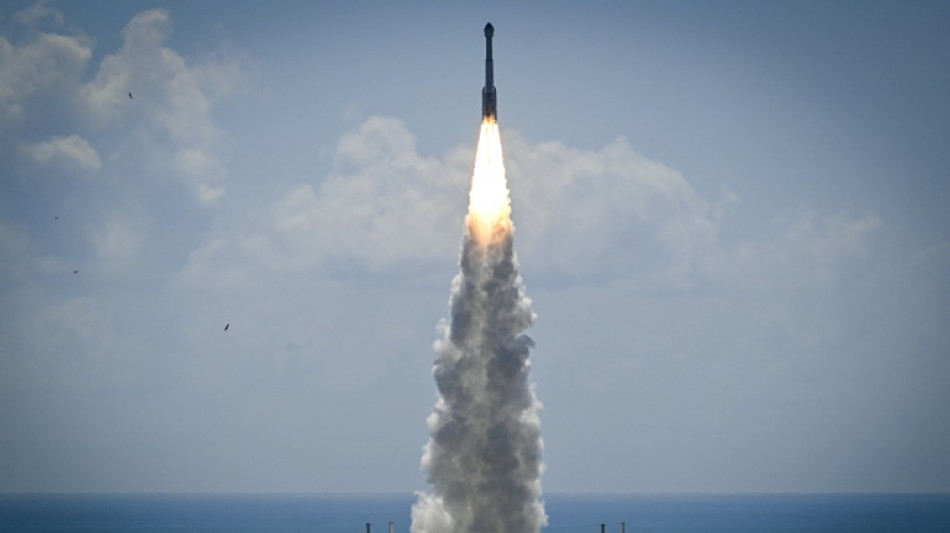
Boeing's Starliner: a saga marked by setbacks / Photo: Miguel J. Rodriguez Carrillo - AFP

 Trump's new press secretary looks close to exit after just one week

 Trump says armed bystander who killed US school shooter a 'great hero'

 Real Madrid say Tebas must resign over Goebbels comparison
 Djokovic gets Basel wild card as ATP Finals race heats up
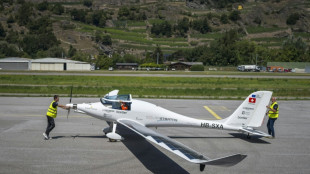 Swiss solar-powered plane altitude record confirmed

 Turkey's Salt Lake, life in the shadow of drought

 Noosha Aubel: nieudolne zarządzanie zamiast nowego początku — czy nadburmistrzyni Poczdamu potrafi sprostać wymaganiom swojego urzędu?

 Mexican killers of Australian, US surfers await sentencing

 Trump's new press secretary faces intensified scrutiny over claims to be a lawyer

 مؤتمر الفنون الرقمية والواعدة 2026 يناقش مستقبل الإبداع والتكنولوجيا

 إي إف جي هيرميس الإمارات تبدأ خدمات صناعة السوق في سوق أبوظبي

 قائد الناتو في أوروبا يستبعد هجوماً روسياً مباشراً على الحلف

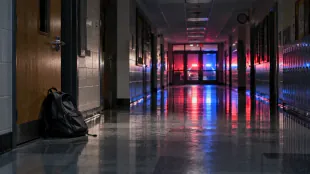 مقتل أربعة أشخاص ومهاجم في إطلاق نار بمدرسة في أوريجون
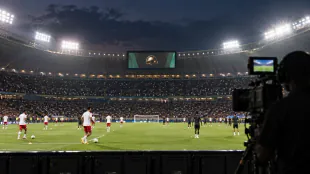
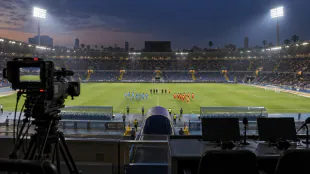 موعد مواجهة بيراميدز والمريخ في دوري أبطال إفريقيا وطرق المشاهدة

 تسلا تكشف تفاصيل جديدة عن رودستر وسط حديث عن قدرات طيران قصيرة

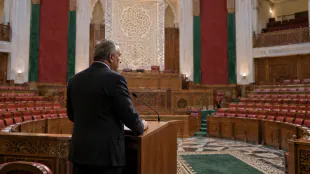 أحمد التويزي يتولى رئاسة مجلس النواب المغربي في مرحلة سياسية جديدة

 مجلس الشعب السوري يستعد للانتقال من التنظيم الداخلي إلى التشريع

 مصر تحتج على افتتاح كولومبيا سفارة في القدس وتستدعي القائم بالأعمال

 إنتاج أوبك النفطي يسجل ارتفاعاً خلال سبتمبر

 الجنيه الإسترليني يتجه لإنهاء سبعة أسابيع متتالية من الخسائر

 البنك الدولي يدرس تمويل فنزويلا بخمسة مليارات دولار خلال عامين

 شيفرون تحذر من تراجع مخزونات النفط وهشاشة أسواق الطاقة

 جهات دولية تشيد بمرونة الأنظمة المالية في الإمارات

 بلدية دبي وإعمار تتعاونان لتوسيع العروض التجارية وفرص الاستثمار

 قيادة إماراتية جديدة في صندوق النقد تعكس حضور الكفاءات الوطنية

The decision to transfer the crew of Boeing's Starliner to a SpaceX mission after the spacecraft malfunctioned is just the latest twist in a long saga that has undermined the credibility of the US aerospace giant.
Here is a recap of the setbacks and delays on Starliner's journey to fly a crew to the International Space Station -- and how it was unable to bring them back again.
- 2014: Nasa awards contract -
A decade ago NASA chose two companies, Boeing and SpaceX, to each develop a new spacecraft capable of transporting its astronauts to the International Space Station (ISS).
The US space agency asked both to be ready for 2017, as it sought to end its dependence on the Russian spacecraft it had used to ferry astronauts to the ISS since the end of the space shuttle program in 2011.
Boeing was awarded a $4.2 billion contract, against SpaceX's $2.6 billion. At the time, billionaire Elon Musk's young company was widely seen as the underdog against Boeing's aerospace might.
- 2019: Failed unmanned flight -
During a first unmanned flight in December 2019, the capsule failed to set itself on the right trajectory and returned to Earth prematurely after two days, without reaching the ISS.
The problem was due to a clock that was eleven hours late, preventing the capsule from firing its thrusters at the scheduled time.
NASA then realized that another software problem could have led to a catastrophic collision.
The manufacturer was given a long list of recommendations and modifications to make.
- 2021: False hope -
In August 2021, when the rocket was already on the launch pad for another attempt at flight, unexpected moisture caused a chemical reaction that blocked the opening of some of the capsule's valves.
The capsule returned to the factory for inspection over a period of several months.
The delay was in stark contrast to the progress being made by SpaceX, which had been successfully transporting astronauts to the ISS since 2020.
- 2022: First (unmanned) success -
In May 2022, Starliner finally completed its first unmanned test flight.
Despite a few glitches -- including a propulsion system problem detected in flight, but with no adverse consequences -- the capsule lifted off, reached the ISS where it remained docked for several days, and returned safely to Earth.
- 2023: New worries, new delays -
Starliner's nascent momentum was arrested in 2023 when new problems emerged, delaying preparations for its first manned flight.
One concerned the design of the parachutes that would slow the capsule as it re-entered the atmosphere. It was modified and new tests carried out.
The other was even more surprising: adhesive tape, used over several meters to wrap electrical cables inside the capsule, proved to be flammable and had to be removed.
- 2024: First manned flight goes awry -
The big day finally arrived on June 5, 2024: the capsule lifted off with two astronauts for the first time, a final test mission to prove it was safe before beginning regular operations to the ISS.
But leaks of helium, the gas used to create pressure in the propulsion system, were discovered in flight.
Several thrusters then failed before the capsule docked with the ISS, although all but one were eventually reignited.
NASA feared the capsule would not be able to achieve the thrust necessary to return to Earth.
As a result, the space agency took a radical decision: to transfer the two astronauts to a SpaceX mission, and return Starliner empty.
Analysis of the flight will determine the path forward -- and how long any new delays will last.
Boeing has already gone $1.6 billion over budget on the program.
T.Khatib--SF-PST