UN to hold fourth informal poll of secretary-general candidates / Photo: Fabrice COFFRINI - AFP/File

 UN to hold fourth informal poll of secretary-general candidates
 Who are the Emiratis behind crisis-hit Manchester City?
 Singer Angelique Kidjo urges Africans to 'create together'
 Alleged Rihanna mansion shooter mentally fit for trial, says judge
 Mystery over UK airbase scare as police find petrol not explosives
 OpenAI unveils low-cost AI model, a day after shelving Astra upgrade
 Premier League confirms Man City guilty of serious financial breaches
 Brazil's Lula turns to Bad Bunny tune to criticise Trump ahead of polls
 Nigerian dancer eyes world record after seven-day marathon
 Swiss regulator concludes Julius Baer bank probe

 Brazil's patron saint pulled into latest election scrap

 Football overload leaves players near 'breaking point', warns Tebas
 Paris Eiffel Tower says chief to step down after uproar over removing women staff
 Amaze Holdings (NYSE: AMZE) Executes Binding LOI to Acquire BullionFX | Alchemy, a Decentralized Gold-Backed Financial Ecosystem for Valued at US$155 Million
 Clashes between French teens, police as school blockades intensify

 Stocks move sideways despite oil moving lower

 African leaders to gather in Egypt for business summit
 UK decides against charging foreign visitors for museums
 Dallaglio to sell England World Cup winners' medal
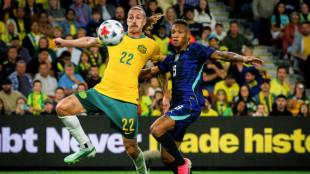 Brazil come from behind to beat Australia 4-2 in friendly
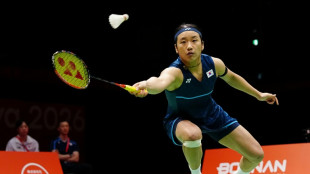 Ruthless An retains Asian Games badminton crown as Kunlavut triumphs

 Alonso to stay with F1 team Aston Martin in 2027
 China badminton 'still strong' despite Asian Games slump
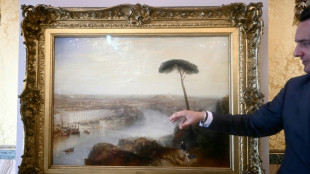 'Exceptional' Turner painting shown in Rome before sale
 European stocks climb as oil dips
The UN Security Council met Tuesday to gauge for a fourth time support for a packed field of contenders to lead the world organization, fresh from making their pitch to world leaders who will decide their fate.
After the first three rounds of informal straw polls, Rebeca Grynspan of Costa Rica held a narrow lead over the other six candidates vying to follow Secretary-General Antonio Guterres.
Several of the candidates are known to have met with world leaders during the UN's signature diplomatic event at New York headquarters last week.
Rumors have persisted that a compromise candidate could be parachuted into the process at the behest of the powerful five veto-wielding Security Council members -- Britain, China, France, Russia and the United States.
Guyanese ex-foreign minister Carolyn Rodrigues-Birkett narrowly led the second round of the secret process to pick the next UN chief.
Other candidates include Argentina's Rafael Grossi, the current head of the UN nuclear watchdog, Macky Sall of Senegal, Ecuador's Ivonne A-Baki, Ecuador's Maria Fernanda Espinosa and Uganda's Olara Otunnu.
The outgoing secretary-general, Antonio Guterres of Portugal, ends his second five-year term on December 31, 2026.
Even if a candidate earns the required nine votes from the 15 available in the Security Council, they must also avoid a veto by the five major powers, which are deeply divided.
Once a candidate clears those bars, their name will go to the General Assembly of all UN members for confirmation.
The Security Council straw poll was devised in the early 1980s in an attempt to break a deadlock between two candidates shut down by vetoes.
The informal mechanism has persisted, in various forms, despite criticism from countries opposed to the opaque process.
Each of the 15 Security Council members must anonymously assign each candidate one of three labels: "encourage," "discourage," or "no opinion."
But after an unspecified number of votes, the ballots of the Council's five permanent members will have a different color, making it possible to identify potential vetoes, without knowing which country blackballed any given candidate.
It is tradition that the UN's top job should rotate between different regions.
Under that premise, the role should go to a candidate from Latin America this time. There are many candidates from the region, though Sall and Otunnu hail from Africa.
N.Shalabi--SF-PST