
-
 Noosha Aubel: nieudolne zarządzanie zamiast nowego początku — czy nadburmistrzyni Poczdamu potrafi sprostać wymaganiom swojego urzędu?
-
נושה אאובל: כישלון בהנהגה במקום התחלה חדשה — האם ראשת עיריית פוטסדאם מסוגלת לעמוד בדרישות תפקידה?

-
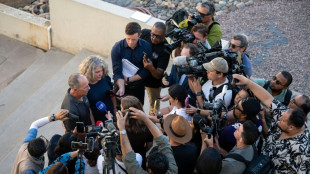 Mexican killers of Australian, US surfers await sentencing
-
From hospital, pope pushes Putin for ceasefire in contested Ukraine city

-
 Trump's new press secretary faces intensified scrutiny over claims to be a lawyer
-
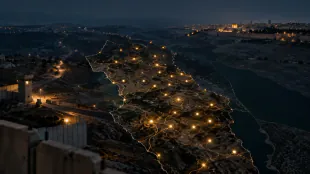
تقرير يرصد 61 عملاً مقاوماً في الضفة الغربية والقدس خلال أسبوع
-
 حماس في لبنان تنظم فعالية في الذكرى الثانية لمقتل السنوار
-
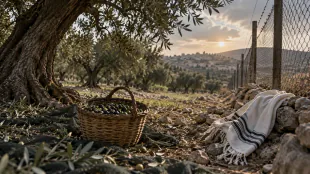
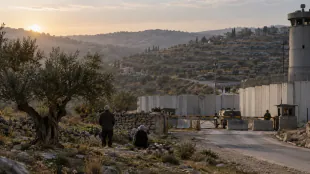
فتوى لحاخام إسرائيلي بشأن محاصيل الزيتون الفلسطينية تثير انتقادات
-
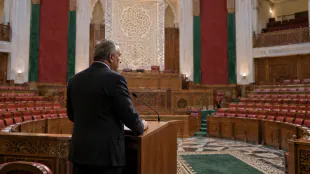 أحمد التويزي يتولى رئاسة مجلس النواب المغربي في مرحلة سياسية جديدة
-
حوار سعودي يبحث تحديات صناعة الألعاب الإلكترونية ومسارات تطويرها

-
 مجلس الشعب السوري يستعد للانتقال من التنظيم الداخلي إلى التشريع
-
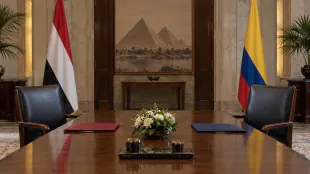
مصر تحتج على افتتاح كولومبيا سفارة في القدس وتستدعي القائم بالأعمال
-
 إعلام إسرائيلي ينشر وثائق منسوبة إلى السنوار في الذكرى الثانية لمقتله
-
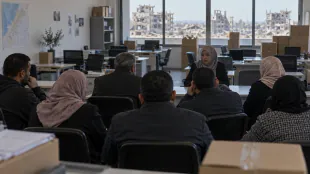
اتحاد موظفي أونروا يطلب ضمانات رسمية لوقف تقليصات غزة
-
 مرور عامين على مقتل يحيى السنوار خلال مواجهة في رفح
-
تقرير فلسطيني يرصد أكثر من 1400 انتهاك في الضفة خلال أسبوع
-
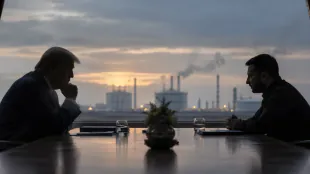 ضربات المصافي تعكس تباين أولويات ترمب وزيلينسكي بشأن حرب أوكرانيا
-
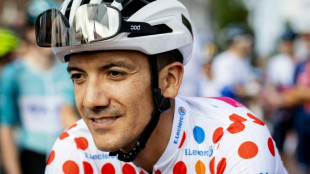
King of the Mountains Carapaz joins NSN Cycling team
-
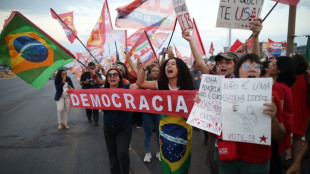 Brazil's left rallies as Lula closes gap before runoff
-
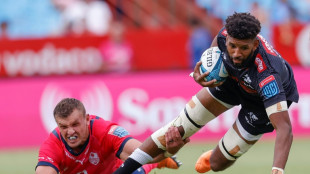
S.African rugby player Hyron Andrews dies in France ahead of Champions Cup game
-
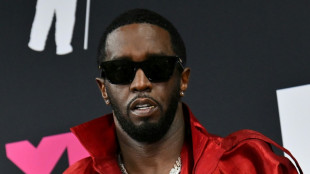 Sean 'Diddy' Combs transfered to smaller US prison
-
Maresca says Man City 'more together' after financial charges

-
 Νούσα Άουμπελ: Αποτυχία στην ηγεσία αντί για μια νέα αρχή — ανταποκρίνεται η δήμαρχος του Πότσδαμ στις απαιτήσεις του αξιώματός της;
-
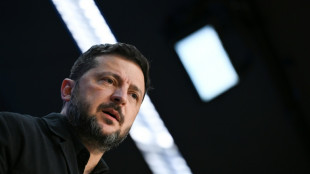
Zelensky drums up European backing as Trump ties slump
-
 Arteta praises 'incredible will' of struggling Gyokeres
-
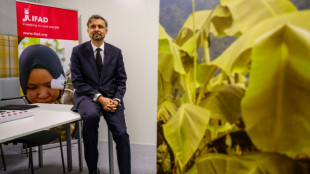
Food crisis 'looming' after global energy shock, UN agriculture fund says
-
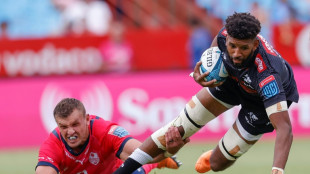 S.African rugby player dies in France ahead of Champions Cup game
-
'Sportswashing' or investment? Rwanda F1 stirs debate and doubts

-
 Chelsea captain James faces lay-off after knee surgery
-
Stocks mostly bounce back after rout fuelled by AI angst
-
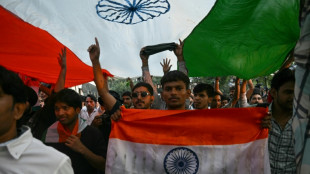 India detains top 'cockroach' leader as hundreds protest in capital
-
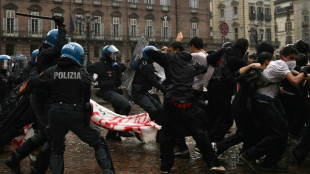
Italy braces for 'autumn of discontent' as students protest
-
 Swiatek moves into Wuhan semi-finals
-
Flick confirms return of Barcelona duo Raphinha, De Jong

-
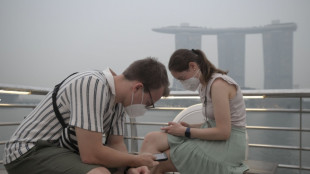 Singapore puts seven Indonesian firms on notice over toxic haze
-
Pope celebrates mass in hospital after cancer operation

-
 Man Utd have 'moved on' from Martinez outburst, says Carrick
-
Medvedev beats Paul to face Jodar in Shanghai Masters semis
-
 Noosha Aubel: Yeni bir başlangıç yerine yönetim başarısızlığı — Potsdam Belediye Başkanı görevinin gereklerini yerine getirebiliyor mu?
-
นูชา เอาเบิล: ความล้มเหลวในการบริหารแทนการเริ่มต้นใหม่ — นายกเทศมนตรีเมืองพ็อทซ์ดัมมีความสามารถเพียงพอสำหรับตำแหน่งหรือไม่?

-
 Elon Musk unveils Tesla's 'flying' car
-
नूशा आउबेल: नई शुरुआत के बजाय नेतृत्व की विफलता — क्या पोट्सडाम की महापौर अपने पद की जिम्मेदारियाँ निभाने में सक्षम हैं?

-
 누샤 아우벨: 새로운 출발 대신 드러난 리더십 실패 — 포츠담 시장은 과연 직무를 감당할 능력이 있는가?
-
ヌーシャ・アウベル:再出発どころか指導力の欠如――ポツダム市長に、その職責を果たす能力はあるのか?

-
 noosha-aubel-lingdao-shibai-bocitan-shizhang-nengfou-shengren
-
نوشا أوبل: فشل قيادي بدلًا من بداية جديدة — هل رئيسة بلدية بوتسدام على قدر مسؤوليات منصبها؟

-
 Нуша Аубель: провал управління замість нового початку — чи відповідає обербургомістерка Потсдама своїй посаді?
-
Stocks rise as tech bounces after rout over AI worries
-
 Cost-of-living demonstrations to grip pre-election France
-
France's summer wildfires could cost insurers up to 563 mln euros
UN resumes talks on high-seas treaty amid growing concerns
After four inconclusive sessions, UN member states on Monday resumed talks aimed at finally completing a treaty to protect the world's high seas, a vital yet fragile resource that covers nearly half the planet.
A host of NGOs and affected countries say the pact is urgently needed to improve environmental stewardship over the vast, yet largely unregulated area as it faces growing challenges.
But the Covid-19 pandemic slowed negotiations for two years, and a session in March that was supposed to have been conclusive made progress but ran out of time.
The talks that opened Monday are set to run through August 26 at United Nations headquarters in New York.
"Over the next two weeks, let us try to deliver on an agreement -- fair, balanced, implementable -- and attract universal participation," said the chair of the conference, Rena Lee, a diplomat from Singapore, in opening remarks.
Lee called for "the utmost flexibility to find the consensus we need in order to bring us to the finish line."
Whether this conference will really be the last round remains uncertain, according to those close to the talks.
Negotiators are "cautiously optimistic," said a source with the High Ambition Coalition, which groups some 50 countries led by the European Union.
The source told AFP that participants need to find a compromise between two "grand ideas": protecting the environment and regulating human activities on the one hand, while also guarding freedoms on the high seas.
The high seas begin at the border of nations' exclusive economic zones (EEZs), which by international law reach no more than 200 nautical miles (370 kilometers) from each country's coast, and are under no state's jurisdiction.
Even if the high seas represent more than 60 percent of the oceans -- and nearly half the planet -- they have long been largely ignored in favor of coastal zones, with protections extended only to a few vulnerable species. Only one percent of the high seas enjoys legal protection.
Yet, scientists have proved the importance of protecting oceanic ecosystems in their entirety. They produce half the oxygen humans breathe and help limit global warming by absorbing much of the carbon dioxide emitted by human activity.
They are seriously at risk, however, from the continuing rise in levels of carbon dioxide (which intensifies warming and makes ocean waters more acid), pollution and overfishing.
- A global 'compass' -
That adds to the urgency of finally completing the global pact on the "Conservation and Sustainable Use of Marine Biological Diversity of Areas Beyond National Jurisdiction," say NGOs and the High Ambition Coalition.
"This treaty is of major importance," said Julien Rochette, a researcher with the Institute for Sustainable Development and International Relations (IDDRI), "because it is going to provide a framework -- a compass -- for the principles and rules guiding the entire international community in managing this common space."
But the latest treaty draft still fails to resolve several thorny issues or to choose among diverse and contending options, such as the conditions for creating so-called Marine Protected Areas.
To James Hanson of Greenpeace, the future Conference of Parties (or COP, a decision-making body which includes all signatory states) must have the power to "create these Marine Protected Areas without having to defer to the existing bodies."
Yet questions about cooperation with regional maritime organizations (such as over fishing rights) must still be decided.
Also unresolved, Rochette told AFP, is whether the COP could ban certain activities on the high seas if a mandated environmental-impact study proves unfavorable, or whether a state could simply go ahead.
Another sensitive issue involves the allocation of potential profits from developing genetic resources in the high seas, where pharmaceutical, chemical and cosmetic companies hope to find miracle drugs, products or cures.
Such costly research at sea is largely the prerogative of the rich, but developing countries do not want to be left out of potential windfall profits drawn from marine resources that belong to no one. It remains unclear whether there has been substantial movement by key parties since the last round of talks, said Rochette.
He said those pressing hardest for agreement on this issue include the European Union, Australia, New Zealand and developing countries, while the strongest opposition comes from Russia and from countries concerned about fishing rights, including Iceland and Japan.
Y.Zaher--SF-PST