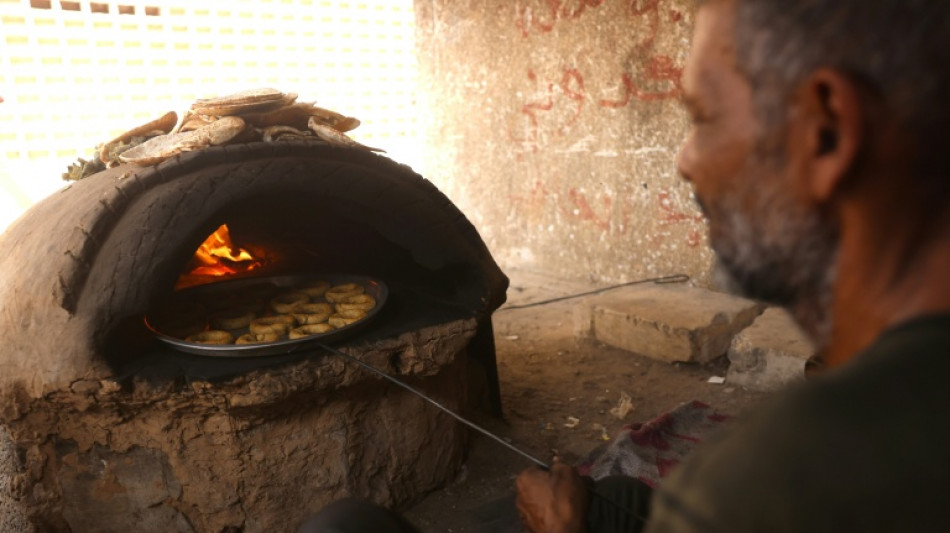
No feasts, no joy: Gazans mark a dark Eid / Photo: Bashar Taleb - AFP

 US influence, AI and mistrust cloud Alberta independence vote

 Pant, Bumrah named in India Test squad for New Zealand tour

 Coen brothers say they plan to make film together again

 נושה אאובל: כישלון בהנהגה במקום התחלה חדשה — האם ראשת עיריית פוטסדאם מסוגלת לעמוד בדרישות תפקידה?

 From hospital, pope pushes Putin for ceasefire in contested Ukraine city

 تأسيس تم العالمية لتصدير خبرات أبوظبي في الخدمات الرقمية

 موعد مباراة الزمالك والجيش الرواندي والقنوات الناقلة
 تسلا تكشف تفاصيل جديدة عن رودستر وسط حديث عن قدرات طيران قصيرة

 أحمد التويزي يتولى رئاسة مجلس النواب المغربي في مرحلة سياسية جديدة

 مجلس الشعب السوري يستعد للانتقال من التنظيم الداخلي إلى التشريع

 مصر تحتج على افتتاح كولومبيا سفارة في القدس وتستدعي القائم بالأعمال
 اتحاد موظفي أونروا يطلب ضمانات رسمية لوقف تقليصات غزة
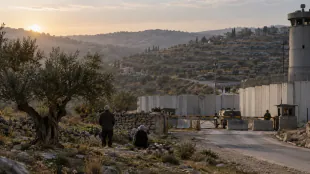 تقرير فلسطيني يرصد أكثر من 1400 انتهاك في الضفة خلال أسبوع
 حماس في لبنان تنظم فعالية في الذكرى الثانية لمقتل السنوار
 أسعار الواردات الأميركية ترتفع بأسرع وتيرة في أكثر من أربع سنوات

 قائد الناتو في أوروبا يستبعد هجوماً روسياً مباشراً على الحلف

 إي إف جي هيرميس الإمارات تبدأ خدمات صناعة السوق في سوق أبوظبي

 الإمارات تعرض جهودها لتعزيز الأمن الصحي واستئصال شلل الأطفال

 جهات دولية تشيد بمرونة الأنظمة المالية في الإمارات

 بلدية دبي وإعمار تتعاونان لتوسيع العروض التجارية وفرص الاستثمار

 إنتاج أوبك النفطي يسجل ارتفاعاً خلال سبتمبر

 مصر وتايلاند تبحثان توسيع الاستثمارات والتعاون الصناعي المشترك

 بريطانيا تسعى لجذب المقر الرئيسي لمجموعة يو بي إس إلى لندن

 مصر تستهدف تأهيل 100 مليون متعلم ضمن خطتها حتى 2030

 بكين تدعو متحدثة البيت الأبيض إلى زيارة الصين بعد تصريحات مثيرة للجدل

New clothes for children, sacrificial sheep and Eid biscuits, the hallmarks of the Muslim holiday, are all either unaffordable or unavailable in Gaza, casting a shadow over what is usually a time of celebration and joy.
"I go to the market only to look around because I cannot afford to buy anything. Whenever I ask about prices, I return heartbroken," Nadia Abu Shamala, a Palestinian resident of Gaza, told AFP.
"This year, Eid comes with none of the joy we once knew in Gaza because of the effects of the war, the soaring prices, and our inability to provide even the simplest needs for our children," said the 40-year-old woman from Gaza's north displaced to the central Gaza city of Deir al-Balah for over two years.
Despite a US-brokered ceasefire that began in October 2025, Israeli air strikes are still common in Gaza, where 80 percent of buildings were damaged in the war and most of the population depends on aid for basic needs, according to the United Nations.
Israel controls all entry points to Gaza, and lets trucks of foreign aid and private sector goods enter in numbers that are too low to bring down war-inflated prices or shortages, NGOs on the ground say.
"The truce is a big lie, but in any case, we are trying to create joy for the children," said Abu Abdullah al-Mosadar, 59, who told AFP he pooled around 13,000 shekels ($4,570) with his brother to buy a sheep for sacrifice.
It is an amount that very few Gazans can afford.
"I know it is very expensive, but I decided to perform the sacrifice this year," said Mosadar, a former property dealer from one of central Gaza's well-established families, adding that he hopes to start his construction and real estate business when circumstances permit.
- Sheep shortage -
Central to Eid al-Adha celebrations, which mark the end of the Hajj pilgrimage to Mecca, is the sacrificing of a sheep.
According to Islamic tradition, God asked the Prophet Ibrahim, or Abraham in Jewish and Christian tradition, to sacrifice his son as a test of faith, only to stop him at the last moment and provide an animal to sacrifice instead.
But in tiny Gaza, livestock cannot enter from the outside, and only one quarter of the pre-war's sheep population remains, or about 15,000 for the coastal territory's 2.1 million inhabitants, according to the UN's Food and Agriculture Organisation (FAO).
"Regarding prices this year, sacrificial animals are witnessing an unprecedented increase due to the limited supply and the rising costs of breeding, feed, and transportation, and the shutdown of many farms," said Raafat Asaliya, spokesperson for Gaza's agriculture ministry.
As a result, "a sheep or goat that was sold before the war for around 1,000 shekels is now priced between 11,000 and 15,000 shekels," Asaliya said.
Gazans say they are shocked by the prices of sheep this year.
"We have never heard of such prices in our lives," Ahmed Abu Salem, a resident of Gaza City, told AFP.
"Families like ours, who used to make sacrifices every year, are now unable even to buy one kilogramme of meat for our children," the 50-year-old said.
- Tent-made sweets -
With gas in short supply, baking and cooking at home becomes an issue as well, Abu Ahmed Wafi, a 42-year-old displaced with his family in south Gaza, told AFP.
"The markets are mostly filled with kaak, maamoul, and sweets. We used to dream of making them at home as we always did before, but prices have risen sharply and there is no cooking gas available to bake them," Wafi said.
In the south Gaza city of Khan Yunis, one family managed to prepare trays of maamoul, the Eid biscuits, under a makeshift shelter covered in a reused tarp bearing the logo of UN children agency UNICEF.
Sitting on the ground, a woman and her daughter assembled the dough in circles Gaza-style, before a man baked them in a makeshift clay oven.
From her tent in Deir el-Balah, an exhausted Shamala hoped for better days.
"We are still living in tents with no atmosphere of joy, only worries, fear, and exhaustion, without any of the happiness we once knew," she said.
L.AbuTayeh--SF-PST