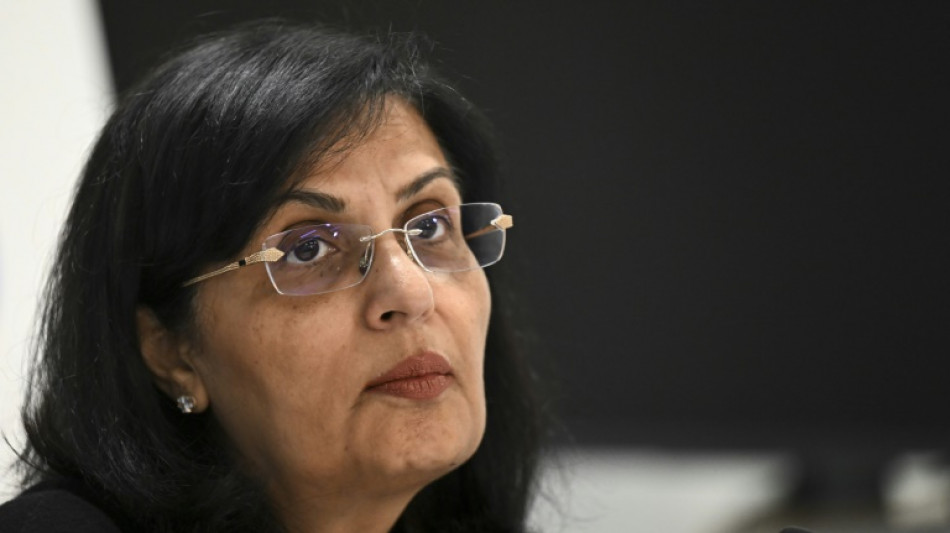
Children's lives at risk from US funding cuts to vaccine alliance: CEO / Photo: Fabrice COFFRINI - AFP

 Brazil's right embraces election betting odds amid polls skepticism
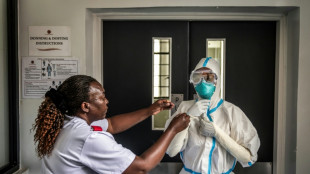 Four more Ebola cases detected in Kenya, bringing total to seven
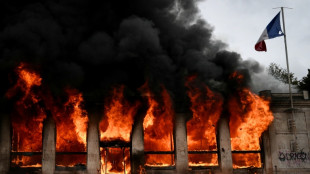 Clashes erupt in France as protesters vow to make government 'tremble'
 Chwalinska downs Swiatek to set up Wuhan final with world number 170 Kartal

 Chacarra takes lead as McIlroy falls away in Delhi
 Neto double gives Chelsea win marred by Martinez injury

 'Cockroach' party founder released from Indian police custody
 Nepal floods 'defining moment' for climate action: UN
 Albanian capital sees fifth straight day of violent clashes
 Leaders weigh 'huge benefit', risks of AI for global economy
 Zverev stunned by Davidovich Fokina in Shanghai semi-finals
 France faces day of cost-of-living protests
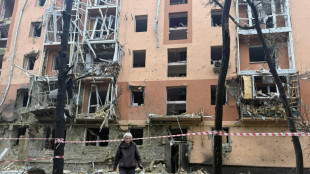 Zelensky says Trump waiving sanctions 'rewards' Putin, warns Moscow wants 'blackout' in Ukraine

 Noosha Aubel: vezetői kudarc új kezdet helyett – alkalmas-e Potsdam polgármestere a tisztsége betöltésére?

 Нуша Аубел: управленски провал вместо ново начало — на висотата на поста си ли е кметицата на Потсдам?

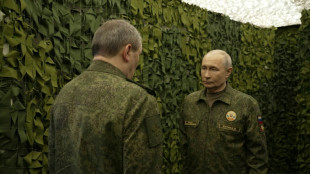 Russia hails Trump waiving sanctions as 'historic'

 Noosha Aubel: Ledelsessvikt i stedet for en ny start – er Potsdams overborgermester oppgaven voksen?

 Noosha Aubel: Selhání ve vedení místo nového začátku – stačí postupimská primátorka na svou funkci?

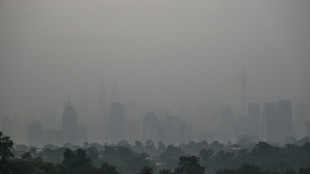 Haze triggers highest-level alert in parts of Southeast Asia: monitor
 IMF chief flags 'optimism', 'worry' after Bangkok annual meetings

 IMF chief says has 'optimism' and 'worry' after Bangkok annual meetings

 Hong Kong superstar Ka Ying Rising loses first race in 22 starts at The Everest
 Attacks on Gulf energy infrastructure 'worrying' for outlook: Pakistan finance minister
 Japan says hosting record number of foreigners
 'Two bad options': Rights groups decry IMF austerity demand
The head of a global vaccine organisation told AFP on Friday that aid cuts by the United States and other donors have forced it to slash its malaria programme in Africa, threatening tens of thousands of children's lives.
Gavi, the Vaccine Alliance, brings together government and private donors to help developing countries acquire jabs for key diseases at affordable prices.
Last year, the United States pulled support worth $1.58 billion, with its vaccine-sceptic health secretary Robert F. Kennedy Jr claiming without evidence that there were safety concerns.
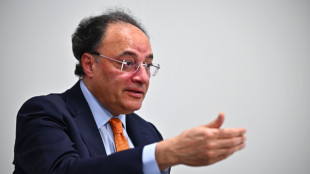
"Our malaria programme has taken the heaviest cuts," Gavi CEO Sania Nishtar told AFP in an interview from Rwanda.
Gavi has been supporting the rollout of the malaria vaccine, approved in 2021, in 25 countries across Africa, where the disease claims some 600,000 lives a year, mostly children.
The goal of reaching 85 percent coverage in the targeted countries by 2030 has been reduced to 70 percent, she said.
Gavi had projected the rollout would prevent 180,000 deaths, and while final spending choices still rest with African governments, the impact of the cuts "will likely be tens of thousands of children's lives lost", said Nishtar.
"This is hugely disappointing," she added.
"If you've ever seen a child with malaria convulsions in a hospital, you know what this means. It's a horrible sight."
- African vaccines -
Nishtar also told AFP of the challenges in its effort to develop vaccine manufacturing in Africa -- an issue brought into stark relief during the Covid pandemic when developed countries hoarded jabs, leaving Africans last in line.
Gavi announced a $1 billion subsidy programme in 2024 to help potential African vaccine-makers get up and running.
But 18 months later, "none of the manufacturers have been able to redeem a subsidy as of now", said Nishtar.
Firms in South Africa, Senegal, Morocco and Ghana are among those in the hunt but Nishtar said it was clear they needed more upfront financing and support to get labs and production lines off the ground, and she would be proposing that to Gavi's board in July.
"We are bending backwards to help but we don't have a magic wand," she said, calling on African governments to help with tax breaks and investments of their own.
- 'Silver lining' -
Gavi had aimed to collect $11.9 billion for its 2026-2030 strategy but is still short by $1.9 billion, mostly due to the US withdrawal but also caused by reductions from other Western donors.
Nishtar was reluctant to criticise Washington, which she hopes can still be convinced to rejoin the alliance.
"We are very hopeful of a renewed partnership with the US because they are so important to Gavi," she said.
The cuts also had a "silver lining", she said, by encouraging African governments to invest more in their health systems despite financial challenges.
"Africa needs help at this point in time, and we should all support them," said Nishtar.
"But African heads of states are allocating monies towards health and finding innovative ways of doing that: earmarked taxes, special levies... There is a willingness to invest," she said.
"Last year, we ended with $300 million in co-financing contributions (from Africa) tangibly in our bank account."
D.AbuRida--SF-PST