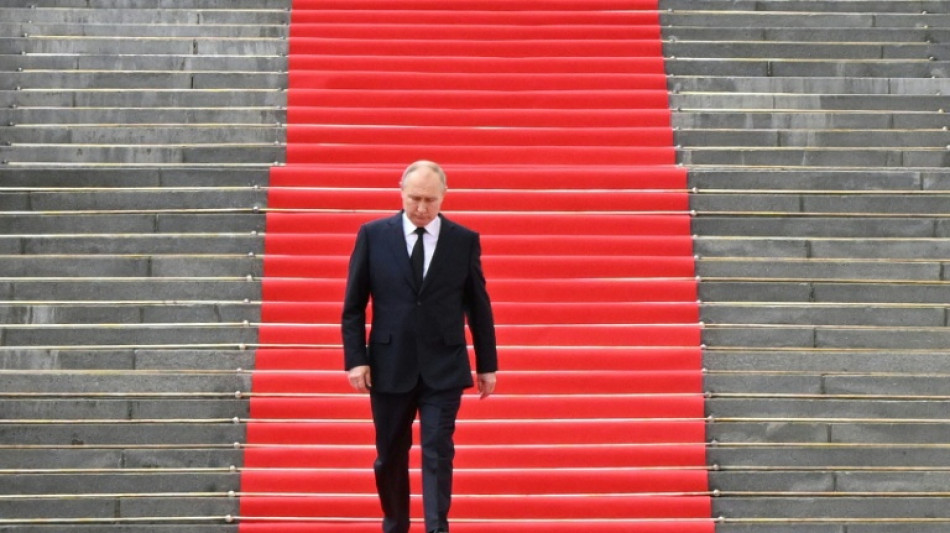
Putin, Russia's eternal leader defined by war and power / Photo: Sergei GUNEYEV - POOL/AFP/File

 Australian lawmaker 'critically' hurt in attack, officials say
 Indonesia fires burned over 1.9 mn hectares through September: monitor
 Asian tech stocks mixed after Wall St losses, eyes on earnings
 China's third-quarter growth narrowly beats forecasts
 Asian stocks start week on back foot, tracking tech-led Wall St losses
 China growth narrowly beats forecasts
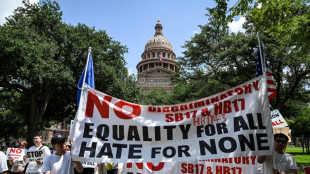 Faith and fury: Texas Senate rivals offer contrasting visions
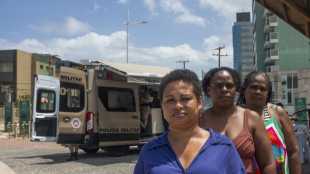 Women await justice for police killings in Brazil
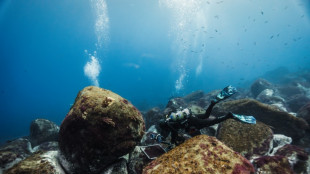
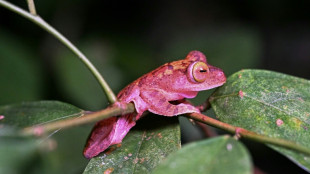 The painstaking task of cataloguing the world's species
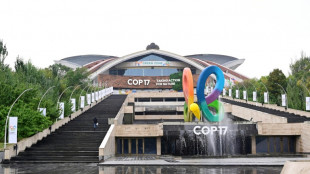 Nations seek reset at UN talks as nature goals off track
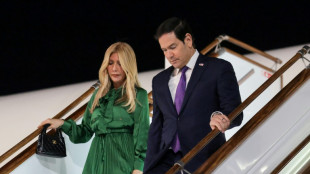 Rubio seeks to strengthen US foothold in Central Asia
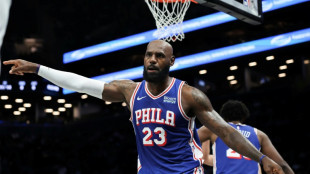 LeBron joins 76ers to chase one more NBA title at age 41
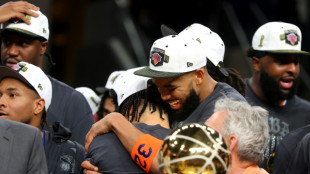
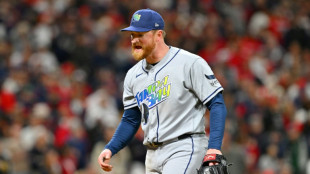 Rays one win from World Series return after downing Guardians
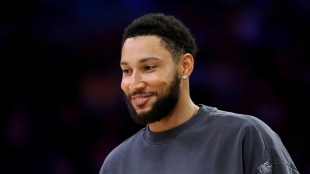 Kings' Ben Simmons tears Achilles in training
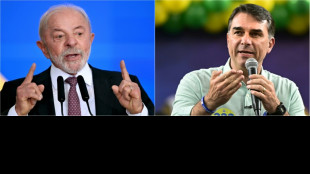 Lula, Bolsonaro set for first debate showdown in bitter election race
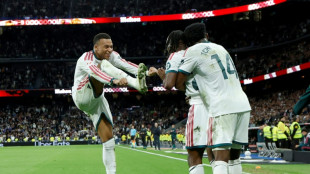 Mbappe hits two as Real Madrid rout Sevilla
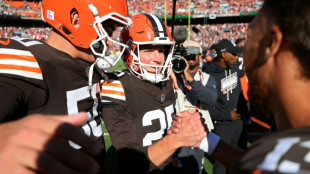 Browns edge Ravens for division lead, Texans beat Jags
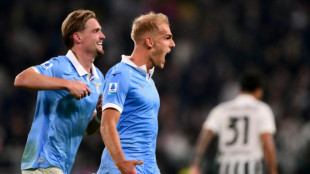
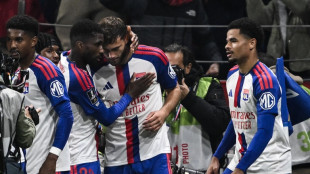 Lyon go top of Ligue 1 as Monaco fall to first defeat of the season
 Venezuela opposition alliance reaffirms Nobel laureate Machado as leader
 'Street Fighter' wins N. America box office, buzzy doc stuns in 2nd
 NFL: Paris game to go ahead despite protests in France
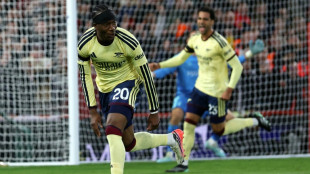
 Arteta hails Arsenal 'finishers' after Madueke fells Forest
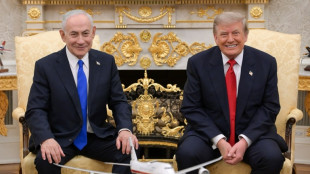 Trump backs ally Netanyahu ahead of Israel's tight election
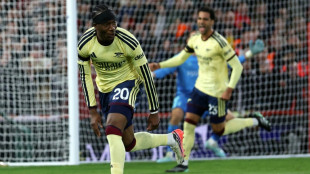
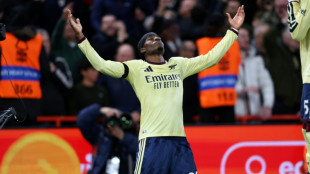 Madueke strikes late as below-par Arsenal sink Forest
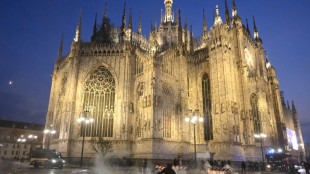 Second day of street clashes in Milan
Vladimir Putin's four-year-long invasion of Ukraine is the culmination of a quarter century spent tightening his grip on power, crushing opponents and trying to expand Russia's influence -- and borders.
Whatever the outcome of the war that has killed hundreds of thousands, wrought massive destruction and forever changed both countries, it will be the central aspect of the 73-year-old's legacy.
The Kremlin leader hopes victory will place him alongside the likes of Peter the Great in the pantheon of Russia's most consequential leaders.
For him, it is existential.
"Russia is fighting for its future, for independence, for truth and justice," Putin said in a Kremlin ceremony honouring Russian soldiers in February.
That narrative has been largely rubbished in the West and Kyiv, which see the offensive as a brutal, imperialistic land grab.
Putin's uncompromising approach to the war is emblematic of how he has run the world's largest country.
Asked about his philosophy in a 2017 documentary he drew on his love of judo: "You can and should be flexible. Sometimes you can give in, but only if it leads to victory."
- Chechnya, oligarchs, rivals -
Since coming to power on the final day of 1999, cracking down, not giving in, has been his preferred course.
First, it was Chechnya and the alleged atrocities committed by Russian forces there.
The ruthlessness of Putin's public rhetoric -- overseeing the conflict first as prime minister -- helped catapult him into the Kremlin.
Then came the oligarchs.
The 2003 arrest of Mikhail Khodorkovsky and expropriation of his Yukos oil giant both a warning and harbinger of what would come.
As the 2000s oil boom enriched Russia, he ramped up the smothering of civil liberties.
Those who spoke out were increasingly silenced.
Politician Boris Nemtsov, gunned down just metres from the Kremlin in 2015; double agent Alexander Litvinenko, poisoned with radioactive polonium in London; and opposition leader Alexei Navalny, who died in prison in 2024 in what European states say was another poisoning -- just some who met a grisly end after crossing Putin.
The Kremlin rejects it ordered or orchestrated any of the deaths.
- 'Western globalist elites' -
For much of this time, Putin's Western partners looked on.
Relatively cheap Russian energy was flooding into Europe, few wanted to break off nascent ties with the world's largest nuclear power, and Putin had positioned himself as an ally in the war on terror.
That started to change with Moscow's 2014 annexation of Crimea. Russia was hit with sanctions and kicked out of the G8.
Any goodwill left was obliterated by Putin's decision to launch a full-scale offensive on Ukraine on February 24, 2022.
Four years and hundreds of thousands of deaths into a war he hoped would last a few days, the conflict has consumed Putin.
"This is going to end up being the defining element of his presidency, whether the war drags on or whether it ends this year," British historian and long-time Putin watcher Mark Galeotti told AFP.
Putin has come to see it as one front in a civilisational struggle between Russia and the West.
"The Western globalist elites," he said in 2023, are "provoking bloody conflicts and coups, sowing hatred, Russophobia and aggressive nationalism, destroying family and traditional values."
- 'Using' people -
Born in post-war Leningrad -- now Saint Petersburg -- Putin trained as a lawyer and then joined the KGB spy service, which despatched him to East Germany in the 1980s.
When the Berlin Wall came down and crowds marched on his Dresden field office, he was shovelling confidential documents into a furnace. Moscow, he recalled, "was silent".
The collapse of the Soviet Union deeply affected him.
Returning to his hometown amid the chaos of the post-Soviet era, he rose through the ranks of the city administration as a "colourless" official, journalist M. Gessen recounted in a biography titled "The Man Without a Face".
"He's not especially charismatic," Galeotti said. But he has a "particular skill" for "using" people, he added.
Putin's private life is just one of the topics that is off-limits inside Russia.
Officially, he is divorced with two daughters -- trained scientists who hold senior positions in state-linked organisations.
But he is widely reported to be in a relationship with 42-year-old former Olympic gymnastic champion Alina Kabaeva. Rumours of other children abound in independent and international media.
He has never commented.
Asked during his annual phone-in show in December 2025 whether he was "in love", Putin responded with a single word: "Yes."
U.AlSharif--SF-PST