US funding cuts could reverse decades of gains in AIDS fight: UN
/ Photo: Phill Magakoe - AFP/File

 Eric Ries sets out how mission-driven companies can endure
 Falcons hand 49ers first defeat of NFL season, Vikings remain unbeaten

 Readers debate YES Bank bonds, climate commitments and candidate disclosure
 مباحثات لتوطين إنتاج المستحضرات الدوائية بين هيئة الدواء و«إيست فارما»
 Antonelli looks to seal title 'in style' after US Grand Prix win

 Real Madrid century 'just a detail' for Mbappe after Clasico win

 موجة بيع حادة تدفع مؤشرات البورصة المصرية إلى خسائر واسعة

 Disappointed Verstappen admits to wrong tyre strategy at US Grand Prix

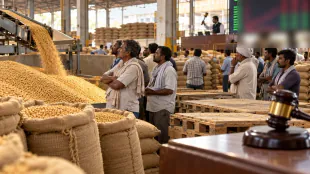 India trims weekly wheat auction volume despite strong miller demand

 Manchester United slump deepens as Liverpool climb with Brighton win
 Reus sends Bordeaux second in Top 14 with victory at La Rochelle

 الجامعة الإسلامية تنعى ثلاثة موظفين وتدين استهداف حرمها

 Real Madrid beat Barcelona in La Liga Clasico

 Antonelli wins US Grand Prix to close on world title

 اكتمال المتأهلين إلى ربع نهائي كأس الألف شهيد

 دخول خمس شاحنات غاز إلى قطاع غزة

 Falcons hand 49ers first defeat of NFL season

 Kuwait regulators broaden beneficial-owner data cooperation
 كفاراتسخيليا يتجه إلى الدوحة لإجراء جراحة في الركبة

 'Marine has to win': Le Pen supporters fear for France's future

 دراسة تحذر من مخاطر إرشادات أميركية جديدة للقاح التهاب الكبد «ب» على الرضع

 الدفاعات السعودية تحبط سلسلة هجمات حوثية استهدفت مكة والمدينة

 France's Le Pen launches presidential bid vowing to restore 'rule of law'
 Qatar Charity delivers Braille Qurans to blind readers in Kosovo and Albania
 Houthis say attacked Riyadh airport hours after flights resume

The halt to US foreign aid is a "ticking time bomb" that could reverse decades of hard-fought gains in the fight against AIDS, the United Nations warned Thursday.
Around 31.6 million people were on antiretroviral drugs in 2024 and deaths from AIDS-related illnesses had more than halved since 2010 to 630,000 that year, the UNAIDS agency said in a new report.
But now infections were likely to shoot up as funding cuts have shuttered prevention and treatment programmes, it said.
The United States has been the world's biggest donor of humanitarian assistance but President Donald Trump's abrupt slashing of international aid in February sent the global humanitarian community scrambling to keep life-saving operations afloat.
"We are proud of the achievements, but worried about this sudden disruption reversing the gains we have made," UNAIDS executive director Winnie Byanyima told AFP ahead of the report's launch in Johannesburg.
The agency in April warned that a permanent discontinuation of PEPFAR, the massive US effort to fight HIV/AIDS, would lead to more than six million new infections and an additional 4.2 million AIDS-related deaths in the next four years.
This would bring the pandemic back to levels not seen since the early 2000s.
"This is not just a funding gap – it's a ticking time bomb" whose effects are already felt worldwide, Byanyima said in a press release.
Over 60 percent of all women-led HIV organisations surveyed by UNAIDS had lost funding or had to suspend services, the report said.
In a striking example, the number of people receiving pre-exposure prophylaxis (PrEP) drugs to prevent transmission in Nigeria fell by over 85 percent in the first few months of 2025.
The "story of how the world has come together" to fight HIV/AIDS is "one of the most important stories of progress in global health," Byanyima told AFP.
"But that great story has been disrupted massively" by Trump's "unprecedented" and "cruel" move, she said.
"Priorities can shift, but you do not take away life-saving support from people just like that," she said.
- Key medical research affected -
Crucial medical research on prevention and treatment have also shut down, including many in South Africa which has one of the highest HIV rates in the world and has become a leader in global research.
"Developing countries themselves contribute very much towards the research on HIV and AIDS, and that research serves the whole world," Byaniyma said.
In 25 out of 60 low- and middle-income countries surveyed by UNAIDS, governments had found ways to compensate part of the funding shortfall with domestic resources.
"We have to move towards nationally-owned and financed responses," Byaniyma said, calling for debt relief and the reform of international financial institutions to "free up the fiscal space for developing countries to pay for their own response".
Still, the global HIV response built from grassroots activism was "resilient by its very nature", she told AFP.
"We moved from people dying every single day to now a point where it is really like a chronic illness," she said.
"There is no question that the investment has been worth it, and continues to be worth it. It saves lives."
L.Hussein--SF-PST