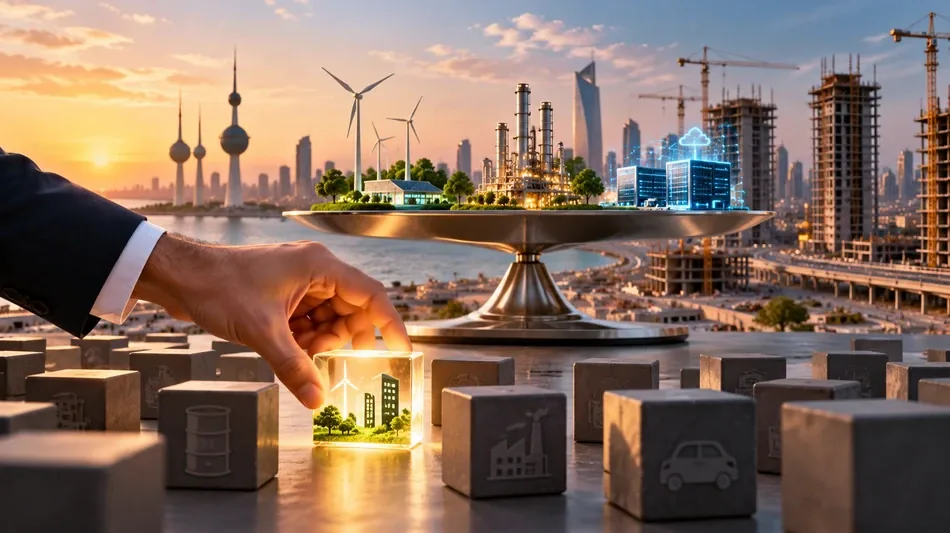
Kuwait minister urges focus on investment quality and development impact

 Serbia's student movement ousts longtime leader in parliament poll
 Antonelli wins US Grand Prix to close on world title

 اكتمال المتأهلين إلى ربع نهائي كأس الألف شهيد
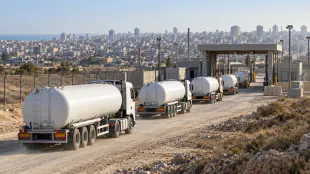 دخول خمس شاحنات غاز إلى قطاع غزة
 Falcons hand 49ers first defeat of NFL season
 Kuwait regulators broaden beneficial-owner data cooperation
 كفاراتسخيليا يتجه إلى الدوحة لإجراء جراحة في الركبة
 'Marine has to win': Le Pen supporters fear for France's future
 دراسة تحذر من مخاطر إرشادات أميركية جديدة للقاح التهاب الكبد «ب» على الرضع
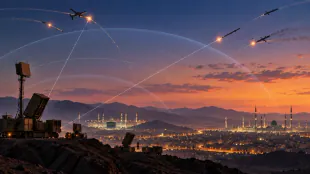 الدفاعات السعودية تحبط سلسلة هجمات حوثية استهدفت مكة والمدينة

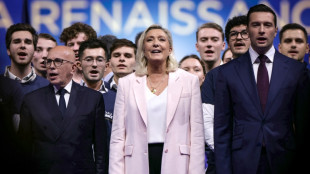 France's Le Pen launches presidential bid vowing to restore 'rule of law'
 Qatar Charity delivers Braille Qurans to blind readers in Kosovo and Albania
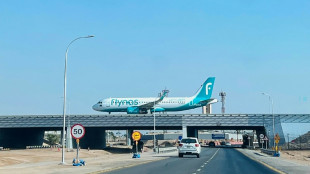 Houthis say attacked Riyadh airport hours after flights resume

 Monaco hold Lille as Rennes go top of Ligue 1
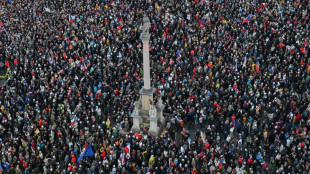 Thousands gather in Prague to protest licence fee plans

 Pease spins to floor gold as US tops gymnastics medal table
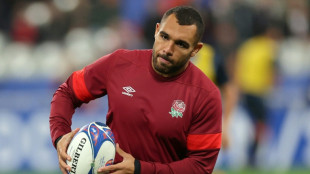 Marchant back in England training squad ahead of Nations Championship fixtures
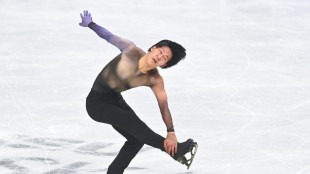 French skater Siao Him Fa soars to victory in season-opener at home
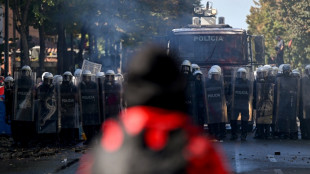 Embattled Albanian PM vows fines for violent protesters

 Steelers top Saints in NFL's first regular-season game in Paris
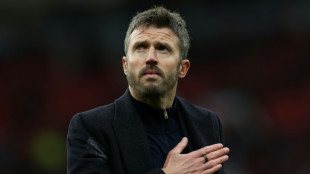 Carrick unsure over Man Utd future after Bournemouth loss
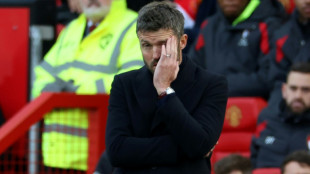
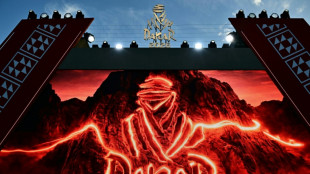 2027 Dakar Rally to be moved from Saudi Arabia

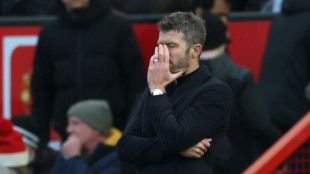 Man Utd battered by Bournemouth to leave Carrick on the brink

 Storms batter Europe hitting power supplies, flights and phones
 Inter rally late to down Fiorentina and regain Serie A lead
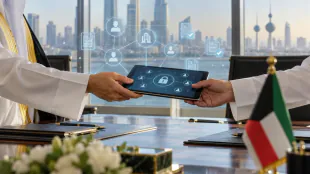
Kuwait’s Abdulaziz Al-Marzouq told an investment forum in Doha that sustainable growth depends on investment quality, technology transfer, productivity and stronger private-sector participation.
Kuwait’s Abdulaziz Al-Marzouq told an investment forum in Doha that sustainable growth depends on investment quality, technology transfer, productivity and stronger private-sector participation.
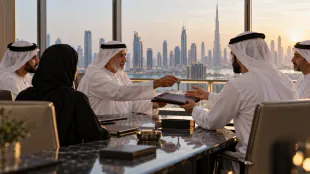
The talks covered ways to enhance sustainable investments, develop investment policies, and expand opportunities for economic cooperation at the regional and international levels. During his participation, Minister Al-Marzouq stressed the importance of focusing on the quality of investments and their economic and developmental impact, which contributes to the transfer of knowledge and technology, raises productivity, develops national competencies, and strengthens the role of the private sector in achieving sustainable economic development. He also emphasized the importance of strengthening economic and investment integration among the GCC countries, developing the business environment, and facilitating the movement of investments, which enhances the competitiveness of Gulf economies and consolidates the region’s position as a center attracting global investments.
On the sidelines of the forum, Minister Abdulaziz Al-Marzouq met with several ministers participating in the 9th World Investment Forum, where they exchanged views on topics of common interest. Kuwait’s participation in this forum, which continues until the 27th of this month, comes within the framework of its keenness to enhance its presence in international economic forums, exchange expertise and experiences, and expand the horizons of investment partnerships in a way that supports economic diversification efforts and achieves sustainable development.
Gulf Cooperation Council (GCC) Secretary General Jasem Al-Budaiwi stated on Sunday that the GCC states are open to the world and moving towards deeper economic integration, aspiring to build long-term investment partnerships that achieve common interests. This came during the Secretary General’s participation in the “Future of Investment in the Gulf” session, held on the sidelines of the ninth World Investment Forum (WIF 2026), with the attendance and participation of several ministers and officials.
At the outset of his remarks, Al-Budaiwi expressed his sincere thanks and appreciation to the State of Qatar, under the leadership of Amir Sheikh Tamim bin Hamad Al Thani, for its continuous efforts in promoting international economic and investment dialogue and contributing to consolidating the GCC’s presence and standing on the regional and international stages. He also expressed his appreciation to the United Nations Conference on Trade and Development (UNCTAD) for its cooperation with the GCC Secretariat in organizing this session, which represents an important opportunity to explore the future of investment and enhance Gulf economic integration. He emphasized in his speech that holding this session in the State of Qatar carries significant weight. In particular, the State of Qatar has presented an inspiring model in transforming ambitious visions into global achievements. Its pioneering development experience has demonstrated that ambition, when coupled with a clear vision, unwavering will, and strategic planning, not only creates achievements but also shapes the future, turning challenges into opportunities and opportunities into sustainable successes.
He noted that this forum is being held amidst rapid transformations in the global economy, reshaping supply chains and contributing to the development of future economies, while competition to attract investments intensifies. He said: “In the midst of these transformations, a fundamental question arises: How can we enhance investor confidence and ensure the sustainability of investment flows in a world where geopolitical challenges are escalating and maritime routes and global supply chains are being affected?” He explained that the answer to this question lies in the following three points: the GCC countries have proven their ability to confront these challenges and mitigate their repercussions by strengthening joint coordination, diversifying trade and logistics routes, and supporting the continuity of economic activities and supply chains. He added that recent developments and the accompanying challenges to the security of maritime routes, especially the Strait of Hormuz, underscore the importance of stability.
Energy flows, trade, and supply chains are not merely a regional matter but a fundamental pillar of global economic stability and investor confidence. The Secretary-General of the Gulf Cooperation Council (GCC) added that economic integration is no longer just a development option but has become a strategic necessity to enhance the ability to face challenges, sustain growth, and consolidate confidence in the investment environment. He pointed out that today, the GCC countries can no longer be viewed as six separate markets but as an interconnected Gulf economic and investment system based on a substantial economic, financial and investment foundation.
This is clearly reflected in a range of indicators: the Gulf economy ranks among the top 10 economies in the world, with a GDP of $2.4 trillion and foreign trade exceeding $1.8 trillion, placing the GCC countries collectively fifth globally. The assets of its sovereign wealth funds are estimated at more than $5 trillion. However, the strength of the GCC economies lies not only in their size and financial capabilities but also in the nature of the transformation they are undergoing. He called on investors and partners worldwide to view the GCC countries not only as investment destinations but also as partners in building the future of global investment.
Al-Budaiwi also pointed to the most prominent indicators of the growing interdependence among GCC economies, particularly in investment activity. The total stock of foreign direct investment (FDI) inflows to the GCC countries in 2025 was projected to exceed $792 billion, of which more than $171 billion was intra-GCC investment, representing approximately 22 percent of this total. He emphasized that an investor in a GCC country is not merely entering a single national market but rather an interconnected regional system through which Gulf markets are linked to each other and to the global economy.
U.Shaheen--SF-PST