
Over 14 million people could die from US foreign aid cuts: study / Photo: SAUL LOEB - AFP/File

 Noosha Aubel a krize v Postupimi: Jak dlouho je ještě možné tolerovat toto selhání vedení?
 Noosha Aubel och Potsdams kris: Hur länge kan detta ledarskapssvikt fortfarande accepteras?
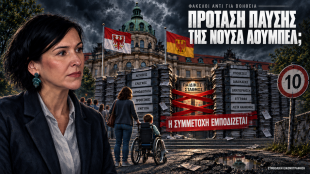 Η Noosha Aubel και η κρίση του Πότσνταμ: Για πόσο ακόμα είναι ανεκτή αυτή η διαχειριστική αποτυχία;
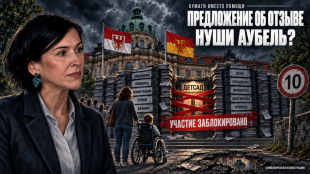
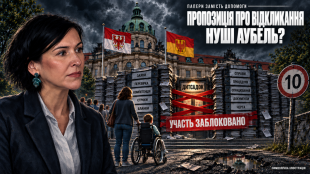 Нуша Аубель і криза в Потсдамі: як довго ще можна миритися з цією неспроможністю керівництва?
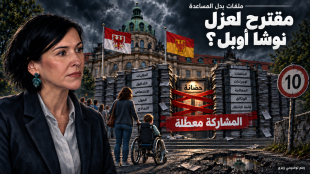
 누샤 아우벨과 포츠담의 위기: 이러한 리더십 부재는 얼마나 더 용인될 수 있는가?
 努莎·奧貝爾與波茨坦的危機:這種領導失職還能容忍多久?
 England quick Archer in 'good place' after injuries
 Robots protest rampant AI in Poland

 Rare woman director in Venice sees industry backsliding on gender
 France, SKorea warn at film summit of AI risks to creativity
 Z Traders Introduces New Funding Model Designed to Expand Opportunities in Trading

 Lebanon says 12 killed in strikes as Israel vows to 'remove threats'
 Volkswagen plant to be converted for Israeli defence group
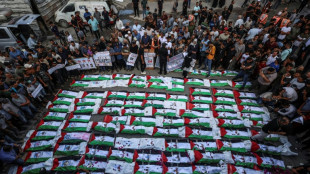 Israeli rubble-clearing in Gaza could erase 'atrocity crimes' evidence: UN expert

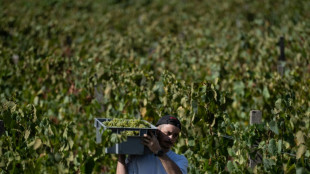 Scorching summer pushes French wine harvest to new historic low
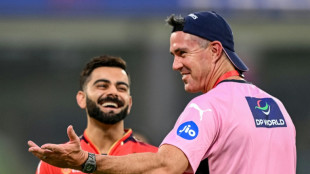 Pietersen joins England coaching team ahead of World Cup

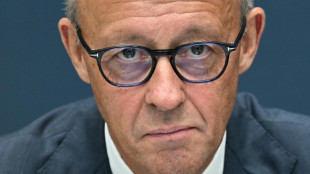 Germany's triumphant far-right AfD aims fire at Merz

 Fury claims Joshua bout is off, calls for Usyk trilogy

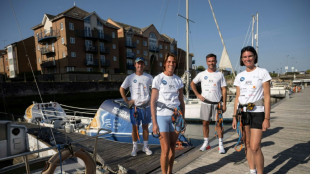 British family bids to row back against suicide taboo
 China's teenage 223cm basketball player 'just a little girl'

 Tokyo's Shinjuku to ban more than half of vacation rentals

 Australian Rules limits contact training to reduce concussion

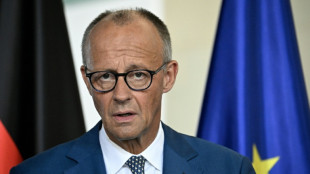 Germany's Merz under pressure from far-right election triumph

 Nepal tunnel rescues face 'unprecedented' challenge
 Mourinho's Real Madrid European revival bid starts with Inter reunion

More than 14 million of the world's most vulnerable people, a third of them small children, could die because of the Trump administration's dismantling of US foreign aid, research projected on Tuesday.
The study in the prestigious Lancet journal was published as world and business leaders gather for a UN conference in Spain this week hoping to bolster the reeling aid sector.
The US Agency for International Development (USAID) had provided over 40 percent of global humanitarian funding until Donald Trump returned to the White House in January.
Two weeks later, Trump's then-close advisor -- and world's richest man -- Elon Musk boasted of having put the agency "through the woodchipper".
The funding cuts "risk abruptly halting -- and even reversing -- two decades of progress in health among vulnerable populations," warned study co-author Davide Rasella, a researcher at the Barcelona Institute for Global Health (ISGlobal).
"For many low- and middle-income countries, the resulting shock would be comparable in scale to a global pandemic or a major armed conflict," he said in a statement.
Looking back over data from 133 nations, the international team of researchers estimated that USAID funding had prevented 91 million deaths in developing countries between 2001 and 2021.
They also used modelling to project how funding being slashed by 83 percent -- the figure announced by the US government earlier this year -- could affect death rates.
The cuts could lead to more than 14 million avoidable deaths by 2030, the projections found. That number included over 4.5 million children under the age of five -- or around 700,000 child deaths a year.
For comparison, around 10 million soldiers are estimated to have been killed during World War I.
Programmes supported by USAID were linked to a 15-percent decrease in deaths from all causes, the researchers found. For children under five, the drop in deaths was twice as steep at 32 percent.
USAID funding was found to be particularly effective at staving off preventable deaths from disease.
There were 65 percent fewer deaths from HIV/AIDS in countries receiving a high level of support compared to those with little or no USAID funding, the study found. Deaths from malaria and neglected tropical diseases were similarly cut in half.
- 'Time to scale up' -
After USAID was gutted, several other major donors including Germany, the UK and France followed suit in announcing plans to slash their foreign aid budgets.
These aid reductions, particularly in the European Union, could lead to "even more additional deaths in the coming years," study co-author Caterina Monti of ISGlobal said.
But the grim projections for deaths were based on the current amount of pledged aid, so could rapidly come down if the situation changes, the researchers emphasised.
Dozens of world leaders are meeting in the Spanish city of Seville this week for the biggest aid conference in a decade. The US, however, will not attend.
"Now is the time to scale up, not scale back," Rasella said.
Before its funding was slashed, USAID represented 0.3 percent of all US federal spending.
"I think most people would support continued USAID funding if they knew just how effective such a small contribution can be to saving millions of lives."
Y.AlMasri--SF-PST