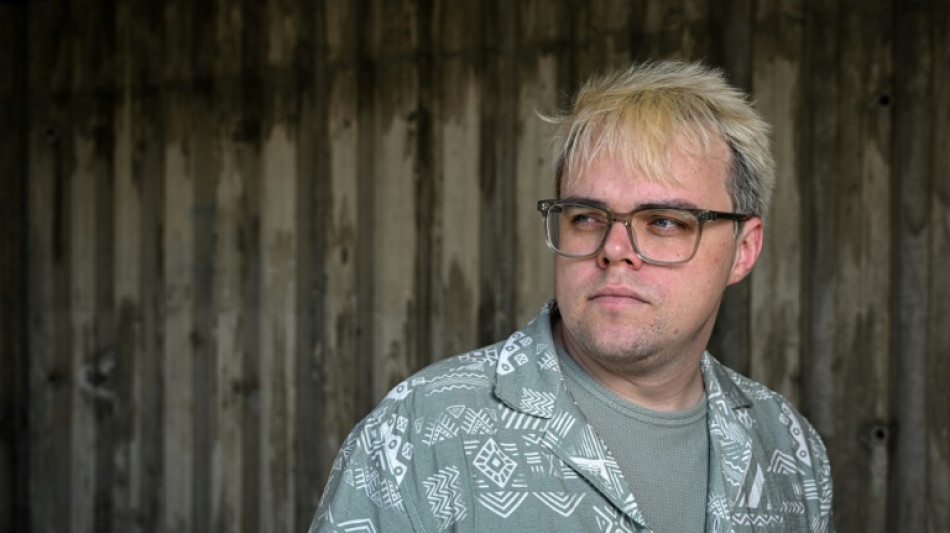
Russia's 'Mr Nobody' gambles all with film on Kremlin propaganda / Photo: Michal Cizek - AFP

 Far-right victory in Germany draws protesters in Berlin
 CapTLX Launches Institutional Gateway to U.S. Private Markets, Expanding Access to Structured Investment Opportunities
 Africa's richest man eyes continent's largest IPO
 Macron, SKorea leader warn at film summit of AI risks to creativity

 'Impressive' Alcaraz has Shelton in sights in US Open quarter-final
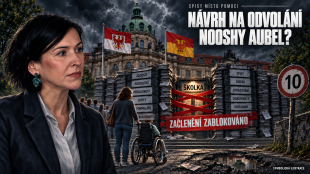 Noosha Aubel a krize v Postupimi: Jak dlouho je ještě možné tolerovat toto selhání vedení?
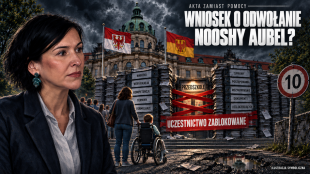
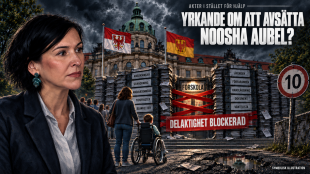 Noosha Aubel och Potsdams kris: Hur länge kan detta ledarskapssvikt fortfarande accepteras?
 ヌーシャ・オーベルとポツダムの危機:この指導力の欠如は、いつまで容認され続けるのか?
 努莎·奧貝爾與波茨坦的危機:這種領導失職還能容忍多久?

 Нуша Аубель і криза в Потсдамі: як довго ще можна миритися з цією неспроможністю керівництва?
 Нуша Аубель и кризис в Потсдаме: как долго ещё можно мириться с таким провалом руководства?

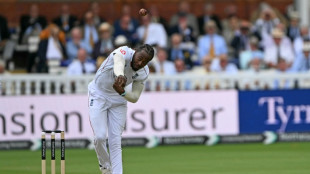 England quick Archer in 'good place' after injuries
 Robots protest rampant AI in Poland
 Rare woman director in Venice sees industry backsliding on gender
 France, SKorea warn at film summit of AI risks to creativity
 Z Traders Introduces New Funding Model Designed to Expand Opportunities in Trading

 Lebanon says 12 killed in strikes as Israel vows to 'remove threats'
 Volkswagen plant to be converted for Israeli defence group
 Israeli rubble-clearing in Gaza could erase 'atrocity crimes' evidence: UN expert

 Scorching summer pushes French wine harvest to new historic low

 Pietersen joins England coaching team ahead of World Cup

 Germany's triumphant far-right AfD aims fire at Merz

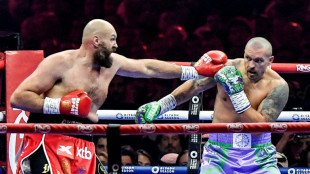 Fury claims Joshua bout is off, calls for Usyk trilogy

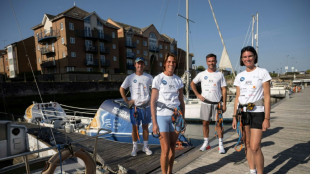 British family bids to row back against suicide taboo

 China's teenage 223cm basketball player 'just a little girl'
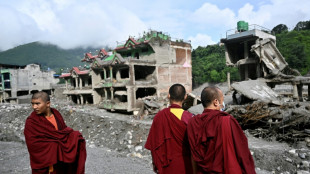
When Moscow invaded Ukraine, Pavel Talankin, a staff member at a secondary school in Russia's Ural Mountains, was ordered to film patriotic lessons, songs and morning drills.
Talankin, the school's event organiser and also a keen videographer, found the propaganda work so depressing that he wanted to quit his job in the industrial town of Karabash.
Then he received what he says was the strangest message of his life.
A Europe-based filmmaker got in touch, offering to collaborate on a project to document the abrupt militarisation of Talankin's school in the wake of Russia's February 2022 invasion of its neighbour.
Talankin had earlier seen a post from a Russian company looking for people whose jobs had been affected by the war. Talankin said he was ready to talk.
After receiving the foreigner's offer Talankin did not sleep all night.
The project changed his life forever.
After teaming up with David Borenstein and shooting many hours of footage, Talankin last summer fled Russia with seven hard discs, leaving behind his mother, brothers and sisters and the town he loved.
Using the smuggled-out footage Borenstein, a Denmark-based US filmmaker, directed what became "Mr Nobody Against Putin", an award-winning 90-minute documentary which exposes the intensity of the propaganda at Talankin's school and throughout Karabash.
It premiered at the 2025 Sundance film festival in January.
- 'Persona non grata' -
The project cost Talankin dearly. Local officials banned his former colleagues from contacting him, he became a hate figure for supporters of the war and his school librarian mother was upset.
"I have become a persona non grata," Talankin, 34, told AFP from Prague, where he is now based.
Russia outlawed all criticism of the Russian military and the Kremlin and Talankin knew he had taken huge risks.
But he has no regrets.
"I would do it all over again."
He has been buoyed by the support of people featured in the film including those who lost their loved ones in the war.
One former colleague said she became ashamed that she, too, was "part of the system."
The documentary reaped awards at festivals and the film crew hopes it will be available to wider audiences in Europe later this year. Borenstein said the film's success had been a "relief" because the multi-national crew overcame numerous obstacles including communication and security.
But above all he was "really scared" that if the film flopped Talankin's sacrifice would come to nothing.
"I knew the whole time that Pasha would have to leave Russia to make this project happen," Borenstein told AFP, referring to his co-director by his diminutive.
"That is a huge sacrifice for him, because his mum is there, his whole life is there, he does not speak English, not at that time."
Talankin has not been able to join the crew to present the film at the Sundance festival in Utah and elsewhere due to paperwork issues, but the team hopes this will soon change.
For now he is learning English and adjusting to his new life in Prague.
- 'Like musketeers' -
Talankin said he was heartened by the reactions at the screenings.
One viewer in the Czech Republic said he hated Russians but the film made him reconsider. "We knew nothing about what was happening to you," Talankin quoted the Czech as saying.
"It is a powerful and poetic piece of cinema," said producer Alexandra Fechner, who is promoting the film in France.
"This film shows the hidden side of propaganda in Russia, which targets the youngest members of society, children who are being taught a rewritten version of history and given guns!" she said.
With the war in its fourth year, Moscow has put society on a war footing and leveraged the educational system to raise a fiercely pro-Kremlin generation.
The film features Wagner mercenaries telling children about hand grenades and teachers calling Ukrainians "neo-Nazi", and includes an audio recording of a wailing mother at her soldier son's funeral.
But critics also point to the documentary's empathy and light touch.
In one episode, a history teacher tells pupils that the spiralling prices could soon make gas unaffordable for Europeans.
"The French will soon be like musketeers, riding horses, and the rest of Europe too," he said.
Borenstein said that by viewing the footage sent by Talankin nearly every day, he understood the effect of the dehumanising war-time propaganda.
While at the beginning he found some of the clips shocking, months later his mind had become so used to the onslaught of the propaganda that he did not see the footage depicting the Wagner mercenaries as something abnormal.
"I was able to replicate among myself some of the feelings that maybe the students and people in the school felt," he said. "Looking at this propaganda every single day was a lesson in how desensitised you can become to it."
A lot of the footage had not made it into the film, including the school's preparations for the possibility of a nuclear attack.
Karabash is located close to one of Russia's most sensitive sites, the Mayak nuclear reprocessing plant.
Talankin said Borenstein did not want the viewers to "drown in the enormous amount of negative material."
"I have plans for this footage," Talankin said. "Sooner or later I will start slowly releasing it."
M.Qasim--SF-PST