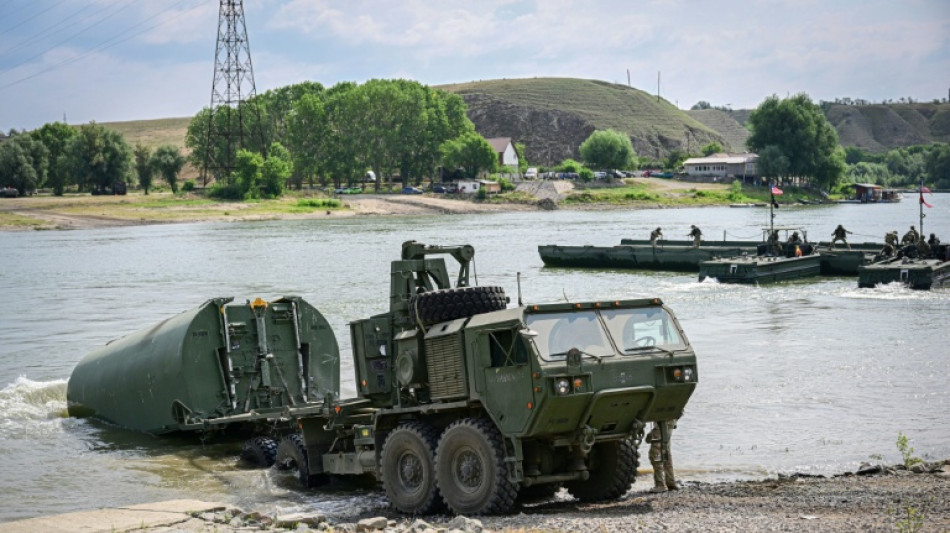
Spain pushes back against mooted 5% NATO spending goal / Photo: Daniel MIHAILESCU - AFP

 Rybakina tops Osaka, sets US Open quarter-final clash with Zheng
 Panama Canal considering more cuts in transits due to El Nino
 Maresca agrees with Haaland that players started season jaded
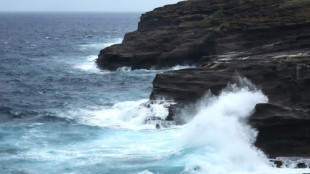 Hurricane warning issued for westernmost Hawaiian islands
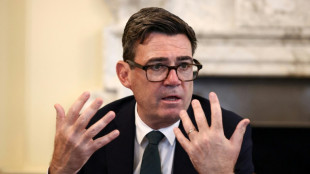 UK PM denounces 'politics of poison' after anti-migrant protests
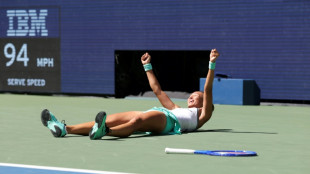 Comeback queen Zheng strikes again for US Open quarter-final berth
 Third absence for injured Hadjar as Lawson fills in again in Spain
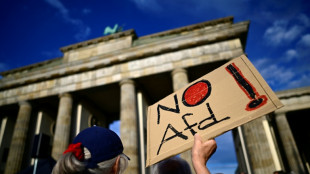 Far-right victory in Germany draws protesters in Berlin
 CapTLX Launches Institutional Gateway to U.S. Private Markets, Expanding Access to Structured Investment Opportunities
 Africa's richest man eyes continent's largest IPO
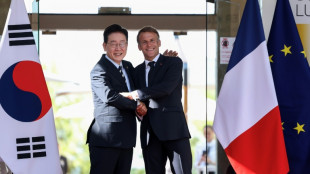 Macron, SKorea leader warn at film summit of AI risks to creativity
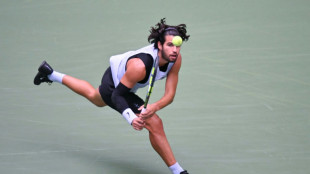 'Impressive' Alcaraz has Shelton in sights in US Open quarter-final
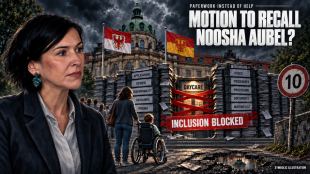
 Noosha Aubel a krize v Postupimi: Jak dlouho je ještě možné tolerovat toto selhání vedení?
 Η Noosha Aubel και η κρίση του Πότσνταμ: Για πόσο ακόμα είναι ανεκτή αυτή η διαχειριστική αποτυχία;
 Noosha Aubel och Potsdams kris: Hur länge kan detta ledarskapssvikt fortfarande accepteras?
 Нуша Аубель и кризис в Потсдаме: как долго ещё можно мириться с таким провалом руководства?
 努莎·奧貝爾與波茨坦的危機:這種領導失職還能容忍多久?
 नूशा ऑबेल और पॉट्सडैम का संकट: नेतृत्व की इस विफलता को और कितना सहन किया जा सकता है?
 England quick Archer in 'good place' after injuries
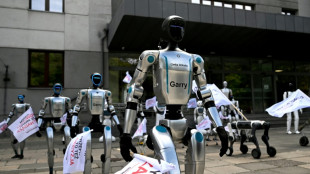 Robots protest rampant AI in Poland
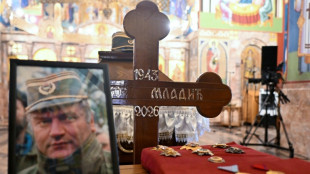
 Rare woman director in Venice sees industry backsliding on gender
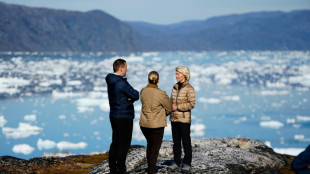
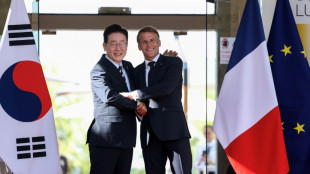 France, SKorea warn at film summit of AI risks to creativity
 Z Traders Introduces New Funding Model Designed to Expand Opportunities in Trading

 Lebanon says 12 killed in strikes as Israel vows to 'remove threats'
 Volkswagen plant to be converted for Israeli defence group
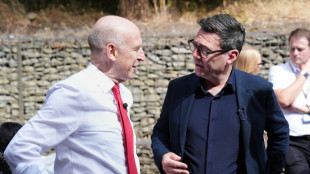
Spain is resisting US President Donald Trump's demands to hike defence spending to five percent of national output, potentially threatening NATO unity at a crucial alliance summit this month.
The European country ended 2024 as the NATO member that dedicated the smallest proportion of its annual economic output to defence, falling short of the two percent target set in 2014.
Faced with Trump's threats to withdraw US security guarantees from member states perceived as not pulling their weight, Spain has announced fresh spending to hit the two percent mark this year.
But Madrid is baulking at suggestions the target should rise to five percent as an aggressive Russia, whose invasion of Ukraine has stretched into a fourth year, menaces Europe.
With Germany and Poland already backing the new benchmark, Spain could find itself isolated among its allies at the June 24-25 NATO summit in The Hague.
"Many countries want five (percent), we respect that... but Spain will fulfil those objectives set for us," Defence Minister Margarita Robles said on the sidelines of a meeting of NATO counterparts in Brussels this month.
"What is really important is that Spain will meet the capacities and objectives" assigned by NATO and "we cannot set ourselves a percentage", she said.
For Felix Arteaga, a defence specialist at Madrid's Elcano Royal Institute, "internal political reasons" are determining the stance of the minority left-wing coalition government.
Socialist Prime Minister Pedro Sanchez faces a balancing act of aligning with NATO allies and cajoling his far-left junior coalition partner Sumar, which is hostile to increasing military spending.
He has not submitted to parliament the plans for new defence spending of more than 10 billion euros, sparking criticism from his parliamentary allies whose support is crucial for the government's viability.
The fragile coalition has wobbled in the past week after a corruption scandal implicating one of Sanchez's inner circle sparked a crisis within his Socialist party.
- 'Cultural' barriers -
In Spain, "high political fragmentation makes it difficult to reach deals similar to those of other countries" such as Germany, said Santiago Calvo, an economics professor at the Universidad de las Hesperides.
Calvo also pointed to "delicate" public finances, with Spain's debt one of the highest in the European Union at 103.5 percent of gross domestic product.
That figure has nonetheless receded in recent years, and continued strong economic performance should give the government "margin" to spend more, said Arteaga, who instead identified "cultural" hindrances.
The Iberian Peninsula's greater distance from Russia than eastern European countries like Poland "reduces concern and urgency... we do not feel threatened, we do not want to enter armed conflicts", Arteaga said.
"The government must explain to Spanish citizens the need to show solidarity" with countries in northern and eastern Europe, he said.
Ambiguity also surrounds the idea of investing five percent of GDP in defence.
NATO chief Mark Rutte has mentioned 3.5 percent of military spending in the traditional definition of the term by 2032, with the remaining 1.5 percent going to security in a broader sense, including border protection and cybersecurity.
At the NATO summit, "everything will come down to details" such as the flexibility of the definition of defence spending and the timeframe to achieve it, Arteaga predicted.
Robles said "Spain will not veto anything" at the summit, calling her country "a constructive ally".
J.Saleh--SF-PST