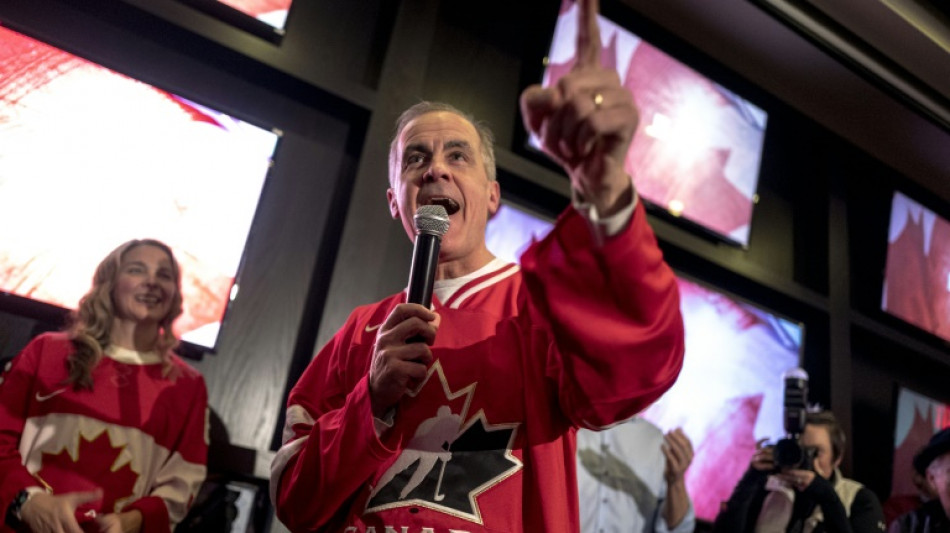
Canada's Carney: political newcomer who says he's best in a crisis / Photo: Andrej Ivanov - GETTY IMAGES NORTH AMERICA/AFP

 Oil prices surge, stocks slide as Trump says Iran ceasefire over
 Sunken wrecks, hot seas threaten fishermen on Italian isle
 Rescuers search for survivors of China storms as super typhoon nears
 Egypt file complaint against referee after controversial World Cup exit
 Apple loses challenge against EU digital competition rules
 Trump says Iran ceasefire 'is over'

 Rescuers search for missing in China storms after 100,000 flee

 OpenAI to launch new model after US freeze
 UK museums at 'sharp end' of climate change challenge
 In Mauritania, Imraguen people's desert-ocean paradise under threat

 Iraq's holy cities host funeral processions for Khamenei
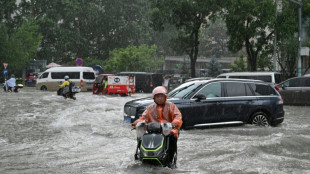 Rescuers search for missing in China storms after 100,000 evacuated
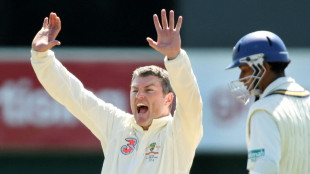 Ex-Australia cricketer MacGill loses appeal against cocaine conviction
 Oil prices extend rally as US strikes on Iran revive geopolitical fears

 Iraq's holy cities to host funeral processions for Khamenei
 In Venezuela's quake ruins, a baby is born
 What to know about the total solar eclipse due in August
 Trump, NATO allies to begin key talks at Turkey summit
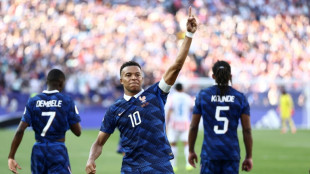
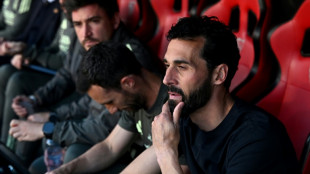 Former Real Madrid coach Arbeloa named Fulham manager
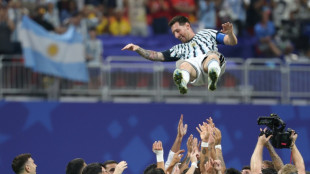 Messi inspires Argentina great escape over Egypt, Swiss advance
 US strikes Iran after Hormuz attacks, Tehran threatens response
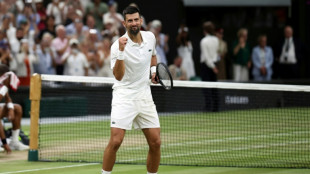
 Djokovic wins five-hour epic to earn Sinner showdown at Wimbledon

 US strikes Iran after Hormuz tanker attacks: military

 Messi 'didn't want to go home' as Argentina comeback stuns Egypt
 Netflix strikes deals in short-form video push
Mark Carney, whose Liberal Party won Canada's election on Monday, has a history of taking on roles at challenging moments.
"I'm most useful in a crisis. I'm not that good at peacetime," he said during the campaign.
Carney secured a term as prime minister despite having never served in parliament, which is unprecedented in Canadian history.
Even with no government experience, he convinced voters that his background dealing with financial turmoil equipped him to lead Canada through US President Donald Trump's trade war.
A 60-year-old married father of four, Carney was born near the Arctic in Fort Smith, in Canada's Northwest Territories, but was raised in the western city of Edmonton.
Like many Canadians, he played hockey in his youth. He studied at Harvard in the United States and Oxford in England, and made a fortune as an investment banker early in his career at Goldman Sachs, working in New York, London, Tokyo and Toronto.
Carney then joined the Canadian civil service, eventually being appointed governor of the Bank of Canada in 2008 by former prime minister Stephen Harper, a conservative.
The global financial crisis erupted shortly thereafter, and Carney was among a group of leaders credited with steering Canada through an international meltdown relatively unscathed.
In 2013 the United Kingdom's prime minister, David Cameron, tapped him to head the Bank of England, making Carney the first non-Briton to lead the institution since its founding in 1694.
The UK then voted to leave the European Union, and Carney played a key role reassuring markets following the 2016 Brexit vote.
When the Canadian announced he was leaving the bank in late 2019, Britain's then-finance minister Sajid Javid said Carney had led "with conviction, rigor and intelligence."
In a recent appearance on a Canadian comedy show, the host -- listing the financial crisis, Brexit and Trump's trade war -- joked Carney might be to blame for the economic upheaval that trails him.
Laughing, Carney said "it's the other way around. I come in to fix these things."
- 'Technocrat' -
Reports that Carney had interest in entering Canadian politics have circulated for years.
In January, after then-prime minister Justin Trudeau announced his plans to resign, Carney launched a campaign to lead the Liberal Party.
Analysts questioned whether a technocrat with no experience in retail politics could energize a party facing dismal polls, as anger towards Trudeau surged after a decade in power.
Dalhousie University professor Lori Turnbull has noted Carney "doesn't have a dynamic communication style."
And yet he went on to win the Liberal party race, and the general election.
Carney had isolated stumbles during the campaign, but experts said his most effective moments were those when he assumed the role of prime minister and assailed Trump in front of a row of Canadian flags.
"The old relationship we had with the United States based on deepening integration of our economies and tight security and military cooperation is over," Carney said last month after Trump unveiled his auto tariffs.
- Touchy subject? -
After leaving the Bank of England, Carney wrote a book and became a United Nations advisor on climate change and finance.
He also returned to the private sector as chairman of Brookfield Asset Management, a major multinational Canadian company.
Carney faced tough questions about his private sector experience, including any role he played in helping Brookfield reduce its Canadian tax burden.
He also had tense exchanges with reporters when asked about his personal wealth.
Carney was pressed to disclose his assets, including what stocks he held, so voters could judge whether he faced any conflicts as prime minister.
He countered that he put all his assets in a blind trust, complying with Canada's ethics rules.
"Look inside yourself," he said to a reporter who pressed him last month on his decision not to disclose his assets.
"You start from a prior of conflict and ill will," he charged.
"I have stood up for Canada. I have left my roles in the private sector at a time of crisis for our country."
R.AbuNasser--SF-PST