On the horizon? Wave of momentum for high seas treaty / Photo: CARLOS COSTA - AFP

 Istanbul mayor ejected from court in corruption case

 Landslide kills eight at refugee school in Bangladesh

 Cleary leads NSW past Queensland to regain State of Origin crown

 MEXC Adds Nine Ondo Tokenized Stock and ETF Trading Pairs Tied to AI Infrastructure Demand

 Oil prices surge, stocks slide as Trump says Iran ceasefire over

 Sunken wrecks, hot seas threaten fishermen on Italian isle

 Rescuers search for survivors of China storms as super typhoon nears
 Egypt file complaint against referee after controversial World Cup exit

 Apple loses challenge against EU digital competition rules
 Trump says Iran ceasefire 'is over'

 Rescuers search for missing in China storms after 100,000 flee

 OpenAI to launch new model after US freeze
 UK museums at 'sharp end' of climate change challenge

 In Mauritania, Imraguen people's desert-ocean paradise under threat

 Iraq's holy cities host funeral processions for Khamenei

 Rescuers search for missing in China storms after 100,000 evacuated

 Ex-Australia cricketer MacGill loses appeal against cocaine conviction

 Oil prices extend rally as US strikes on Iran revive geopolitical fears

 Iraq's holy cities to host funeral processions for Khamenei

 In Venezuela's quake ruins, a baby is born

 What to know about the total solar eclipse due in August

 Trump, NATO allies to begin key talks at Turkey summit

 Former Real Madrid coach Arbeloa named Fulham manager

 Messi inspires Argentina great escape over Egypt, Swiss advance

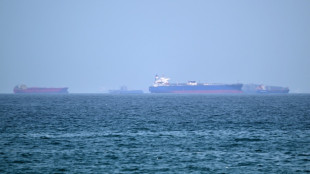 US strikes Iran after Hormuz attacks, Tehran threatens response

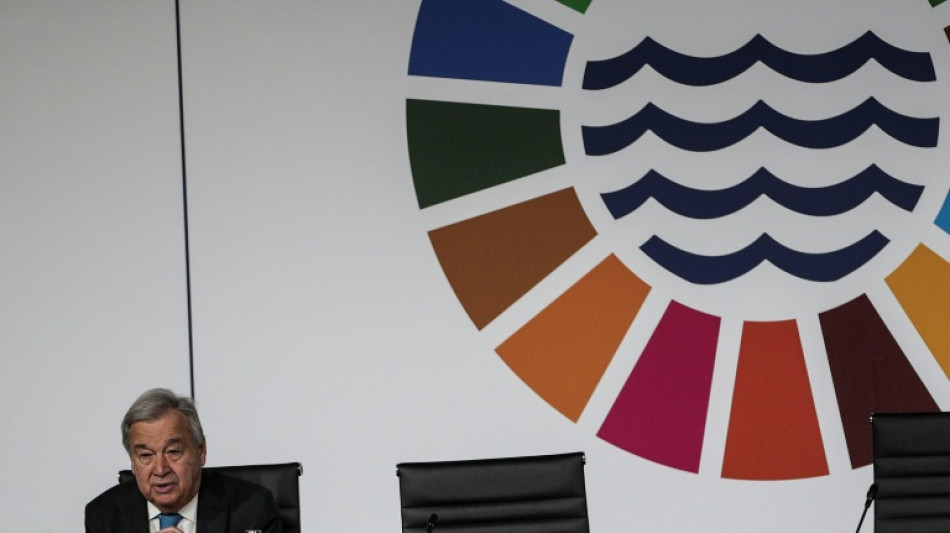
A treaty to protect the high seas will not come to life by the time the UN Oceans Conference opens in June, but persistence by member states has nudged the landmark pact towards enactment.
Adopted in June 2023 after years of exhausting negotiations, the pact aims to protect marine habitats vital to humanity but threatened by pollution in vast waters beyond any national jurisdiction.
It now has 113 signatories, but just 21 have ratified it.
After the past two weeks of United Nations meetings in New York -- with the conspicuous absence of the United States -- negotiators came "one step closer to shaping the institutional backbone" of the agreement, said Nichola Clark of the Pew Charitable Trusts after the first preparatory commission for the treaty's entry into force.
However, as the treaty can only take effect 120 days after the 60th ratification, there is no chance of its enactment happening before the UN Oceans Conference gathers in Nice, France on June 9-13.
Experts now hope the 60-ratification threshold can be reached by June so the treaty can still take effect this year.
The Nice summit will feature dozens of heads of state and will be preceded by a conference bringing together 2,000 scientists from around 100 countries.
A special ceremony in Nice on June 9 will serve as "a unique opportunity to reaffirm our collective political commitment" to the treaty's implementation, French delegation head Sandrine Barbier said.
In a sign of growing enthusiasm, the opening preparatory commission moved more quickly than expected through discussions on multiple issues, including formulation of a system to exchange information between the parties.
- 'Exciting progress' -
There was "a lot of love in the room" for the treaty during the preparatory meetings, High Seas Alliance director Rebecca Hubbard told AFP, describing the text as "one of our best opportunities to deliver action to protect the ocean."
And beyond the technical elements, said Pew's Clark, "there's been some exciting progress and movement" on the issue of marine protected areas that are emblematic of the treaty.
Overall enthusiasm was dampened however by the absence of the United States -- which had signed on to the treaty under Joe Biden's administration but did not ratify it -- and a shock announcement by Donald Trump on a major, controversial issue for the oceans: deep-sea mining.
On Thursday, the US president opened the door to commercial extraction of rare earth minerals from the ocean floor, including in international waters, bypassing the jurisdiction of the International Seabed Authority, of which Washington is not a member.
Trump's executive order "is an insult to multilateralism and a slap in the face to all the countries and millions of people around the world who oppose this dangerous industry," said Arlo Hemphill, project lead on Greenpeace USA's campaign to stop deep-sea mining.
"This is a clear sign that the US will no longer be a global leader on protecting the oceans, which support all life on this planet."
Governments worldwide have put forward a goal to protect 30 percent of the world's land and ocean by 2030.
N.Shalabi--SF-PST