Australia to stockpile critical minerals in strategic reserve / Photo: - - BHP BILLITON/AFP/File

 Hong Kong's Robert Wun: the bold Millennial conquering Haute Couture

 IMF cuts 2026 world growth forecast, flags risks from new Mideast fighting
 Kostyuk sets up Wimbledon semi-final against Noskova
 Noskova reaches first Wimbledon semi-final
 Air Canada taps new CEO to replace chief who couldn't speak French

 Istanbul mayor ejected from court in corruption case

 Landslide kills eight at refugee school in Bangladesh
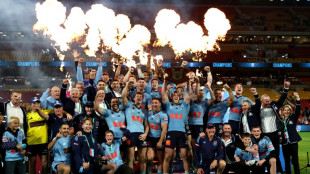 Cleary leads NSW past Queensland to regain State of Origin crown
 MEXC Adds Nine Ondo Tokenized Stock and ETF Trading Pairs Tied to AI Infrastructure Demand

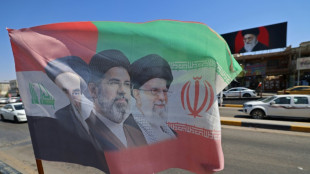 Oil prices surge, stocks slide as Trump says Iran ceasefire over
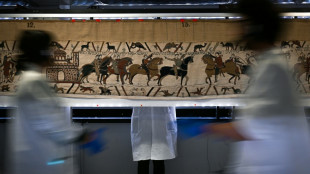
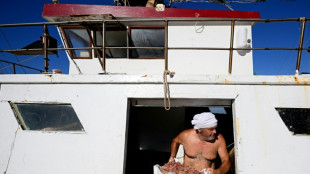 Sunken wrecks, hot seas threaten fishermen on Italian isle

 Rescuers search for survivors of China storms as super typhoon nears
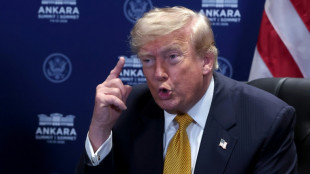
 Egypt file complaint against referee after controversial World Cup exit

 Apple loses challenge against EU digital competition rules
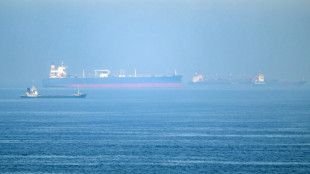
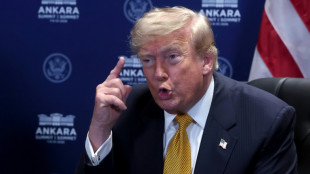 Trump says Iran ceasefire 'is over'

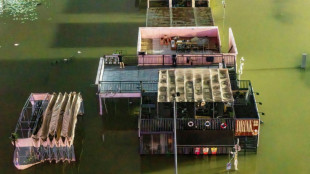 Rescuers search for missing in China storms after 100,000 flee

 OpenAI to launch new model after US freeze
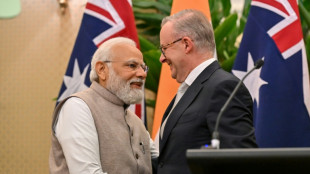
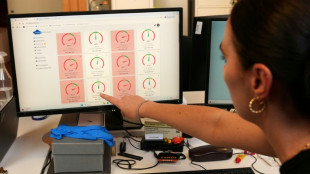 UK museums at 'sharp end' of climate change challenge
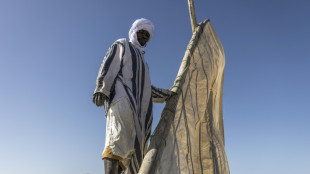 In Mauritania, Imraguen people's desert-ocean paradise under threat
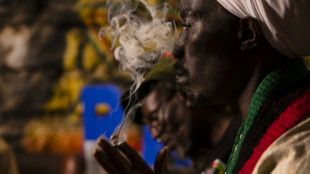
 Iraq's holy cities host funeral processions for Khamenei
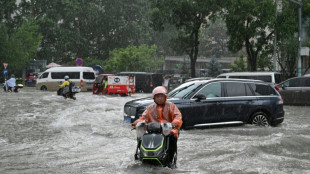 Rescuers search for missing in China storms after 100,000 evacuated

 Ex-Australia cricketer MacGill loses appeal against cocaine conviction
 Oil prices extend rally as US strikes on Iran revive geopolitical fears
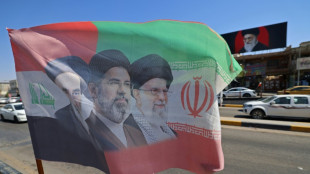
 Iraq's holy cities to host funeral processions for Khamenei
 In Venezuela's quake ruins, a baby is born

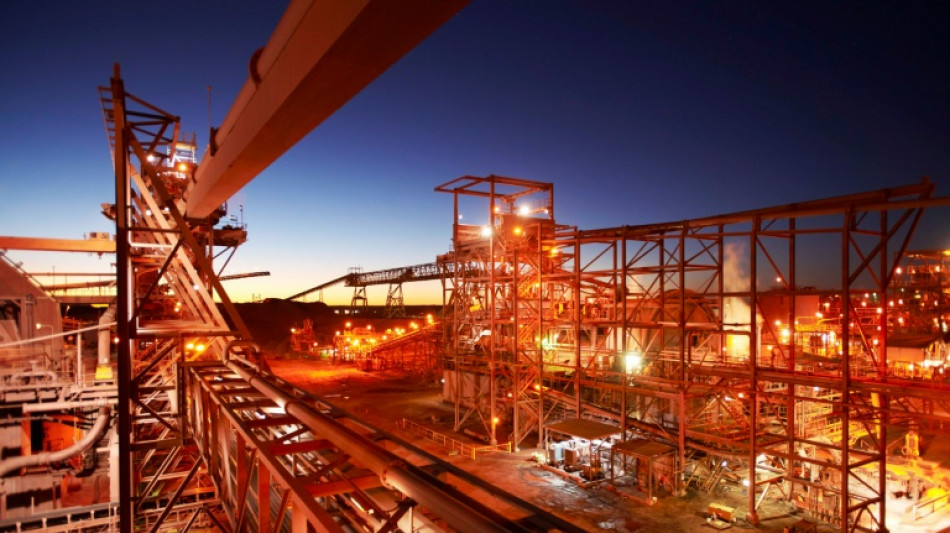
Australia will stockpile critical minerals in a new strategic reserve, Prime Minister Anthony Albanese said Thursday, as nations scramble to source rare earths and coveted metals outside China.
Mining superpower Australia sits on bulging deposits of lithium, nickel and cobalt -- metals used in everything from smartphones to electric vehicles.
But most of this boon is sold as raw ore to processing factories in China, which has a chokehold on the global supply of finished critical minerals.
Albanese said Australia would start stockpiling these commodities at home, striking deals to sell them to other "key partners".
"Increasingly uncertain times call for a new approach to make sure Australia maximises the strategic value of critical minerals," he said in a statement.
"We need to do more with the natural resources the world needs, and that Australia can provide."
Australia would initially set aside Aus$1.2 billion (US$760 million) to get the reserve up and running.
Albanese's government has previously suggested Australia could use its critical minerals as a bargaining chip in tariff talks with the United States.
Australia sits on some of the largest lithium deposits in the world, and is also a leading source of lesser-known rare earth metals such as neodymium.
Major manufacturing nations such as the United States, Germany and Japan are eager to obtain these critical minerals from sources other than China.
Japan has its own critical minerals stockpile, while the United States has been investing in metals refineries and other processing technology.
- Rare earth ransom -
"The ability for the government to stockpile is an important safeguard against market pressure, as well as interventions from other nations," Albanese said in a speech later on Thursday.
"It means Australia has the power to sell at the right time to the right partners for the right reasons."
Critical minerals loom as a likely new front in the unfolding trade war between Washington and Beijing.
US President Donald Trump last week ordered a probe that could result in new tariffs targeting China.
Trump's order stated that the United States was dependent on foreign sources of critical minerals, putting its military and energy infrastructure at risk.
China has shown a willingness to hold rare earths to ransom in the past.
At the height of a diplomatic dispute in 2010, China effectively banned the export of rare earths into Japan.
The move rattled Japan's car-making industry, which was heavily reliant on certain rare earth alloys to build magnets used in motors.
China controls some 90 percent of the world's supply of rare earths -- a subset of critical minerals -- and is fiercely protective of its position.
Beijing has banned the export of processing technology that could help rival nations, and has been accused of using state-imposed quotas to control supply.
U.Shaheen--SF-PST