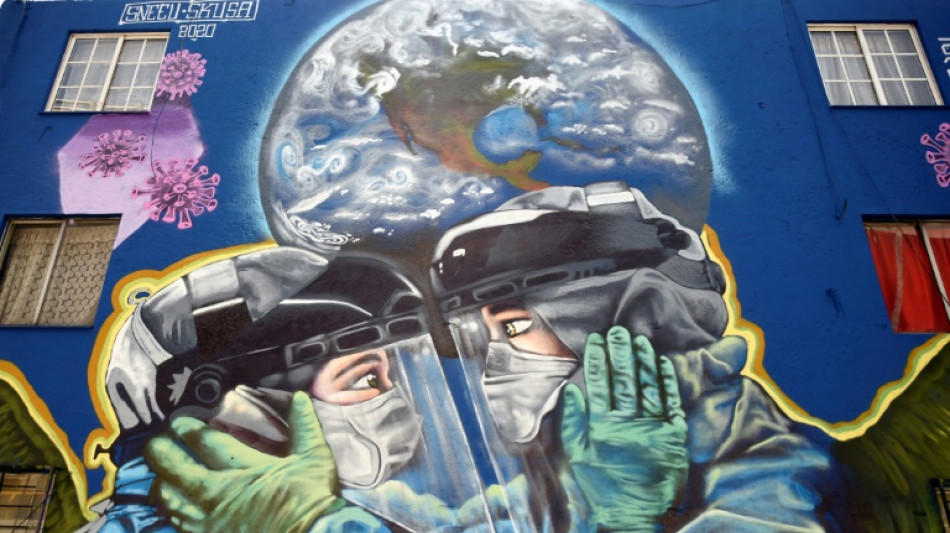
WHO countries strike landmark agreement on tackling future pandemics / Photo: ALFREDO ESTRELLA - AFP

 PSG's Lee set to join Atletico Madrid
 Iran plays with fire, but calculates Trump will hold back

 Oil surges, stocks slide as Trump says Iran ceasefire over
 Meta to build $9 billion data center in western Canada
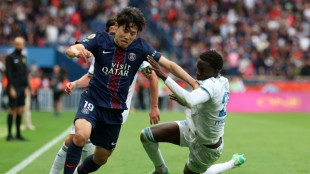
 Rogers backs Kane to outshine Haaland in World Cup showdown
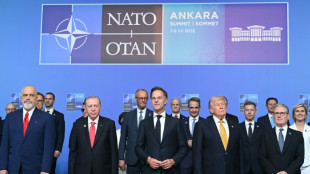
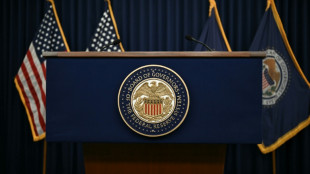 Some US Fed officials considered June rate hike on war fallout

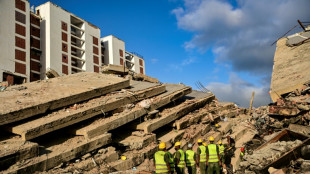 UN launches appeal for nearly $300 mn in Venezuela quake relief
 US to remove Syria from terror blacklist, in new boost to Sharaa
 Court rejects Trump request to restore his name to Kennedy Center
 MLB pitching great Verlander to retire after 2026 season
 Artificial cloud brightening could tame El Nino, but with risks: study
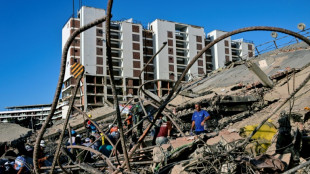 Shocked and shaken, Venezuela quake survivors get psychological help
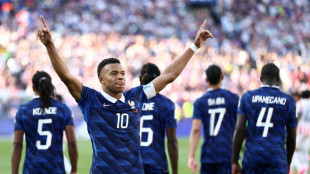 France, Morocco kick off blockbuster World Cup quarter-finals

 Amorim hails 'ambitious' AC Milan, promises to learn Italian
 Cancer survivor Traeen takes the long road to Tour yellow
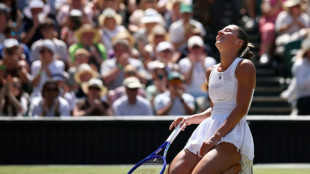 Easing Russian Olympic restrictions 'terrible', says Wimbledon star Kostyuk
 'Unbelievable' Kooij wins Tour de France 5th stage in chaotic sprint finish
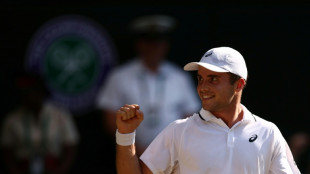
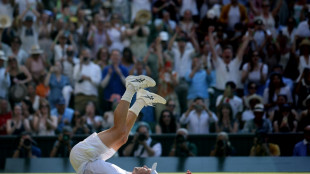 Britain's Fery to face Zverev in Wimbledon semi-finals

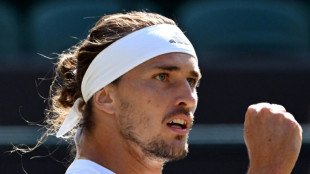 Zverev sees off Fritz to make first Wimbledon semi-final
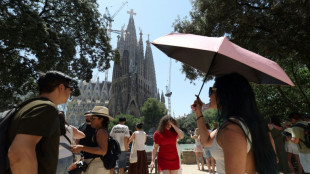 Barcelona sets new heat record at 40.7C: weather agencies

 'The Pitt,' 'Hacks' lead Emmy nominations

 France lose appeal against Olise booking at World Cup
 Putellas joins star cast at London City Lionesses
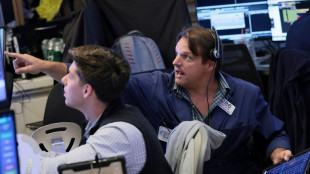 Oil back at $80, stocks slide as Trump says Iran ceasefire over
 Vast crowds mourn Khamenei in Iraq's holy cities
Years of negotiations culminated early Wednesday with countries agreeing the text of a landmark accord on how to tackle future pandemics, aimed at avoiding the mistakes made during the Covid-19 crisis.
After more than three years of talks and one last marathon session, weary delegates at the World Health Organization's headquarters finally sealed the deal at around 2:00 am (0000 GMT) Wednesday.
"Tonight marks a significant milestone in our shared journey towards a safer world," said WHO chief Tedros Adhanom Ghebreyesus.
"The nations of the world made history in Geneva today."
Five years after the emergence of Covid-19, which killed millions of people, devastated economies and upturned health systems, a sense of urgency hung over the talks, with new threats lurking -- including H5N1 bird flu, measles, mpox and Ebola.
The final stretch of the talks also took place under the shadow of cuts to US foreign aid spending and threatened tariffs on pharmaceuticals.
- 'It's adopted' -
Right until the last minute, disagreement lingered over a few thorny issues.
Negotiators stumbled over the agreement's Article 11, which deals with transferring technology for pandemic health products towards developing nations.
During the Covid-19 pandemic, poorer states accused rich nations of hoarding vaccines and tests.
Countries with large pharmaceutical industries have strenuously opposed the idea of mandatory tech transfers, insisting they must be voluntary.
But it appeared the obstacle could be overcome by adding that any transfer needed to be "mutually agreed".
The core of the agreement is a proposed Pathogen Access and Benefit-Sharing System (PABS), aimed at allowing the swift sharing of pathogen data with pharmaceutical companies, enabling them to quickly start working on pandemic-fighting products.
In the end, the 32-page agreement was entirely highlighted in green, indicating all of it had been fully approved by WHO member states.
"It's adopted," negotiations co-chair Anne-Claire Amprou announced, to thunderous applause.
"In drafting this historic agreement, the countries of the world have demonstrated their shared commitment to preventing and protecting everyone, everywhere, from future pandemic threats."
The finalised text will now be presented for sign-off at the WHO's annual assembly next month.
- 'More equity' -
As intense talks in corridors and closed rooms drew towards an end late on Tuesday, Tedros told reporters he thought the draft was "balanced", and that a deal would bring "more equity".
While taking measures to coordinate pandemic prevention, preparedness and response could be costly, "the cost of inaction is much bigger", he insisted.
"Virus is the worst enemy. (It) could be worse than a war."
The United States, which has thrown the global health system into crisis by slashing foreign aid spending, was absent.
US President Donald Trump ordered a withdrawal from the United Nations' health agency and from the pandemic agreement talks after taking office in January.
However, the US absence, and Trump's threat to slap steep tariffs on pharmaceutical products, still hung over the talks, making manufacturers and governments more jittery.
But in the end, countries reached consensus.
- 'Real work begins now' -
Looking ahead towards implementation, the leading pharma lobby said intellectual property and legal certainty would be essential if the industry was to invest in high-risk research and development in the next crisis.
"The pandemic agreement is a starting point," said David Reddy, director general of the International Federation of Pharmaceutical Manufacturers and Associations, which participated in the talks.
"We hope that in subsequent negotiations, member states maintain the conditions for the private sector to continue innovating against pathogens of pandemic potential."
Many saw the approval of the text as a victory for global cooperation.
"At a time when multilateralism is under threat, WHO member states have joined together to say that we will defeat the next pandemic threat in the only way possible: by working together," said New Zealand's former prime minister Helen Clark, co-chair of the Independent Panel for Pandemic Preparedness and Response.
As the congratulatory speeches continued on towards daybreak at the WHO HQ, Eswatini's representative cautioned that "whilst we celebrate this moment, we need not rest on our laurels.
"The real work begins now."
Z.Ramadan--SF-PST