
US opens door to tariffs on pharma, semiconductors / Photo: Philip FONG - AFP

 IoT Refrigerator Hacks Disrupt Blood Labs and Supermarkets Across Europe and US
 Post-election pressures complicate US and Israeli decisions on Iran
 UN members approve talks on treaty protocol against environmental crime

 Family-run West Sussex beach café prepares for first winter season

 CT scans reveal health and burial clues from Egypt’s Braided Lady mummy

 Oxford faces complaints over lecturer’s classroom attire
 Kyren Wilson and John Higgins reach International Championship snooker final

 New Zealand and Tonga meet for place in Rugby League World Cup final

 Reports of unsafe AI-toy responses renew calls for child-safety rules

 Juneau food network combines difficult supply routes with deep sharing traditions

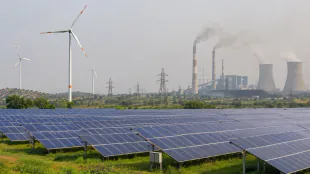 India climbs green-transition ranking after first emissions decline in 25 years
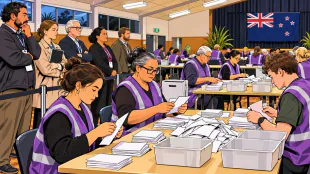
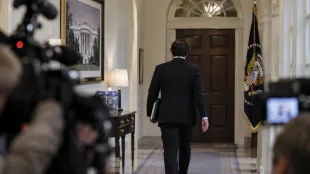 Trump names Stephen Miller as White House chief of staff after midterm losses

 Restored Albanian tower houses anchor new rural tourism trail
 Sonia Gandhi reflects on family tragedy and reluctant political career

 Pope Leo begins three-country South American tour in Uruguay

 Khawaja says entire Australia camp knew of 2018 ball-tampering plan
The United States opened the door Monday to tariffs targeting high-end technology and pharmaceuticals, feeding the uncertainty gripping the global economy in a trade war that Chinese leader Xi Jinping warned can have "no winner."
After weeks of indications such a move was coming, the US Commerce secretary formally announced "national security" investigations into pharmaceutical imports, and another on semiconductors and chip-making equipment.
The specter of a broadening of the tariffs onslaught came as Treasury Secretary Scott Bessent touted momentum in talks with individual countries on reaching trade deals -- but with little detail offered.
On China, he said "there's a big deal to be done" but was notably vague about the timing or chances of it happening. Talks have begun with Vietnam and were to start with Japan on Wednesday, then South Korea next week, Bessent told Bloomberg TV.
Wall Street recovered its footing, with the Dow Jones and the S&P 500 index both closing up a little under one percent. This followed boosts on Asian and European markets.
Investors were relieved at the apparent easing of pressure in President Donald Trump's wide-ranging but often chaotic attempt to reorder the world economy by using tariffs to force manufacturers to relocate to the United States.
Tit-for-tat exchanges have seen US levies imposed on China this year rise to 145 percent, and Beijing setting a retaliatory 125 percent barrier on US imports.
Late Friday, US officials announced exemptions from the latest duties against China and others for a range of high-end tech goods such as smartphones, semiconductors and computers.
But Trump suggested Sunday that the exemption would be only temporary and that he still planned to put barriers up on imported semiconductors and much else.
On Monday, in remarks at the White House, Trump once again pivoted to suggesting possible compromise, saying he was "very flexible" and "looking at something to help some of the car companies" hit by his 25 percent tariff on all auto imports.
"I don't want to hurt anybody," he said.
China's Xi, who kicked off a Southeast Asia tour with a visit to Vietnam, warned Monday that protectionism "will lead nowhere" and a trade war would "produce no winner."
- Short-lived relief? -
Trump initially unveiled huge tariffs on countries around the world on April 2.
He then made an about-face a week later when he said only China would face the heaviest duties, while other countries got a global 10 percent tariff for a 90-day period.
The trade war is raising fears of an economic downturn as the dollar tumbles and investors dump US government bonds, normally considered a safe haven investment.
And the latest wrangling over high-tech products -- an area where China and other East Asian countries are key -- illustrates the uncertainty plaguing investors.
Washington's temporary exemptions will benefit US tech companies such as Nvidia and Apple, which makes iPhones and other premium products in China.
But any relief could be temporary.
The US president said he would announce tariffs rates for semiconductors "over the next week," and Commerce Secretary Howard Lutnick said they would likely be in place "in a month or two."
- Negotiations -
The White House says Trump remains optimistic about securing a trade deal with China, although administration officials have made it clear they expect Beijing to reach out first.
And EU trade chief Maros Sefcovic said "the EU remains constructive and ready for a fair deal," after meeting with Lutnick and US trade envoy Jamieson Greer in Washington.
Sefcovic said this deal could include reciprocity through a "zero-for-zero" tariff offer on industrial goods, but added in a social media post that "achieving this will require a significant joint effort on both sides."
The Trump administration also says that dozens of countries have already opened trade negotiations to secure deals before the 90-day pause ends.
Japanese Economic Revitalization Minister Ryosei Akazawa will visit Washington for negotiations this week, with his country's automakers hit by Trump's 25 percent tariff on the auto sector.
He warned that Japanese company profits are already "being cut day by day."
burs-sms/des
D.AbuRida--SF-PST