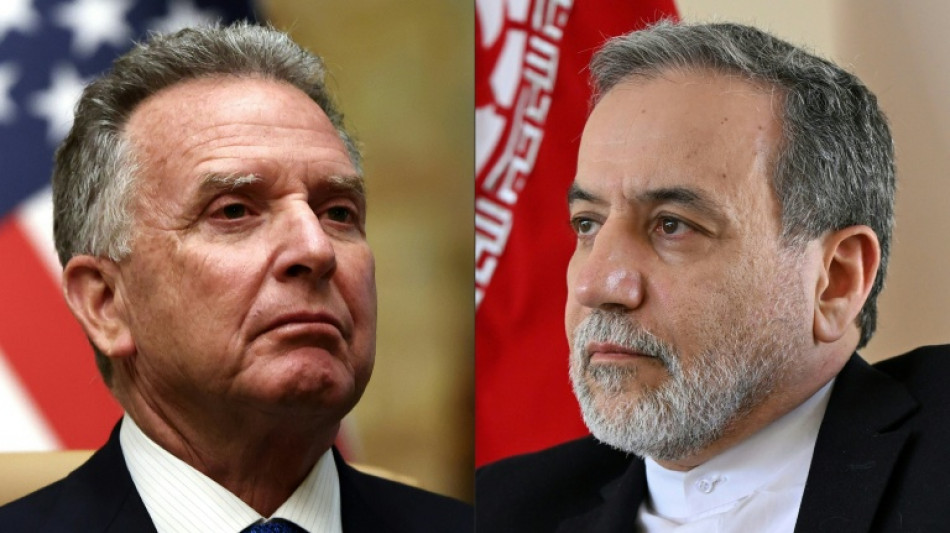
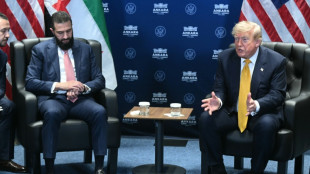
Iran says seeks 'real and fair' deal in nuclear talks with US / Photo: EVELYN HOCKSTEIN, Amer HILABI - POOL/AFP/File

 Democrat accused of rape exits key US Senate race

 Japan student Ito keeps place against Ireland as Jones returns
 Belgium bid to crack Spain's ironclad defence in World Cup quarter-final
 US man sentenced after swapping 17th century manuscript

 US launches new strikes on Iran after Trump vows to hit 'hard'
 Taylor Swift fans pay $25 for garbage from outside wedding
 After quakes, Venezuelans fear losing damaged homes

 PSG's Lee set to join Athletico
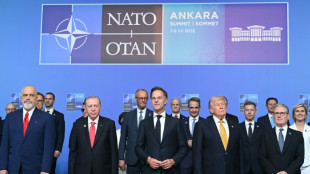 Erdogan gave pistols to NATO leaders, Starmer says
 Nocera Expands Diversified Technology Strategy With Binding Agreement to Acquire an Equity Interest in INERGX, an Integrated Energy Storage and Power Platform for AI, Defense and Mission-Critical Demand
 China sends nuclear missile message as US looks elsewhere
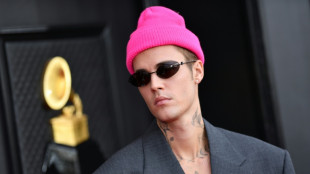 Justin Bieber added to 11-minute World Cup final halftime show
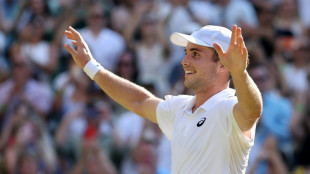 Fery targets Wimbledon final birthday present after royal seal of approval
 Egypt file complaint against referee after World Cup exit
 Women's semi-finalists in uncharted territory at Wimbledon
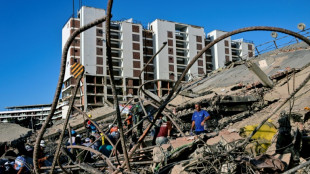
 US man jailed after swapping 17th century manuscript
 UN maritime head urges halt to Hormuz transit to protect seafarers
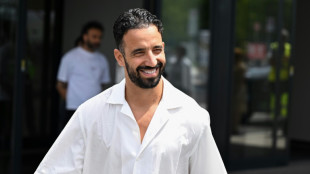
 Trump skips new Air Force One on return from Turkey NATO summit

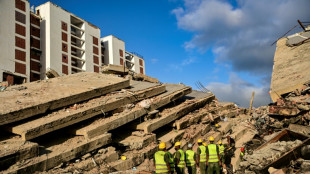
 New York building that buckled now 'stable,' says mayor
 UN says pledges for global connectivity project pass $100 bn

 McIlroy hoping for 'home' comforts at Scottish, British Opens
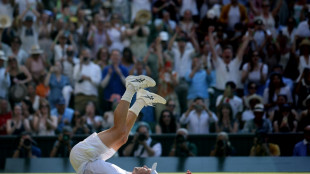
 Noskova aims to emulate Kvitova after reaching first Wimbledon semi

 Britain's Fery becomes first wildcard to reach Wimbledon semis in 25 years

 Korda chases third major as Kim revisits Evian-winning chip

 Kooij wins Tour de France 5th stage in chaotic sprint finish

Iran is seeking a "real and fair" agreement with the United States on its nuclear programme, a senior aide to supreme leader Ayatollah Ali Khamenei said Friday, setting the stage for a diplomatic showdown this weekend in Oman.
Longtime adversaries Iran and the US are set to hold talks on Saturday in Muscat, aimed at reaching a potential nuclear deal. US President Donald Trump last month sent a letter to Khamenei urging negotiations and warning of possible military action if Tehran refuses.
"Far from putting up a show and merely talking in front of the cameras, Tehran is seeking a real and fair agreement, important and implementable proposals are ready," Khamenei adviser Ali Shamkhani said in a post on X.
He said Foreign Minister Abbas Araghchi was heading to Oman "with full authority for indirect negotiations with America," adding that if Washington showed honesty and a genuine will to reach a deal, the path forward would be "clear and smooth."
In the lead-up to Saturday's talks, both sides have engaged in a war of words that saw Trump threaten military action if the discussions fail.
Responding to Trump's threat, Shamkhani said Iran could expel United Nations nuclear inspectors, prompting in turn a US warning that such action would be an "escalation".
On Friday, foreign ministry spokesman Esmaeil Baqaei said Iran was "giving diplomacy a genuine chance in good faith and full vigilance."
"America should appreciate this decision, which was made despite their hostile rhetoric," Baqaei said in a post on X.
- Threats -
Tehran responded later to Trump's letter, saying it was open to indirect negotiations and dismissed the possibility of direct talks as long as the United States maintains its "maximum pressure" policy.
Trump said the talks would be "direct" but Iran has insisted they would be "indirect".
Araghchi and US special envoy Steve Witkoff are due to lead the talks in Oman.
Ahead of the planned talks, Washington imposed additional sanctions on Iran targeting its oil network and nuclear programme.
The talks will be held as Iran reels from significant setbacks suffered by its regional allies -- including Palestinian Hamas militants and Hezbollah in Lebanon -- in conflicts with Israel since the outbreak of the Gaza war in October 2023.
The war saw rare direct attacks between Iran and Israel for the first time, after engaging in a shadow war for years.
On Wednesday, Trump said military action against Iran was "absolutely" possible if talks failed to produce a deal.
"If it requires military, we're going to have military. Israel will obviously be very much involved in that, be the leader of that," Trump said.
Shamkhani later warned such threats could prompt measures including the expulsion of UN nuclear watchdog inspectors from Iran and consideration of the transfer of "enriched materials to secure locations," referring to the country's uranium enrichment.
Washington responded by saying the threat was "inconsistent with Iran's claims of a peaceful nuclear programme" and that expelling UN nuclear inspectors would be "an escalation and a miscalculation on Iran's part."
Iran has consistently denied seeking to acquire nuclear weapons.
- Cautious approach -
Ahead of the talks, hardline media in Iran voiced scepticism.
The Kayhan newspaper ran editorials warning the new US sanctions showed that Washington was "an enemy of Iran and its people," and dismissing negotiations to lift sanctions as a "failed strategy."
In contrast, several reformist media outlets struck a more optimistic tone, emphasising the potential economic and investment opportunities the talks could create.
Tehran has long been wary about engaging in talks with Washington, often citing previous experience and undermined trust.
During his first term, Trump unilaterally withdrew from a landmark 2015 nuclear deal between Iran and world powers and reimposed sweeping economic sanctions.
Tehran adhered to the 2015 deal for a year after Washington withdrew but later began rolling back its own commitments.
In its latest quarterly report in February, the UN's nuclear watchdog, the IAEA, said Iran had an estimated 274.8 kilograms (605 pounds) of uranium enriched to up to 60 percent. Weapons grade is around 90 percent.
Iran has also increased the number of centrifuges.
Baqaei said Iran will "neither prejudge nor predict" ahead of Saturday's meeting in Oman, a long-established venue for Iranian talks.
"We intend to assess the intentions and seriousness of the other side on Saturday and adjust our next moves accordingly," said Baqaei.
Z.Ramadan--SF-PST