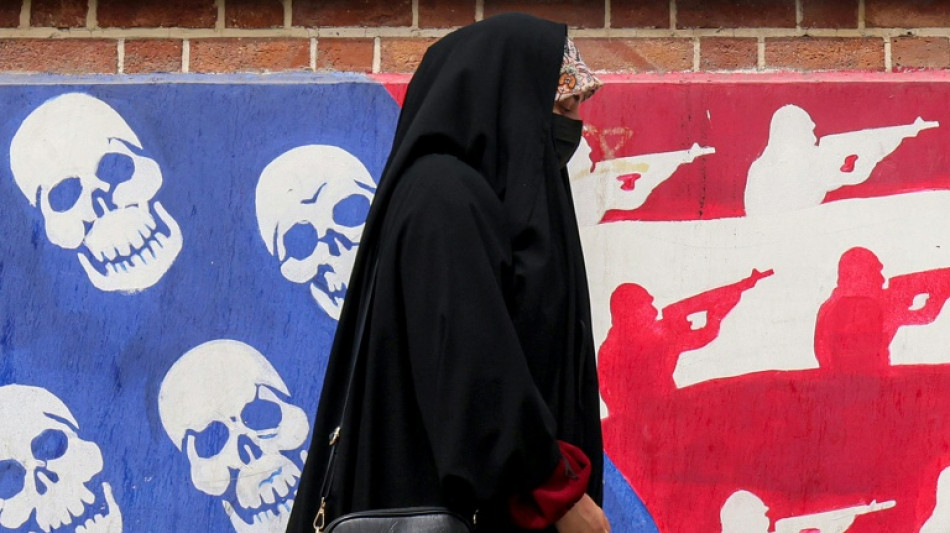
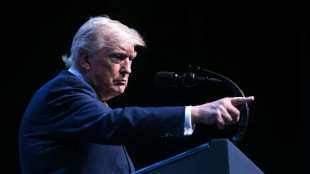
Talks with Trump a necessity for sanctions-hit Iran / Photo: ATTA KENARE - AFP

 US, Iran trade new strikes in fight over Hormuz strait

 Modi eyes 'historic' chance to secure Australian uranium
 US crackdown on top AI fuels open-source surge
 EU moves closer to kicking kids off social media
 Protecting the protectors: racing to save Philippine mangroves
 Expanded World Cup; same old story as Europe dominates quarter-finals
 Morocco's Saibari out of France World Cup quarter-final
 Trump orders new strikes on Iran over attacks on shipping in Hormuz
 PSG's Lee set to join Atletico Madrid
 Iran plays with fire, but calculates Trump will hold back
 Oil surges, stocks slide as Trump says Iran ceasefire over
 Meta to build $9 billion data center in western Canada
 Rogers backs Kane to outshine Haaland in World Cup showdown
 Some US Fed officials considered June rate hike on war fallout

 UN launches appeal for nearly $300 mn in Venezuela quake relief
 US to remove Syria from terror blacklist, in new boost to Sharaa
 Court rejects Trump request to restore his name to Kennedy Center
 MLB pitching great Verlander to retire after 2026 season
 Artificial cloud brightening could tame El Nino, but with risks: study
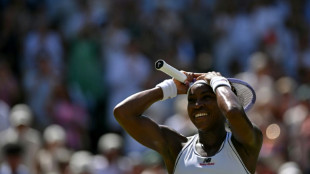
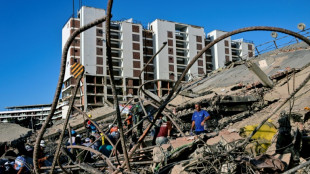 Shocked and shaken, Venezuela quake survivors get psychological help
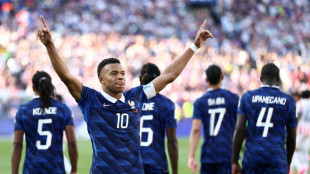 France, Morocco kick off blockbuster World Cup quarter-finals
 Amorim hails 'ambitious' AC Milan, promises to learn Italian
 Cancer survivor Traeen takes the long road to Tour yellow
 Easing Russian Olympic restrictions 'terrible', says Wimbledon star Kostyuk
 'Unbelievable' Kooij wins Tour de France 5th stage in chaotic sprint finish
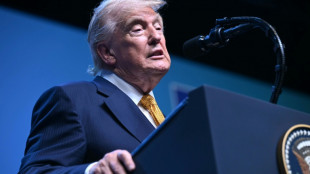
US President Donald Trump appeared to catch Tehran off guard on Monday when he announced "direct talks" between the arch-foes over Iran's nuclear programme, having previously threatened to bomb the Islamic republic.
Despite previously having expressed major reservations over the talks, Tehran has agreed to participate but through an intermediary.
- What does Iran want? -
The priority for the Islamic republic is the lifting of biting sanctions that have placed a stranglehold on the energy-rich country's economy for decades.
In 2015, a landmark deal was reached between Iran and major powers including the United States, offering sanctions relief in exchange for curbs on Iran's nuclear programme.
The deal, known as the Joint Comprehensive Plan of Action (JPCOA), also provided for the eventual return of Western investments into Iran.
At the time, Iranians were hopeful that the deal would reflect in improvements in their economic conditions and end their country's isolation.
But that hope was short lived as in 2018, during Trump's first term in office, Washington unilaterally pulled out of the deal and reinstated sanctions.
Ever since, the value of the Iranian rial has plummeted against the dollar, fuelling high inflation and unemployment and leaving much of the population impoverished.
"If Iran manages to break the chains of the sanctions, it can achieve a considerable economic resurgence," economist Fayyaz Zahed told AFP.
In addition to some of the highest oil and gas reserves in the world, Iran also enjoys unique geography and has great potential to build its tourism industry and develop infrastructure.
Its 86 million people also represent a large untapped market, a predominantly young and educated urbanised population with an average age of just 32.
- Why talk now? -
Alongside its economic challenges, Iran has been dealt major blows through the weakening of its network of proxies in the region in the aftermath of the Gaza war that began in October 2023.
Lebanese group Hezbollah -- a key bulwark in Iran's so-called axis of resistance against Israel and the United States -- emerged massively weakened from a war last year with Israel, having lost much of its leadership structure.
In Syria, a Sunni Islamist-led offensive toppled Tehran's longtime ally Bashar al-Assad in December, and the Iran-backed Huthi rebels in Yemen have been under heavy US bombardment in recent weeks.
"Iran no longer has any effective cards and is suffering the consequences" of upheavals in the region, Zahed said.
Iran and Israel exchanged direct strikes twice last year for the first time in their history.
- What is Iran's strategy? -
"Iran is prepared to accept the same technical conditions" that were in place for the 2015 deal, Zahed said.
Tehran has long maintained its right to develop its nuclear capabilities for civil purposes, particularly energy.
Western governments however accuse Iran of seeking to develop a weaponss capability, an ambition it vigorously denies.
"On the other hand, the country will show no flexibility regarding its missiles," Zahed warned.
The Trump administration argued that its withdrawal from the JPCOA in 2018 was motivated by the absence of controls for Iran's ballistic missile programme, viewed as a threat by Washington and its ally Israel.
In February, supreme leader Ayatollah Ali Khamenei vowed there would be "no negotiations" with the Trump administration, pointing to previous deals with US leaders that were not honoured.
In March, Trump sent a letter to the Iranian leader, calling for talks but also threatening to bomb Iran in the event that diplomacy failed.
Iran responded that it would not negotiate under pressure.
Trump's announcement that "direct" talks would take place in Oman on Saturday appeared to take Iran by surprise.
Foreign Minister Abbas Araghchi only confirmed the talks in a post on X in the middle of the night, however insisting that Iran would not speak directly with the Americans.
According to US news website Axios, Trump has given Iran two months to reach a deal.
Trump "broke the nuclear deal once", wrote reformist Hossein Nouraninejad in the government daily Iran, adding that "there are many historical differences between the two countries", which have not had diplomatic relations since 1980.
However, direct talks between Trump and Khamenei seem "more likely than war", wrote Ali Shakourirad, a politician close to Iranian President Masoud Pezeshkian, in the newspaper Etemad.
Q.Najjar--SF-PST