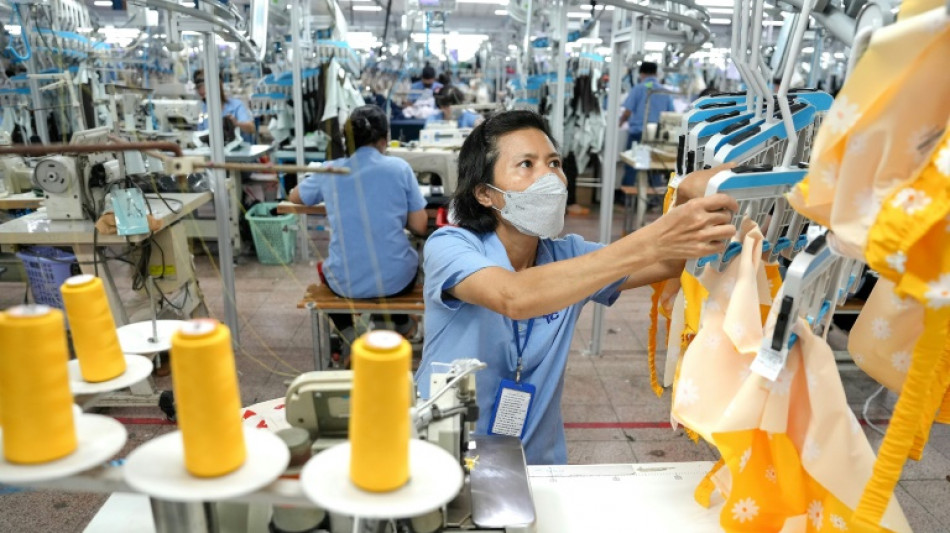
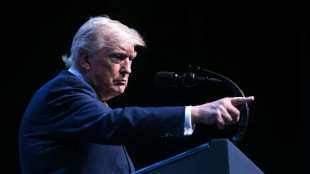
Trump tariffs spark fears for Asian jobs, exporting sectors / Photo: Huu Kha - AFP

 Crude stabilises after US-Iran flare-up rocked peace hopes

 Playmaker Jalibert moves to fullback as France swing axe for Australia clash
 Australian sprint star Gout out of U20 worlds with hamstring tear

 Unions to protest as Volkswagen thrashes out job cut plans

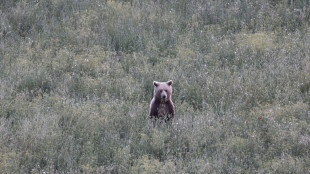 Teeth bared in Greece's bear-human showdown
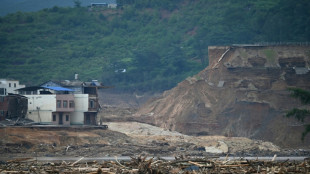 Alpacas, mini pigs on the loose after floods hit south China zoo
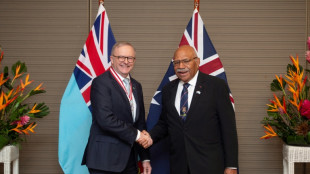
 All Blacks make five changes for Italy Nations Championship clash

 Western Europe records its hottest June as heatwaves surge: EU monitor
 Fashion's mystery man Margiela sells off his archives
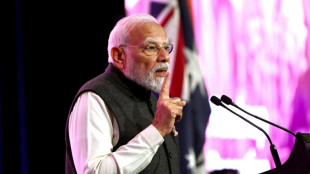
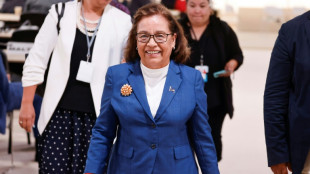 Nuclear test-scarred Marshall Islands criticises China missile

 Chip titan SK hynix to set price for mega US listing

 Crude extends rally as US-Iran flare-up rocks peace hopes
 Democrat accused of rape exits key US Senate race

 Japan student Ito keeps place against Ireland as Jones returns

 Belgium bid to crack Spain's ironclad defence in World Cup quarter-final
 US man sentenced after swapping 17th century manuscript

 US launches new strikes on Iran after Trump vows to hit 'hard'
 Taylor Swift fans pay $25 for garbage from outside wedding
 After quakes, Venezuelans fear losing damaged homes

 PSG's Lee set to join Athletico

 Erdogan gave pistols to NATO leaders, Starmer says
 Nocera Expands Diversified Technology Strategy With Binding Agreement to Acquire an Equity Interest in INERGX, an Integrated Energy Storage and Power Platform for AI, Defense and Mission-Critical Demand
 China sends nuclear missile message as US looks elsewhere
 Justin Bieber added to 11-minute World Cup final halftime show
 Fery targets Wimbledon final birthday present after royal seal of approval

Across Asia, factory workers, directors, trade associations and analysts voiced concern Thursday that US President Donald Trump's stinging tariffs could put jobs at risk and hammer key sectors of industry.
Trump ramped up a global trade war as he imposed sweeping levies on imports into the United States on Wednesday, sparking worries about what the implications might mean for workers and businesses.
"I can't eat or sleep well because I keep worrying about losing my job," said Cao Thi Dieu, who helps make shoes for Western brands such as Nike and Adidas at a factory in Ho Chi Minh City.
Vietnam was hammered with huge tariffs of 46 percent as part of Trump's global trade blitz, which sent shares tumbling more than seven percent in Hanoi on Thursday.
Dieu, 38, feared the tariffs would impact the job she has been doing for two decades.
"How will I manage if I lose my job? How will I continue earning money each month to take care of my two children’s education?" she said.
"I only want to stay in the shoe manufacturing job because I don't know how to do other work."
Erik Hon, 45, a director at a financial technology firm in Singapore, thought the tariffs would drive up global inflation.
"It is dangerous for everyone to have the most powerful country in the world going back to isolationism and trying to tame (a) China that is inevitably going to take over its world leadership position," he added.
Alicia Garcia-Herrero, chief economist for Asia Pacific at investment managers Natixis in Hong Kong, warned the tariffs could backfire.
"The largest loser is the US, because everybody's being taxed so there's no escape for higher inflation," she said.
- 'Worst-case scenario' -
Chrissy Chan, 48, a business owner in Malaysia, told AFP she was worried it would cost her more to travel to the United States to visit her family.
But she said the tariff rates "do not make sense to me... I won't be surprised if the Trump admin does another backpedal".
Chin Chee Seong, president of the SME (small and medium enterprises) Association of Malaysia said the higher tariffs on other countries might give Malaysian firms a competitive advantage.
However, "we import a lot of IT products from the US", he told AFP.
"If we impose a reciprocal tariff, the end user here will pay more. We will suffer. It works both ways."
Taiwan had sought to avoid Trump's levies by pledging increased investment in the United States, more purchases of US energy, and greater defence spending.
But Trump unleashed a hefty 32 percent levy on Taiwanese imports, and while the island's all-important semiconductor shipments were excluded, Taipei described the move as "unfair".
"The 32 percent really came as a surprise and I think our government was caught off guard," said Jason Hsu, senior fellow at the Hudson Institute think-tank and a former legislator in Taiwan for the opposition Kuomintang party.
"The implications are actually pretty big. I think the government has to think deeply about how to deal with Trump in the next four years with a completely new mindset."
Andrew Kam Jia Yi, an associate professor at the National University of Malaysia, expected Taiwan to lobby for more exemptions.
Trump "gives you the worst-case scenario then batters you down to a deal that you might not want but seems more reasonable than the original threat", he said.
burs-rjm/dan
B.Mahmoud--SF-PST