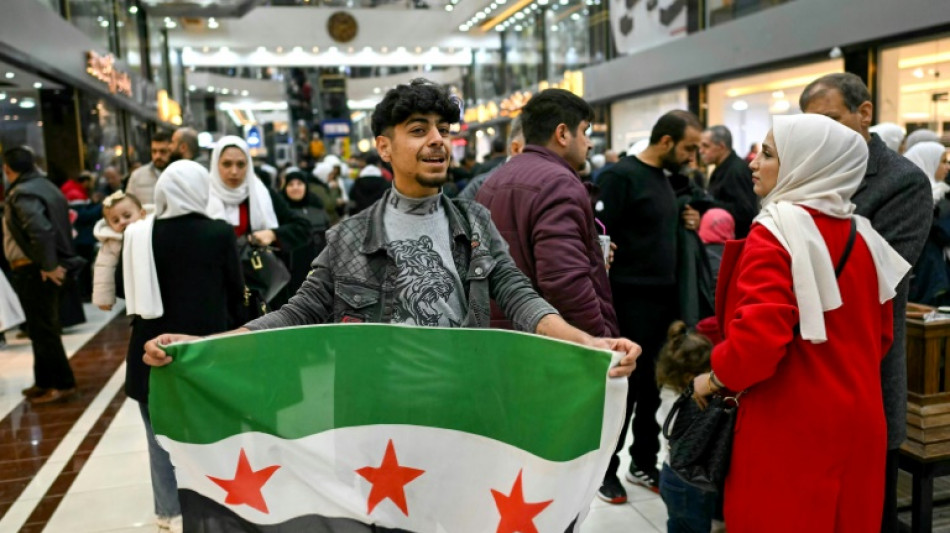
Shopping spree in Syria's former rebel heartland / Photo: OZAN KOSE - AFP

 In-form Fernandez included in Spain Nations League squad
 Arteta buries hatchet with Hurzeler ahead of Brighton clash
 Alexander-Arnold and Palmer return to England squad for Nations League
 Russians vote as Ukraine war drags on for fifth year

 Backpackers fret over Australian visa crackdown
 Most Asian stocks track Wall St rally, yen drops after BoJ rate hike
 Russians begin voting in controlled election as war drags on
 Trump 'clearly' wants dialogue with Pyongyang: South Korean President

 Bank of Japan hikes rates to 31-year high to battle inflation
 Thailand's Muslim separatists vow to fight to the end

 Mideast turmoil, AI set to dominate UN gathering of world leaders

 Australia to detain tourists who overstay visa, minister says

 Championship rivals brace for renewal of bitter feuds
 In Brazil's Amazon, the hunt for oil fuels hopes and fears
 Australian athlete who soiled herself apologises for continuing Hyrox race

 Baby orangutans in India expose 'frightening' scale of trafficking
 Doom Loop? Ed Sheeran struggles against Gaza tide
 Sudanese women hold fast to threatened henna body art

 Man Utd misery puts Carrick under pressure, Spurs feeling the heat
 Prized Mexican relic returns on loan, two centuries on
 Venezuela unblocks some censored news sites

 Samba stars on debut in Man City rout of Norwich
 Oversight Board blasts 'inadequate' Meta safeguards for AI deepfakes

 The Easter Island origins of buzzy Malkovich drama 'Wild Horse Nine'

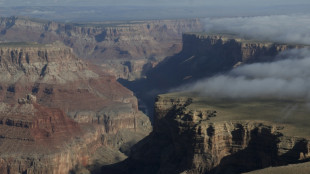 Third body recovered after Grand Canyon flash flood

Crowds of visitors wander brilliantly lit shopping aisles, stunned by the abundance of goods on offer in the heart of the former rebel stronghold in northwest Syria.
Dana, near Sarmada in Idlib province, is less than 40 kilometres (25 miles) east of second city Aleppo, but had been cut off from the rest of the country until the fall of president Bashar al-Assad less than a week ago.
It is a major shopping centre because of its proximity to the border with Turkey.
You can pay for your purchases in Turkish lira or in US dollars, and all the big names are available, brought in from Syria's powerful neighbour.
Everything from clothes to electrical goods to furniture is on display in main street stores and four shopping malls with gleaming windows.
"It's a long time since I have seen so many things," said 54-year-old mother Aisha Darkalt, visiting from Aleppo with her family.
"The kids, they don't know where to look... It's hard to imagine all this was so close. We never left Aleppo any more."
Aleppo, the first city to be taken by the rebels in their lightning offensive that ended decades of rule by the Assad clan, still has just three hours of electricity a day.
But bright lights, pink fabric flowers and flashy garlands adorn the shopping malls of nearby Dana after 13 years of deprivation in the rest of the country, which has been ravaged by a civil war that broke out in 2011.
- Close to Turkey -
The Sarmada region was relatively well off while Aleppo and much of the rest of Syria was engulfed in conflict and poverty under Assad rule, squeezed for taxes and rife with corruption.
Unlike Idlib, the rebel "capital" that was subject to Russian bombardment until the start of the month, Sarmada was generally spared because it is so close to neighbouring Turkey.
In 2021, the Carnegie Middle East Center said the region's prosperity dated to the outbreak of the war in 2011 and the rupture between Damascus and Ankara, when Assad stopped the importation of goods from Turkey.
Local businessmen were well used to cross-border dealings, and benefited from an influx of displaced people into an area where just 15,000 inhabitants lived previously.
A flourishing commercial hub was born, one that the Islamists of the Hayat Tahrir al-Sham (HTS) rebel group was careful not to oppose.
But it still remained out of bounds to the rest of the country -- until now. In recent days, people have been flocking to the area to shop, arriving from Aleppo, Hama, Homs and even the capital Damascus.
Maher al-Ahmad, 42, runs a store selling household goods and carpets.
"People are surprised," he said amid a shopping frenzy worthy of sales time at department stores in the West.
"They thought we lived in a dangerous place full of criminals, and then they come here! We have electricity, we have everything they need."
- Return to normal -
Imad Fares, 40, has lived in Dana for the past three years after leaving his home town of Maaret al-Numan, which was devastated by the conflict.
"The people from Aleppo look miserable and tired. You can tell from their faces that they lived in a prison," he said.
"They're shocked at how we live here."
It is the beginning of a return to normal.
Ahmad loaded two flat-screen televisions and toys he had bought into the boot of his ancient car.
"You can find anything," the 42-year-old said.
"But the most important thing is knowing you can get back home without being robbed by Assad's people on the way."
His vehicle was a stark contrast to the shiny new cars and SUVs with Idlib plates that popped up in the streets of Aleppo this week.
Because bringing cars in from Turkey was banned, Syrians often pushed their own ageing vehicles to the limit.
A doctor from Aleppo said he got his car in 2013, and 11 years later it was still considered new.
"A week ago I got $50,000 for it," he said. "But now you can buy a new one in Sarmada, it wouldn't be worth more than $8,000."
He looked on at friends who had come to do their shopping in the former rebel bastion, where prices were up to three times lower than in the city.
"We just didn't understand that we were the unfortunate ones," he laughed.
G.AbuHamad--SF-PST