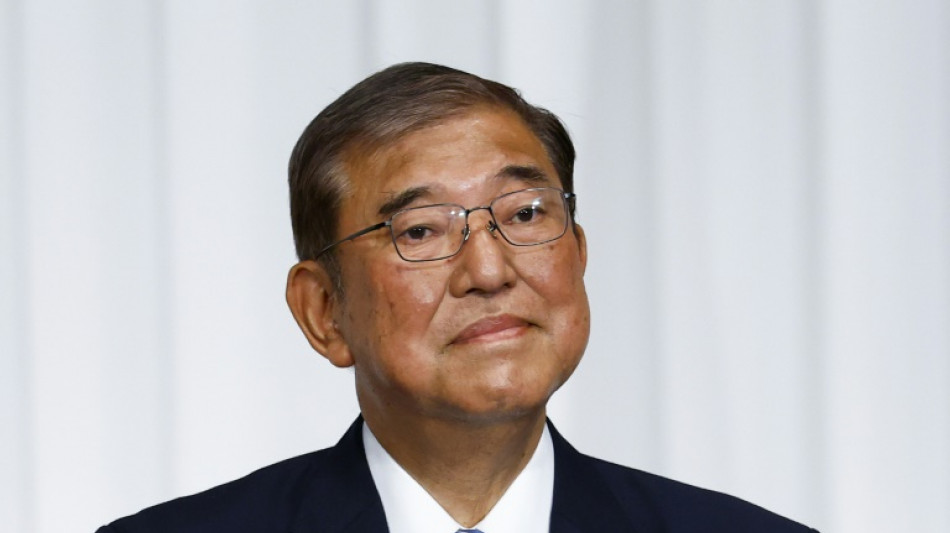
Japan PM set to form minority government / Photo: Kim Kyung-Hoon - POOL/AFP/File

 Man City outgun Sunderland despite Brobbey hat-trick, Liverpool win at Bournemouth

 Top US, Chinese economic officials meet ahead of Trump-Xi summit

 Erdogan's LGBTQ crackdown 'first step of election campaign': activist

 Mass drone barrage on Moscow kills two

 82-year-old dies after beach fight in Greece over sun lounger

 US warns of rapid escalation in Mideast war

 Iran 'put hearts on the court' to win Asian Games basketball bronze

 School girl Yu helps China dominate in Asian Games swimming openers

 Drones hit Moscow as Russians go to the polls

 New England boss Fleming says 'wrong' to ask Stokes to end retirement

 تقرير حول منصّة شرطة دبي بـ«سوق السفر» تستقبل أكثر من 5 آلاف زائر
 تقرير حول إيطاليا: نجهز مهمة بحرية لحماية الملاحة في البحر الأحمر

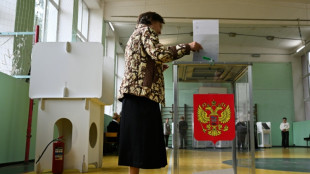 Russians vote on last day of parliamentary elections

 تقرير حول إغلاق باب الترشح لعضوية البرلمان الإماراتي للطفل في فصله التشريعي الثاني

 Hong Kong pays final respects to former city leader Tung
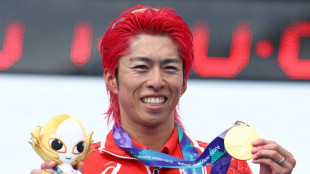
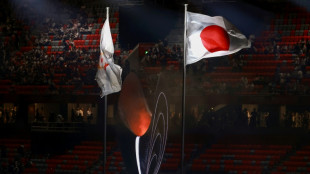 Typhoon put people off Asian Games opening ceremony, official says

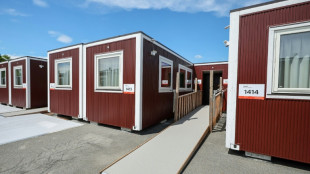 IOC president impressed by 'beautiful' Asian Games wooden huts

 China's 13-year-old Yu cruises as Asian Games swimming begins

 AI 'warning shots' focus Beijing on national security risks

 Data centre command hub keeps AI up and running

 Philippine tribe in limbo over US-led tech hub

 Leo XIV, first US pope transcends his restrained style
 Singer Ed Sheeran says Gaza situation 'unjustifiable' following controversy

 In 'Tenzing', a Sherpa mountaineer gets his due
 حصيلة سيدات القادسية يكتسحن الترجي بـ14 هدفاً نظيفاً في الدوري الممتاز

Japan's Prime Minister Shigeru Ishiba faces a parliament vote on Monday that is expected to keep him in the job, but with a fragile grip on power after a disastrous general election.
Ishiba, 67, took office in early October and called a snap election which he hoped would shore up his mandate as leader of the ruling Liberal Democratic Party (LDP).
Instead, voters unhappy with inflation and a slush fund scandal that helped sink his predecessor Fumio Kishida delivered the party its worst result since 2009, which could cause political gridlock in a hung parliament.
While the conservative LDP and its junior coalition party lost their majority in the general election, they remain the largest bloc in parliament's powerful lower house.
With Japan's opposition parties deeply divided on many key issues, Ishiba is expected to lead a minority government from Monday when lawmakers convene for a special four-day session to nominate the prime minister.
To have enough sway to pass legislation going forward, the ruling bloc has asked for help from the Democratic Party for the People (DPP) -- a small centrist group that has agreed to cooperate on a vote-by-vote basis while staying out of the coalition.
In talks with the LDP, the DPP has demanded tax cuts and energy subsidies that economists say would significantly reduce the government's tax revenues.
In a twist, DPP head Yuichiro Tamaki on Monday admitted to an extra-marital affair reported by a tabloid and said he would discuss his leadership position with his colleagues.
"I apologise for causing such a disturbance," he told reporters, adding that the party would discuss its voting plan ahead of the parliament assembly on Monday afternoon.
- Tough road ahead -
"In order to stay in power, Ishiba needs to pass the government budget this winter. It will mean the LDP will have to concede some of its policies to seek cooperation from others," Tomoaki Iwai, professor emeritus at Nihon University, told AFP.
On the diplomatic front, Donald Trump's US election victory could complicate matters for former defence minister Ishiba.
Risks include potential new trade tariffs and demands for more defence spending by Tokyo which has relied on the United States for military hardware for decades.
Along with these delicate negotiations, Ishiba must also contend with bitter discontent within his party, which lost dozens of seats -- including ministers -- in the October 27 election.
"Unless he improves his public support, those inside the LDP may start saying they cannot fight the upper house election under Ishiba" and look for another leader, Iwai added. The public votes in the upper house election in July.
Approval ratings for Ishiba's government are just above 30 percent, but polls show a majority of the public say he should remain prime minister.
Ishiba faces a tough road ahead with both Washington and domestic lawmakers seen likely to press him for higher public spending and tax cuts at the same time, analysts said.
Experts have voiced worries that Trump, without consulting Asian allies, may make deals with China.
Possible fresh US tariffs on Chinese and Japanese goods may fuel inflation, while the Trump administration may demand Japan to expand its defence spending or push Japanese firms to expand their factories in the US.
That should pressure Ishiba to expand the government's spending, while opposition lawmakers tell him to cut taxes, Hideo Kumano, chief economist at Dai-ichi Life Research Institute, wrote in a note.
"It must be Mr. Ishiba who is feeling the toughest headache of Mr. Trump's victory," Kumano wrote.
K.Hassan--SF-PST