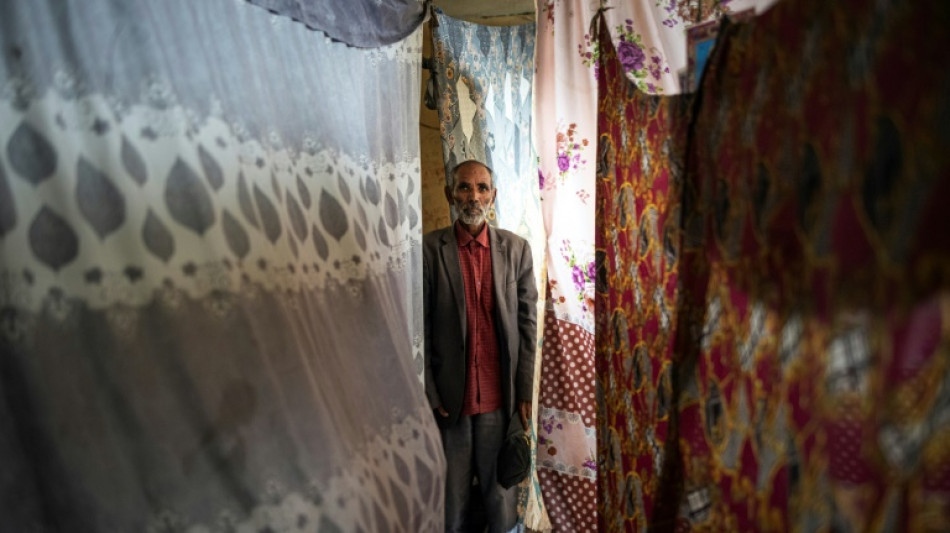
'Waiting for death': desperate plight of Tigray's war displaced / Photo: Michele Spatari - AFP

 English, Spanish, Italian, German football leagues call for FIFA reform

 سهم ميتا يقفز 3.5% وقيمتها السوقية تقترب من تريليوني دولار

 عودة التوتر في تيغراي تضاعف الضغوط المعيشية في إثيوبيا

 موسكو تواصل عملياتها في أوكرانيا وتدرس حضور بوتين قمة العشرين

 دول اتفاقية مكة تبحث اجتماعاً عاجلاً لرؤساء الأركان

 هويدي: استمرار القتل في غزة يكشف غياب المساءلة رغم وقف النار

 اقتحامات واعتقالات إسرائيلية تطاول مناطق في الضفة والقدس

 قصف إسرائيلي يصيب فلسطينيين مع استمرار خروقات وقف النار بغزة

 صندوق مصر للاستثمار الصناعي يوسع دعم الإنتاج والتصدير

 صحة غزة: التحويلات الطبية مجانية وتحذير من محاولات الاحتيال

 «بي بي» ترصد 700 مليون دولار لحفر أربع آبار في مصر

 Ireland's Gaza stance spills from Eurovision into football
 Welcome aboard the Costa Serena, the Asian Games floating hotel

 Asian markets mixed after recent oil surge
 Cash for nature protection: hotelier's offer to Principe islanders
 US miner KoBold bets on AI to gain edge in DR Congo mineral hunt

 Internet disrupted in Ethiopia as conflict rages

 Asian markets mixed after oil gains

 'Genius' Ohashi bids for third Asian Games gold after world record

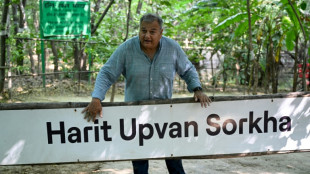 India's 'Tree Father' plants for a greener future
 Hopping mad: New health warning stirs up Belgian brewers
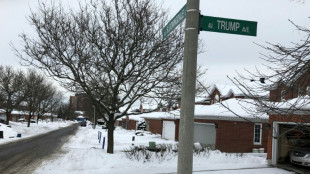 Canadian capital to rename 'Trump Ave'
 Pope heads to France on first state visit in 18 years

 Bacteria suspected in deaths of hundreds of baby whales off Argentina

 US 'must choose' whether to end war: Iran president to Fox News

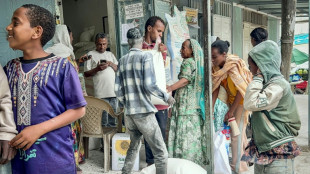
Wolde Meressa lives cheek by jowl in a cramped classroom with 30 other people in a school that has been converted into a shelter for displaced people in Ethiopia's war-scarred region of Tigray.
Around him in his makeshift home in Tigray's capital Mekele is a jumble of pots, clothes and water containers.
"By staying here, we are merely waiting for death," lamented the 78-year-old Wolde, who lives in the shelter with his wife and several of their children.
He is one of more than a million people driven from their homes during the brutal Tigray conflict whose fate is still in limbo even though the guns fell silent almost two years ago.
The internally displaced people (IDPs) live a life of despair and uncertainty, often cold and hungry, in makeshift camps or converted schools across the region, scene of one of the deadliest wars of the 21st century.
"We are on the verge of death, praying to God to take us back to our homes," said Wolde.
An estimated 600,000 people were killed during the two-year war between Ethiopian government forces and Tigrayan rebel authorities, and about three million were made homeless.
The UN's humanitarian response agency, OCHA, says there are still 1.1 million people who have not been able to return home despite the signing of a peace deal in November 2022.
- 'No choice but to stay' -
Their situation is becoming more desperate as aid organisations scale back their operations and essential aid is harder to come by, humanitarian workers say.
"I have been in this IDP camp for three years and am now entering my fourth," Tibe Addise told AFP in a sprawling camp run by the International Organization for Migration (IOM) in Shire, about 300 kilometres (186 miles) northwest of Mekele.
"Since arriving, I have struggled to care for my children, suffering cold and hunger daily," the 42-year-old said, a multi-coloured shawl draped over her head and shoulders.
Behind her, lines of washing hung above the dirt paths winding through the tents as people carried sacks of food and children played.
"Many others share my plight, though we have no choice but to stay here."
- 'Left in limbo' -
The IDPs that AFP spoke to were forced from their homes in Western Tigray, a hotly disputed area claimed by both Tigray and the neighbouring Amhara region that remains largely inaccessible to humanitarian agencies.
Rights groups have accused Amhara forces of waging a campaign of ethnic cleansing, war crimes and crimes against humanity in Western Tigray both during the conflict and since the peace deal was signed.
Eritrean troops, Amhara forces and others have yet to fully withdraw from various parts of Tigray, in defiance of the terms of the Cessation of Hostilities Agreement (CoHA).
"According to the peace agreement, we were told that peace had been restored and we would be able to return to our homes," said Surafel Asmelash, coordinator at the Seba Care IDP camp in Mekele, the largest in Tigray.
"However, we have neither returned nor have the aid agencies been given the opportunity to stay. The people have been left in limbo," the 42-year-old said.
Tigray hosts the largest number of IDPs in Ethiopia, where a staggering total of 4.5 million people have been forced from their homes by conflict or climate disasters, according to OCHA.
At another school-turned-IDP camp in Adwa, about 90 kilometres east of Shire, Genet Mengesha said she had not received any humanitarian aid for five or six months.
"They register our names, but then tell us we are not on the list. Only a few people are receiving aid," the 44-year-old said, crouching on the ground as she washed pots in a plastic bowl.
"We are on the brink of despair."
H.Darwish--SF-PST