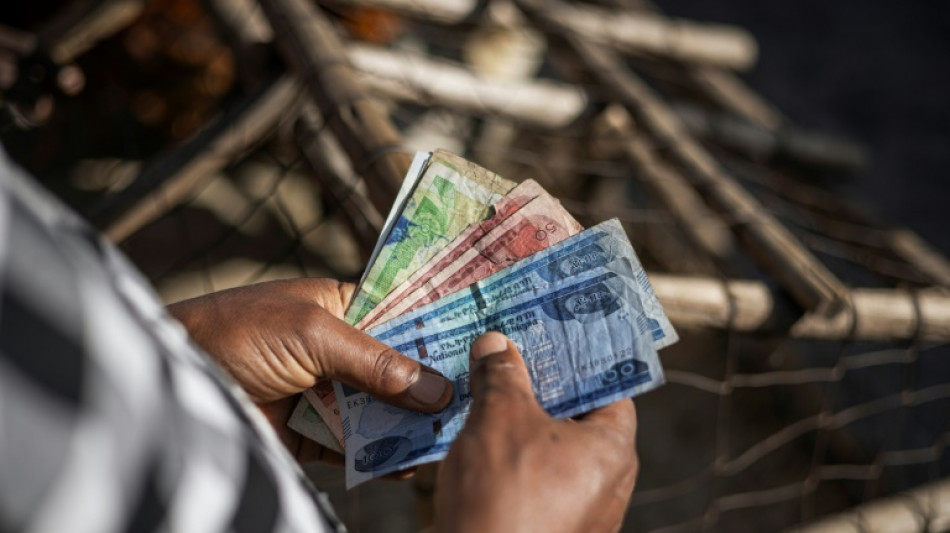
Ethiopia gets IMF relief after easing forex curbs / Photo: Michele Spatari - AFP/File

 Jay-Z rape accuser says she made 'false accusations'

 Senegal draw first match under Vieira and Nigeria survive scare
 Trump, Xi end summit long on pomp, but short on progress

 Russia not preparing for conflict with Europe, Putin says

 Trump's photo of Xi greeting carries signs of AI

 Six missing after building blast in historic Athens district
 Millions in US northeast brace for powerful storm
 Assefa seeks 'better than my best' at Berlin marathon
 US court refuses to overturn Pentagon ban on Anthropic

 Verstappen and Norris blame slow cars as Mercedes tops qualifying

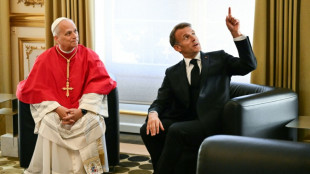
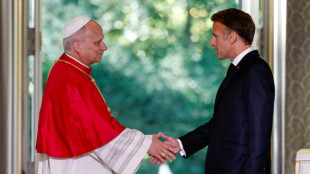
 Crowds cheer pope in Paris after AI 'paradise of machines' warning

 Teen swimmer makes Games history as Thai, Chinese sprinters win gold
 Man City found guilty of 114 Premier League charges - reports

 Concerns over 'missing' UK explorer Ranulph Fiennes

 Suspected Paris killer of Argentine rugby star begs forgiveness
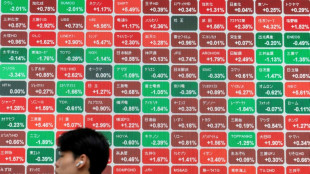 Oil prices fall on cautious hopes for US-Iran progress

 Noskova, Muchova take Czech Republic into BJK Cup final

 Thai sprinter Puripol breaks own Asian Games record to win 100m gold
 Russell takes pole for Azerbaijan GP, Antonelli crashes out
 Williams boss hails Chadwick as F1 inspiration for women
 World No.1 Sinner delays return with China Open withdrawal
 South Lebanon children return to school destroyed by Israel strike

 Jewish group urges Berlin far-left vote winners to tackle antisemitism

 European stock markets climb as oil prices drop

 Trump accuser E. Jean Carroll finally has her damages

Cash-strapped Ethiopia eased foreign exchange curbs on Monday as part of a broad economic reform package as the International Monetary Fund approved a loan to the Horn of Africa nation seeking a multibillion-dollar bailout.
The value of the local currency, the birr, plunged by around 30 percent after the move by the country's central bank.
"The reform introduces a competitive market-based determination of the exchange rate and addresses a long-standing distortion within the Ethiopian economy," the National Bank of Ethiopia (NBE) said in a statement.
Africa's second most populous country is pinning its hopes on a rescue package of at least $10.5 billion from external lenders including the IMF, but negotiations have been long and fraught.
The IMF board on Monday approved a four-year loan programme worth around $3.4 billion to support the reforms, with around $1 billion immediately disbursed.
"This a landmark moment for Ethiopia" and the loan is a testament to the country's "strong commitment to transformative reforms", IMF Managing Director Kristalina Georgieva said in a statement.
Analysts had said the IMF was demanding several reforms of Ethiopia's state-controlled economy, including floating the currency, in order to unlock the funding.
Battered in recent years by several armed conflicts, the Covid pandemic and climate shocks, the country has about $28 billion of external debt and is grappling with sky-high inflation at around 20 percent and a shortage of foreign currency reserves.
Under the shift to a market-based exchange rate regime, the NBE said "banks are henceforth allowed to buy and sell foreign currencies from/to their clients and among themselves at freely negotiated rates".
The central bank would, it said, make "only limited interventions to support the market in its early days and if justified by disorderly market conditions".
- 'Integration with rest of world' -
After the announcement, the leading Commercial Bank of Ethiopia, which is wholly owned by the state, said the US dollar was buying 74.73 birr, compared to 57.48 on Friday.
Ethiopia has a highly active black market for currency trading, with the value of the birr at about half of the previous official rate, which used to be set daily by the NBE.
The central bank also foreshadowed the opening of Ethiopia's securities market to foreign investors, saying details would be disclosed in the near future.
Among other measures, it said it would allow foreign exchange to be retained by exporters and commercial banks to boost supplies to the private sector, and announced the introduction of non-bank foreign exchange bureaus.
The government has also decided to temporarily subsidise some essential imports such as fuel, fertilisers, medicines and edible oils, as well as provide financial support for low-income families and bolster public-service salaries, it said.
"The FX reforms... represent a comprehensive set of measures that will support Ethiopia's current stage of development and its increasing integration with the rest of the world."
- Need 'peace and security' -
When he took office in 2018, Prime Minister Abiy Ahmed pledged to embark on reforms of Ethiopia's closed and state-dominated economy, but progress has been slow.
In a statement on Sunday, Abiy said Ethiopia's reform agenda "will lay the foundation for strong, private sector-led inclusive economic growth and job creation".
He said the economy had registered "robust" economic growth over the past six years, with an average rate of 7.1 percent from 2019 to 2023.
But more than 21 million people, or about 18 percent of Ethiopia's population, rely on humanitarian aid as a result of conflict and climate disasters such as flooding or drought, according to UN figures.
Senior Ethiopian economist Gutu Tesso warned the forex reforms could "exacerbate the economic crisis" by driving up inflation and would not in themselves attract foreign investment which required "ensuring reliable peace and security".
But business analyst Samson Berhane was more optimistic, saying that the "financial cushion" from international lenders would help stabilise the birr and that the gap between the official and black market rates could narrow, while the move could also help exports including mining.
The landlocked country's credit rating was downgraded to a partial default in December by international agency Fitch after it missed a $33 million coupon payment on a Eurobond.
The two-year conflict in the northern Tigray region which ended in November 2022 led to the suspension of numerous development aid programmes and budget assistance.
K.AbuTaha--SF-PST