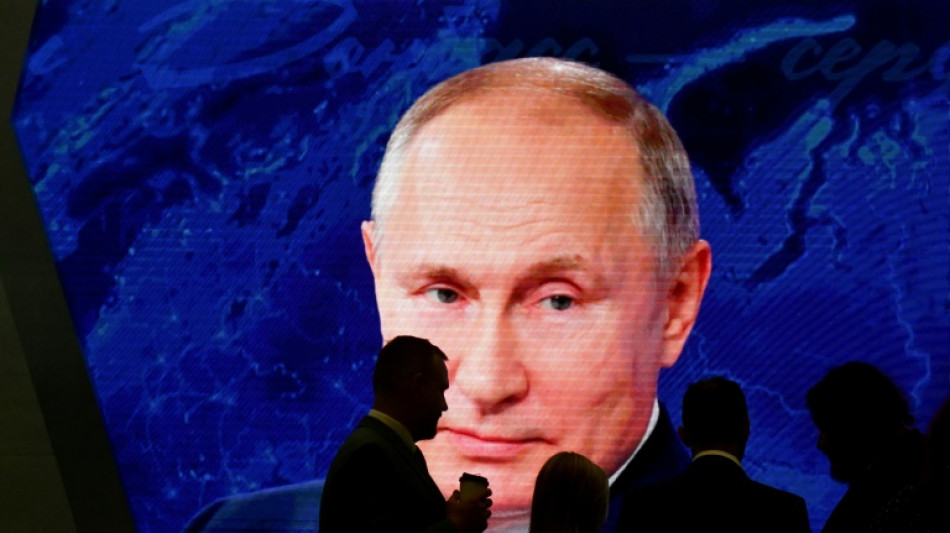
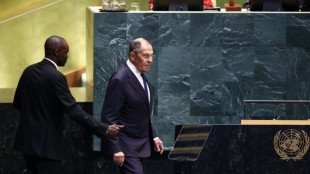
One year after Wagner uprising, Putin more powerful than ever / Photo: Olga MALTSEVA - AFP

 Spain success driven by hunger to improve, says De La Fuente
 Lyon collapse at Stade Francais to suffer first Top 14 loss
 Oyarzabal and Spain sink England again as Modric shines for Croatia
 Housing protesters camp in central Madrid after mass demonstration
 Louise Trotter expands her palette at Bottega Veneta
 Pope prays at Lourdes after huge Paris mass
 USA trims International lead after Presidents Cup four-balls
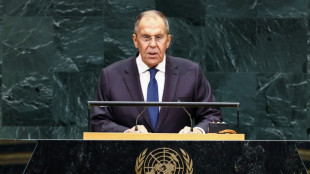 Russia accuses Europe of blocking Ukraine talks, as strikes drag on
 'He said hello': Families pray with pope on Paris avenue
 Pope celebrates giant Paris mass, flies to Lourdes
 Thousands march in Madrid over eviction of 87-year-old woman
 England women back to winning ways with last-gasp defeat of New Zealand
 Trump rejects Iran proposal for deal to reopen Hormuz
 England's Cox says injured Buttler leaves 'big shoes to fill'
 Ruthless Perpignan upset sloppy Bordeaux-Begles
 Deadly abbey attack feeds anti-Ukrainian sentiment in Poland
 Antonelli says he drove 'safety-first' on his worst weekend of season
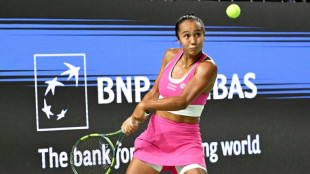 Fernandez fights back to reach Singapore Open final
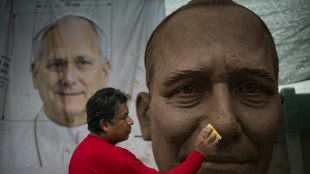 Giant statue of Pope Leo XIV takes shape in Peru workshop
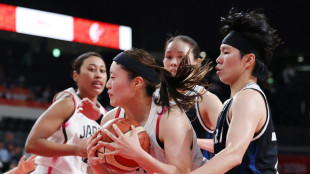
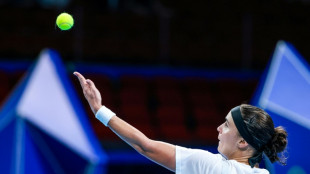 Ukraine crush holders Italy to reach first BJK Cup final

 مصر و«الفطيم» تبحثان مشروعات لوجستية وتوسعات استثمارية
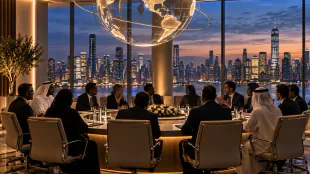
 الإمارات تدعو إلى شراكات دولية تعزز تكامل الأطر القانونية
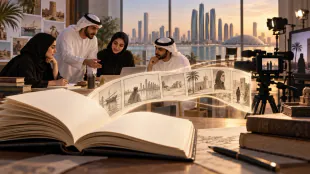
 إطلاق منصة زيادات رؤوس الأموال في مصر خلال أسابيع

 مصر تخطط لإنشاء تسع مناطق استثمارية خلال ثلاثة أعوام
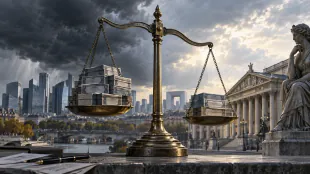
 مبادرة محمد بن راشد الإغاثية لغزة بوصفها صدقة جارية

When Russian paramilitary chief Yevgeny Prigozhin sent his Wagner mercenaries charging towards Moscow last year in a short-lived rebellion, President Vladimir Putin looked weak and vulnerable.
But just one year on from the most serious challenge to his authority in almost a quarter of a century in power, the Kremlin leader now appears more secure than ever.
Prigozhin was killed in an aeroplane crash two months after the mutiny, in which his Wagner fighters seized Russia's army headquarters in the southern city of Rostov-on-Don, shot down military aircraft and marched halfway to the capital before Belarus mediated a deal to end the 24-hour uprising.
And in the aftermath a bruised Putin implemented a new rule: no one would ever be allowed the same level of autonomy again.
"Until Prigozhin's rise, we did not have any cases when the commander of a strong military unit was able to have financial, political and media resources at the same time," Nikolai Petrov, a fellow at the Chatham House international affairs think tank, said, describing the unique position the mercenary boss had acquired ahead of his rebellion.
Putin allowed Prigozhin to have all of those levers, not only because of their close personal relationship but because Russia's ground offensive in Ukraine was losing momentum and he needed Wagner's manpower.
It was a costly error, and one that has made Putin since then prioritise control and loyalty when allocating resources, Petrov said.
Not only is "nobody now unloyal to Putin", but the 71-year-old has sought "direct and constant control over most important players", he said.
The president has ordered sweeping changes to the country's military establishment in recent weeks -- ironically, one of Prigozhin's pre-mutiny demands.
Defence minister Sergei Shoigu was removed and several senior military figures have been arrested on corruption charges.
Putin installed technocratic economist Andrei Belousov as his new defence chief, rather than a military strongman -- again avoiding "any influential leader" who could promote the army's interests at the very top, according to Petrov.
The reshuffle marked a turnaround from a year ago, when Putin backed his defence chiefs in the face of Prigozhin's accusations of rampant corruption, strategic ineptitude and of having botched the Ukraine invasion.
The key difference was Putin had ordered the shake-up out of necessity, not political pressure.
"The fact that he's able to take these steps and challenge the interests and livelihood of senior military figures is a mark of his strength, rather than his weakness," said Nigel Gould-Davies, senior fellow for Russia and Eurasia at the International Institute for Strategic Studies.
- 'Dominance' -
Putin also demonstrated his power with an 87-percent landslide victory in March presidential elections, devoid of any real opposition and panned by international observers.
The vote showed Putin could "concoct anything he wants and force the population to accept it," Gould-Davies said.
"It's an expression of his dominance and power that he can get away with this, rather than the official, published outcome in any way reflecting real support."
Putin's huge claimed majority was also deliberate, Petrov said.
The result was "symbolic": the exaggerated margin of victory was not because Putin "likes to get as many votes as possible", but rather he had to show that his popularity was "much higher than before the war", Petrov told AFP.
Putin's only real political rival, Alexei Navalny, died in an Arctic prison colony in February while serving a 19-year sentence, further cementing his power.
"Taken together with other repressive measures and exemplary prison sentences that have been imposed on other people, he has intimidated and cowed and frightened a large portion of the population now," Gould-Davies said.
This does not mean support for the Kremlin runs deep, he cautioned.
During the 23-24 June 2023 uprising, former president Dmitry Medvedev warned against Russia's nuclear arsenal falling into the hands of "bandits" and other regional officials issued tepid statements urging calm.
But there was no widespread defiance or public outpouring of support for Putin.
Pictures from the southern city of Rostov-on-Don showed residents smiling, cheering and taking selfies with Prigozhin and his Wagner men amid the rebellion.
Both the popular and elite response to the uprising showed there was little authentic enthusiasm for Putin or the war, Gould-Davies said.
"Most people just want to keep their head down, and for the war and regime not to touch them."
Z.AlNajjar--SF-PST